
Bolzano, Alto Adige — January 28, 2026
by Matt Steeves
Leaving Verona under a soft veil of rain, we began the steady drive north, tracing the eastern edge of Lake Garda before the landscape tightened into Alto Adige’s dramatic Alpine corridor. The highway soon threaded its way through a steep mountain valley, the slopes rising sharply on either side — a striking reminder that this is one of Italy’s most vertically defined wine regions.
By the time we passed Trento and pushed onward toward Bolzano, the weather had shifted. Rain turned to snow, and on arrival a fresh white blanket had settled across the vineyards and rooftops. Against Alto Adige’s distinctive red porphyry mountains, the scene was almost cinematic — a study in contrasts that speaks directly to the region’s identity, where geology and altitude shape wines of precision and lift.
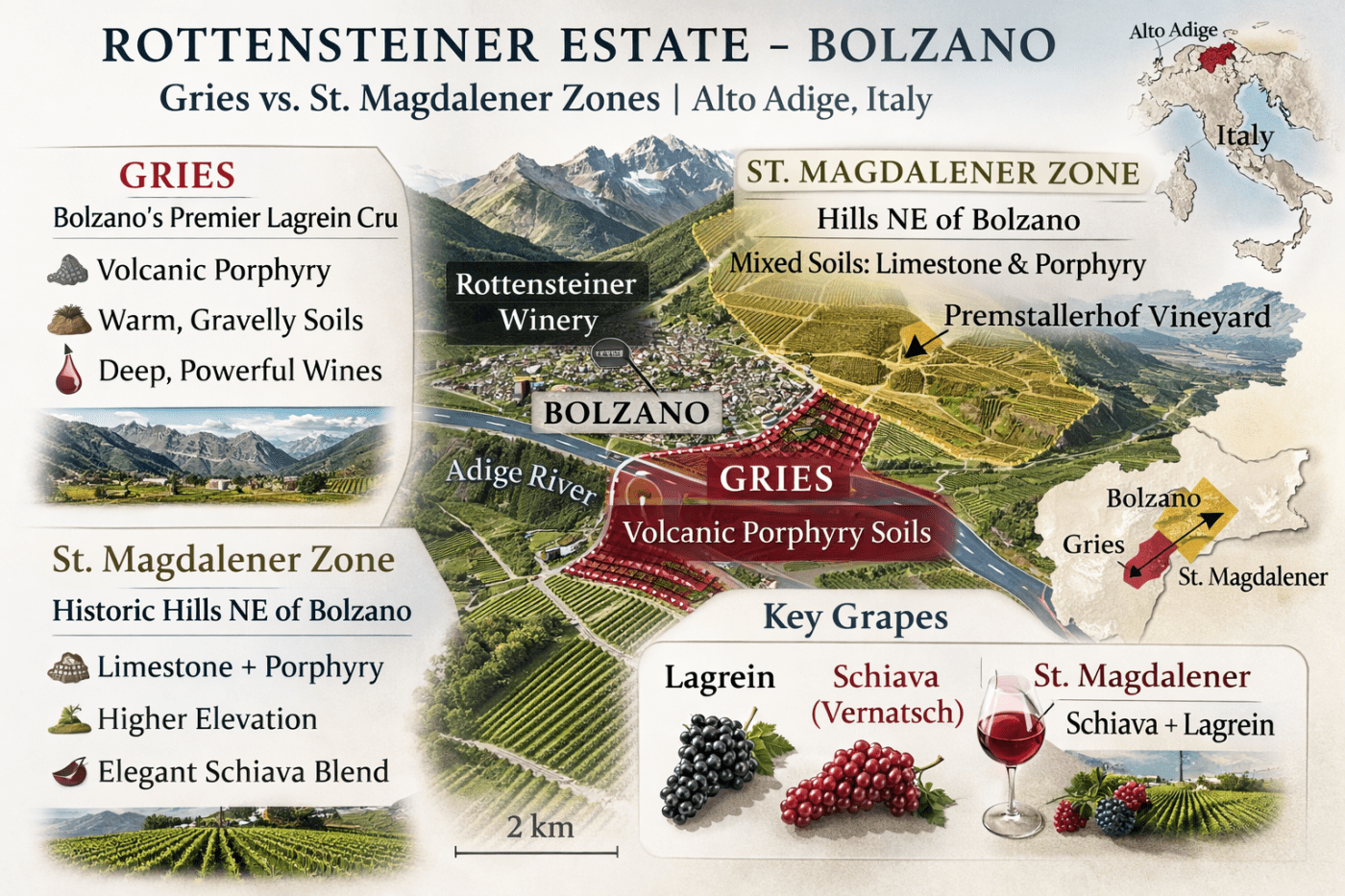
It was in this winter setting that we arrived at Rottensteiner, one of Bolzano’s enduring family estates. The Rottensteiner family’s roots in the area stretch back generations, with the modern winery established in the mid-20th century and today guided by the next generation. Long regarded as a reference point for traditional varieties such as Schiava, St. Magdalener, and Lagrein, the estate has built its reputation not through flash, but through consistency, site fidelity, and deep familiarity with the vineyards that surround the city.
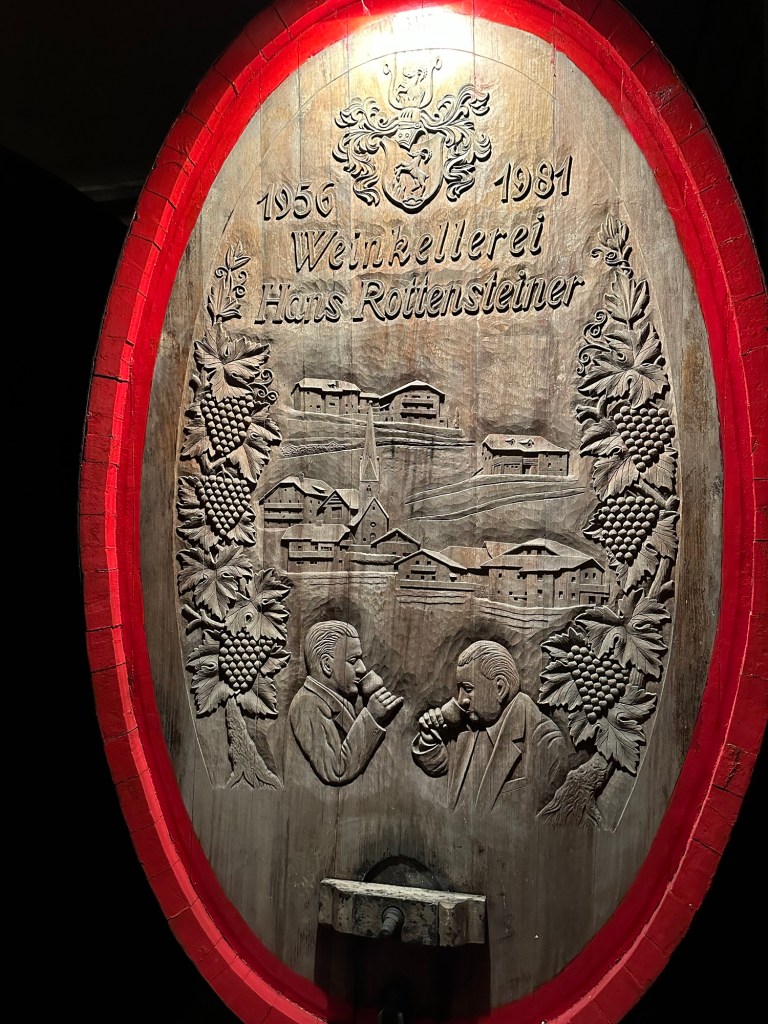
A tour of the estate’s historic cellar — thoughtfully preserved yet seamlessly integrated with modern precision — set the tone for a tasting that would repeatedly emphasize one core theme: Alto Adige at its most transparent.
Whites: Volcanic Lift Meets Alpine Freshness
The tasting opened with Pinot Bianco from the Carnol cru, where volcanic red porphyry soils immediately made their presence felt.
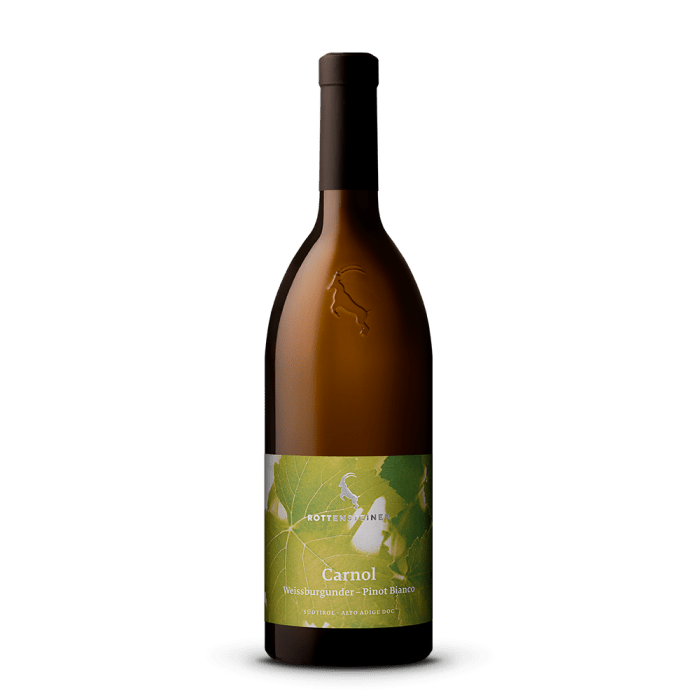
Rottensteiner’s Pinot Bianco DOC “Carnol” 2024 (92 points) showed pale gold in the glass with fragrant orchard fruit, sweet pear, apple, and delicate floral tones. A creamy texture filled the mid-palate, but the wine remained framed by a fine mineral spine that kept everything in balance. At roughly €12, it represents outstanding value for a cru-designated wine. Older vintages reinforced the point: the 2020 showed early nutty development, while the 2012, with a small portion seeing new oak, displayed evolved notes of toasted nuts, burnt sugar, and attractive salinity — clear evidence of the wine’s aging capacity.
Sauvignon followed and impressed immediately. Alto Adige Sauvignon DOC 2024 (93 points) — fermented cool at 16°C and sourced primarily from 450-metre calcareous sites with a small volcanic component — delivered herbaceous lift alongside passion fruit and guava. The palate was exceptionally clean and vibrant, with bright acidity, a subtle creamy mid-palate, and a long mineral finish. Notably, the estate avoids copper use in the vineyards, aligning with the wine’s pristine aromatic profile.
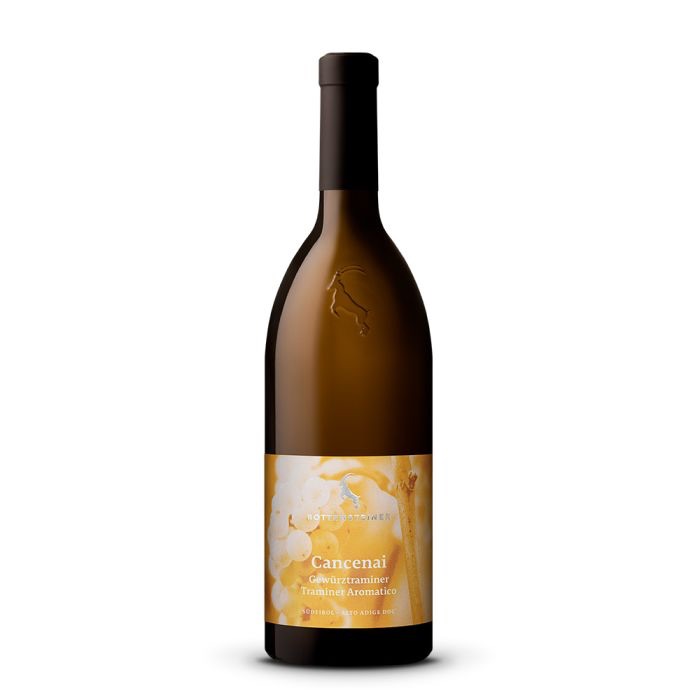
Gewürztraminer DOC “Cancenai” 2024 (90 points), from a single vineyard in Tramin, leaned deliberately toward spice rather than overt florality. Golden yellow in colour, it offered marigold, herbs, cedar, and lychee, with a slow 10-hour pressing contributing both texture and depth. With roughly 5 g/L residual sugar, the wine remained balanced and gastronomic — particularly well suited to dishes incorporating fruit elements.
Rosé and Schiava: Drinkability with Alpine Identity
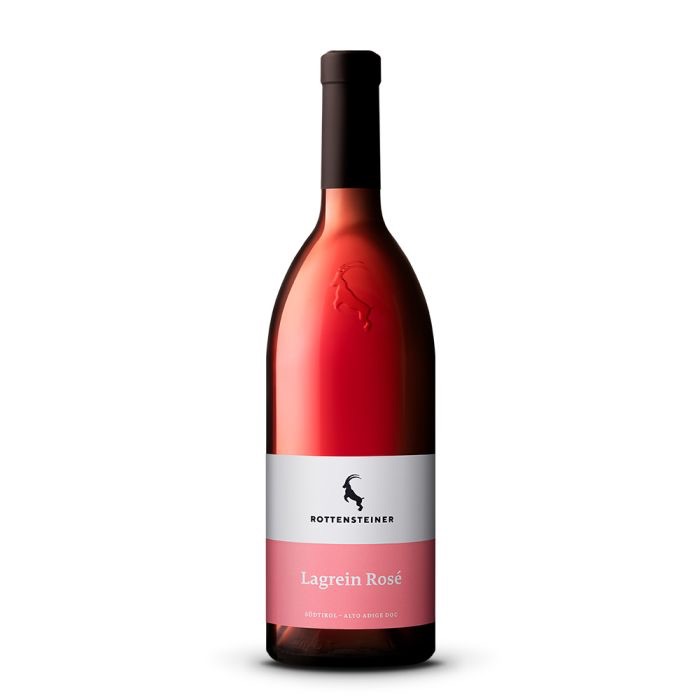
Lagrein Rosé DOC 2024 provided a lighter interlude. Produced via saignée from pergola-trained vines rooted largely in volcanic soils, it showed fresh strawberry, rhubarb, cherry, and herbal notes. Clean and refreshing, if relatively short on the finish, it remains a straightforward and food-friendly rosato.
More revealing was Schiava DOC Vigna Kristplonerhof 2024, which highlighted the variety’s delicacy and rapid evolution. Light cherry in colour and already well integrated, it offered tart cherry and gentle spice in a supple, highly versatile style reminiscent in weight of Valpolicella, yet distinctly Alpine in character. A tank sample of the 2025 underscored how quickly Schiava can shift in colour and aromatic profile.
Native Grapes of Bolzano: The Estate’s Backbone
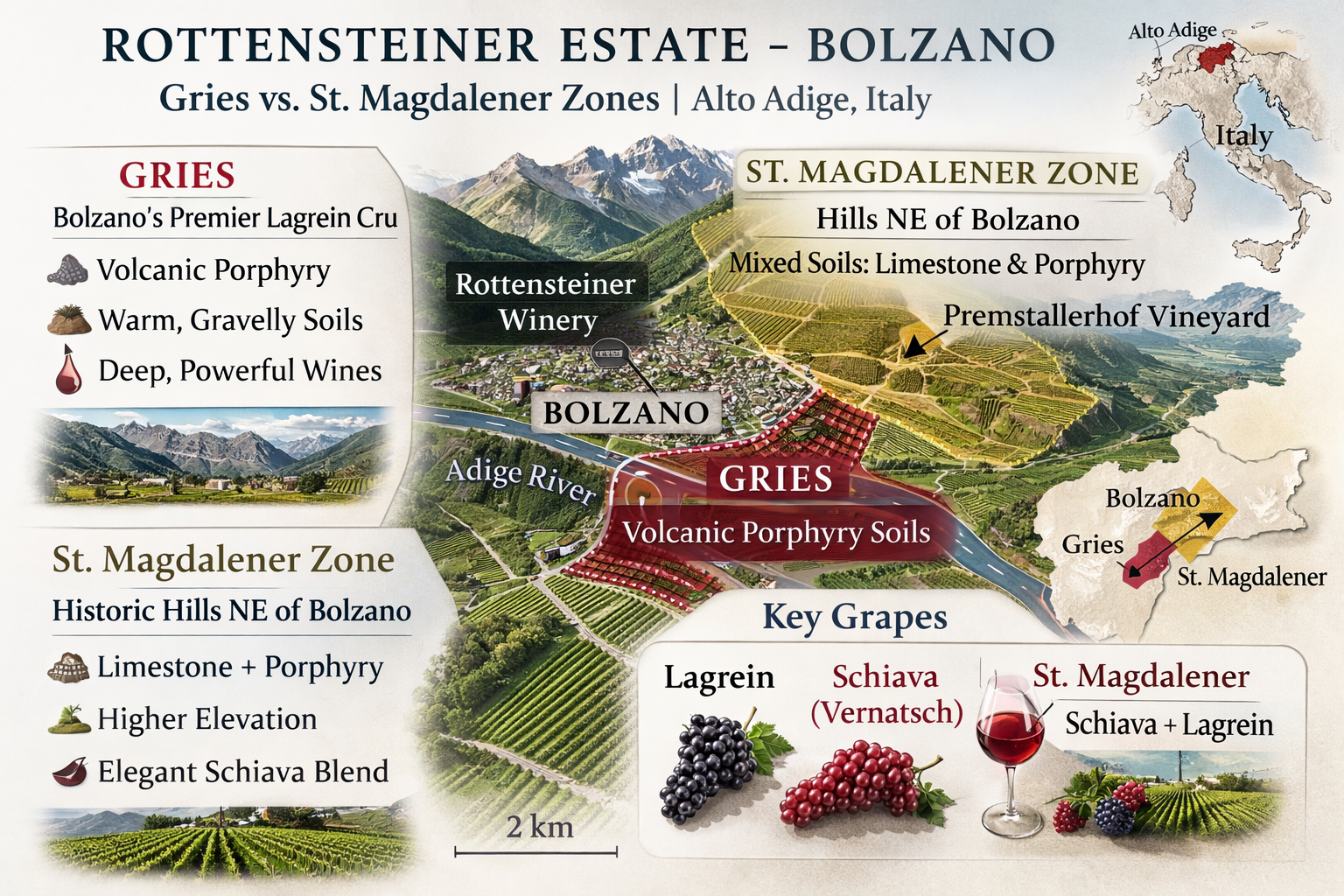
One of the clearest takeaways from the tasting is Rottensteiner’s deep commitment to Alto Adige’s historic red varieties. Across the portfolio, three grapes — Lagrein, Schiava (Vernatsch), and the St. Magdalener blend — form the cultural and viticultural backbone of the estate’s identity.
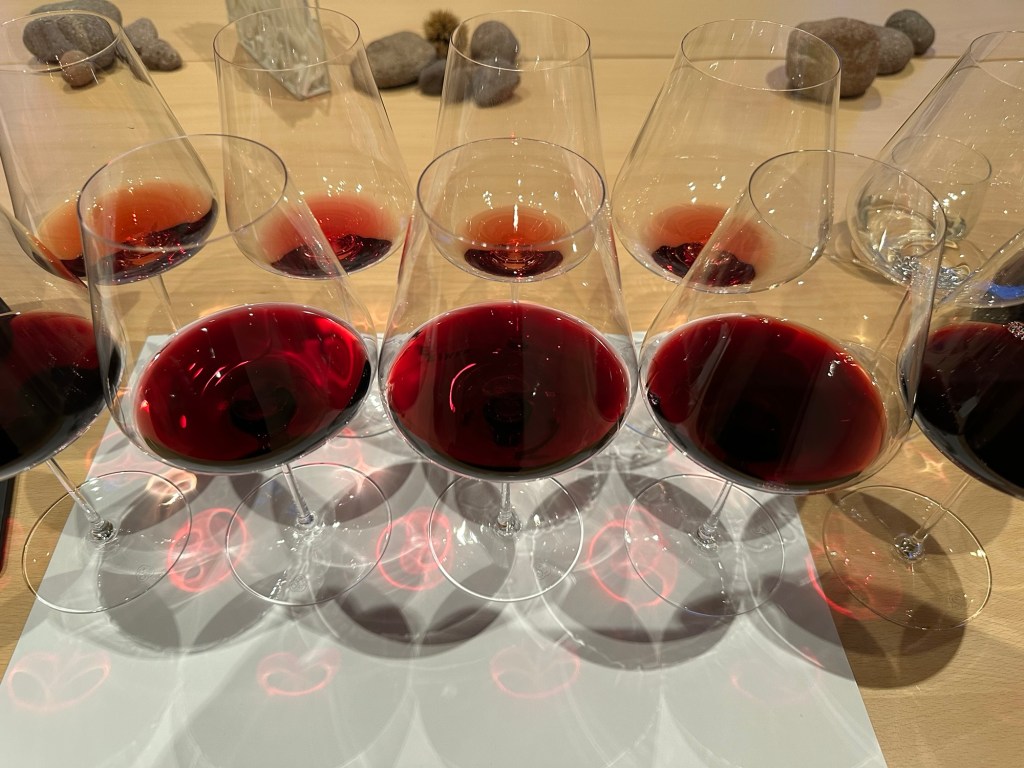
Lagrein remains Bolzano’s most structurally formidable indigenous red, historically concentrated in the warm, gravelly volcanic soils of Gries. Known for deep colour and firm extract, it once carried a reputation for rusticity. Today, however, careful vineyard work and restrained cellar handling — both evident here — reveal a far more polished profile marked by dark plum, blackberry, graphite minerality, and subtle cocoa tones.
If Lagrein provides structure, Schiava embodies Alto Adige’s historic drinking culture. Pale, fragrant, and effortlessly drinkable, it thrives on the warmer slopes around Bolzano, producing wines defined by bright cherry fruit, gentle spice, light tannins, and refreshing Alpine lift. As seen in the Kristplonerhof bottling, the variety can deliver impressive site transparency when treated with care.
Bridging the two is St. Magdalener, one of the region’s most historic and culturally important wines. Based primarily on Schiava with a small proportion of Lagrein — often co-planted — it occupies a compelling middle ground: more depth than straight Schiava, yet more finesse than pure Lagrein. At its best, it captures the signature cherry-and-mineral profile that defines the hills above Bolzano.
St. Magdalener: The Emotional Center
If the earlier wines demonstrated precision, the St. Magdalener wines revealed the estate’s emotional core.
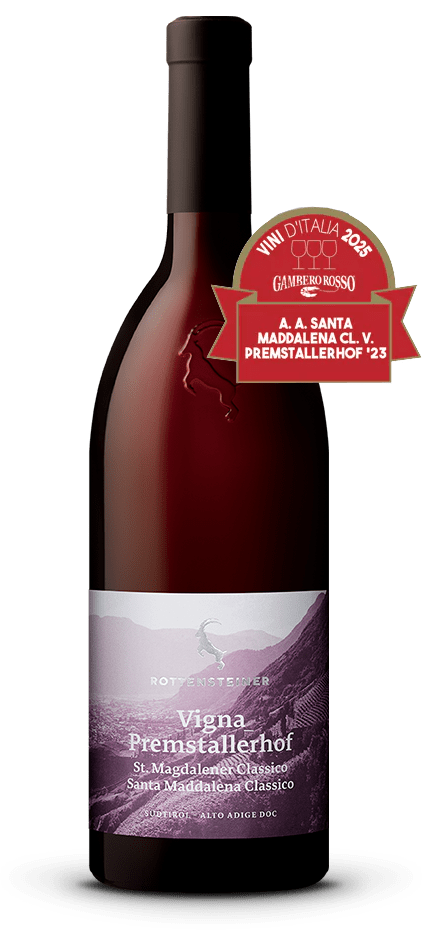
St. Magdalener Classico DOC Vigna Premstallerhof 2024 showed bright cherry fruit supported by pronounced graphite minerality, fermented and aged across steel, concrete, and large 80-hectolitre casks.
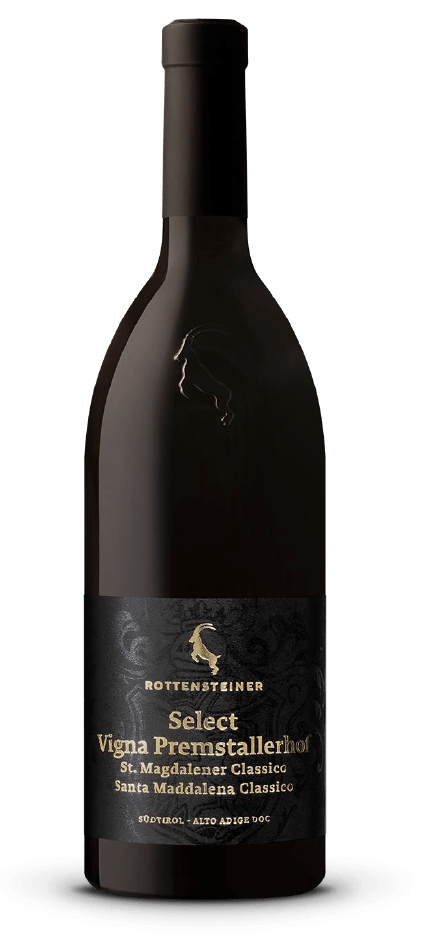
But the clear standout was the St. Magdalener Classico DOC Select Vigna Premstallerhof 2024 (95 points). Co-planted with approximately 7% Lagrein and benefiting from older vines and slightly greater sun exposure, the Selection delivered a deeper light ruby colour and a beautifully layered profile. Cherry, plum, spice, and mineral tension unfolded with remarkable poise. The texture was seamless — elegant yet persistent — capturing exactly what makes top St. Magdalener so compelling. It was, quite simply, one of the most complete expressions of the appellation I’ve tasted.
Lagrein from Gries: Power Refined
Lagrein remains the structural backbone of Bolzano, and Rottensteiner’s handling of the variety reflects how far understanding has evolved since the 1980s.
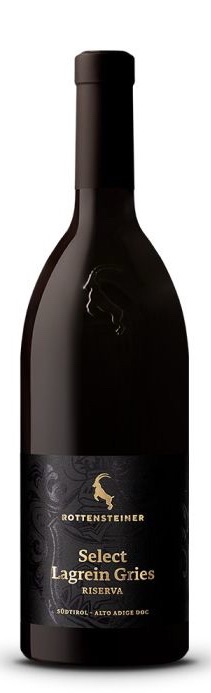
The Lagrein Gries Riserva DOC Select 2022 (94 points), aged 12 months in French barrique, showed ruby depth with dark plum, cherry, graphite minerality, roasted beet, and subtle chocolate notes. Powerful yet composed, it demonstrated the estate’s emphasis on elegant extraction — critical for a variety known for its formidable colour and structure.
Older vintages reinforced the consistency of the site. The 2018 showed balsamic depth following a hot summer, while the 2016, widely regarded locally as a vintage of the century, combined volcanic minerality, dark fruit, and exceptional balance.
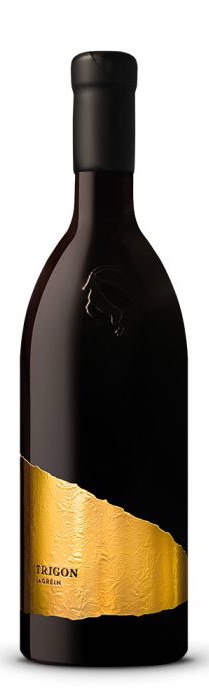
At the top of the range, the Lagrein Gries Riserva DOC “Trigon” 2022 (€89) — sourced from low-yield parcels and produced in just 10 barrels — delivered pronounced graphite character and structural depth, clearly built for extended aging.
Sweet Finish
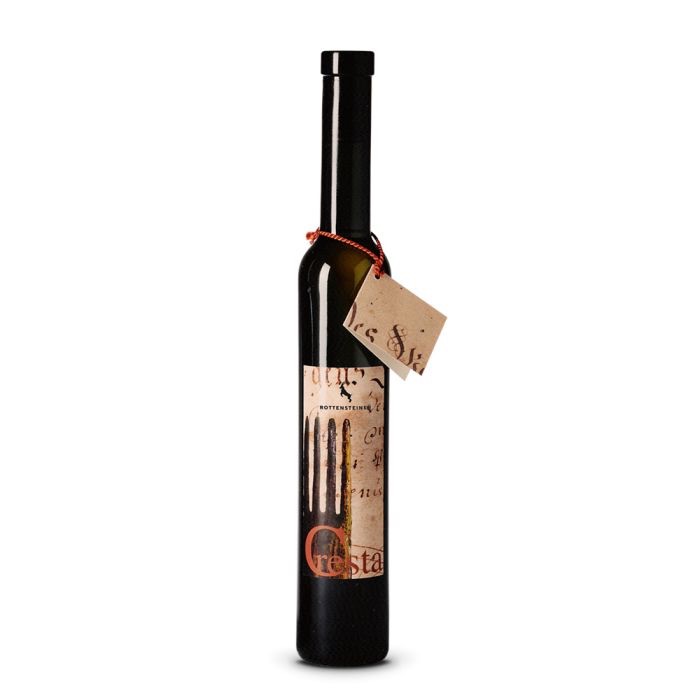
The tasting concluded with a passito wine (241 g/L RS) produced from normally harvested fruit that is subsequently dried, resulting in roughly 75% volume loss. Deep golden amber in colour, it offered apricot and honeyed richness while maintaining impressive balance — never veering into heaviness.
Closing Thoughts
If this tasting confirmed anything, it is that Rottensteiner’s strength lies not in chasing modern extremes, but in quietly refining what Alto Adige does best. Across the range — from the lifted precision of Carnol Pinot Bianco to the poised depth of Lagrein from Gries — the wines consistently favored clarity over weight, site expression over cellar signature.
In a region where altitude, exposure, and soil can easily overwhelm less disciplined hands, Rottensteiner shows the confidence that comes only with long familiarity. These are not wines built to shout for attention; they reveal themselves gradually, with the kind of composure that increasingly defines Alto Adige at its highest level. For readers seeking authenticity from Bolzano’s slopes, this remains a producer well worth following.
Cheers,
Matt Steeves
Discover more from Quercus Vino
Subscribe to get the latest posts sent to your email.
 Quercus Vino
Leave a comment