


Ottawa, ON
September 19, 2024
Overview: Today on CTV Morning Live and CFRA News Talk 580, Sommelier Matt Steeves was introducing us to the latest trend in the premium wine scene … Orange wine!
Check out the segments to hear what all the buzz is about and which wines Matt is recommending you try this Autumn.

Orange wine — the latest trend in the wine scene that’s making waves and tantalizing taste buds with its bold, unconventional charm! Despite the sunny name, Orange wines have nothing to do with oranges and Sommelier Matt Steeves will break it down for us and show a few of his top recommended Orange wines to try this autumn.

What is Orange Wine?
First of all, Orange wine does not come from oranges. That’s the first misconception which is totally understandable given the name and even the colour of the wines.
So how are Orange wines made?
Orange wine, or skin-fermented white wine, is created by fermenting white varieties with their skins. This process, which must last at least 10 days to be certified as an Orange wine in Ontario, infuses the wine with more tannins and distinct herbal and tea-like notes coming from that extended skin contact. The result is a unique, amber-hued wine that’s both complex and refreshingly different from traditional white wines.
Are Orange wines new?
While their popularity is on an upward trend across North America, Orange wines have been around forever, literally dating back to 6000BC in Georgia. Using clay pots to ferment and store wine, the resulting ‘Orange wine’ has been around forever but most notably in the last few decades in Europe and now North America where the trend is growing and winemakers in regions like Niagara and Prince Edward County are including Orange wines in their portfolios to showcase their craftmanship with these expressive and highly textured natural wines.
Why is Orange Wine Creating such a Buzz?
Orange wine has become the latest sensation because it offers a thrilling departure from the familiar. Sort of like how IPAs became all the rage in the beer world years ago, Orange wines offer endless variations in styles and can be super flavourful and textured making them incredibly complex and interesting.
With its rich flavors—ranging from nutty and tannic to fruity and herbal—orange wine is like the adventurous cousin of white wines, bringing new dimensions to your glass. Its artisanal appeal, often produced in small batches, makes each bottle a unique experience and a perfect conversation starter.
Orange wines is also an easy concept to grasp… high quality, good with food, and very flavorful, making them easy picks when you go to a restaurant and can’t decide what to choose on the wine list. Opting for an Orange wine can be a safe bet like ordering the IPA beer when you’re looking for something interesting that’s sure to be refreshing.
What Makes a Good Orange Wine?
A standout orange wine should offer a balanced blend of complexity and freshness. Look for wines that display rich flavors, including dried fruits, spices, and herbal notes, while maintaining a vibrant acidity. The tannins should enhance the texture without overwhelming the other flavors. And a long, evolving finish is a good sign of a well-crafted wine.
But everyone has different preferences so while someone may love a particular style of Orange wine, it may not be everyone’s cup of tea. Orange wines tend to be a bit more polarizing than crowd-pleasing white, red, or Rosé wines, which makes them so interesting to explore and enjoy, and take good notes when you find one that you love as no two are made alike.
Tips for Buying Orange Wine
When selecting an Orange wine, transparency is crucial. Opt for producers who use traditional, minimal-intervention methods and who clearly explain their fermentation practices. Pay attention to the grape variety and the wine’s age, as both factors significantly influence flavor and texture. Orange wines generally come in clear bottles so you can see the wine’s colour and clarity very transparently which are big clues for what it may taste like.
The clarity of Orange wines and the winemaking techniques used play crucial roles in shaping their aromas, flavors, and textures. Clear wines may have a more refined and delicate profile, while cloudy wines often exhibit richer, more complex characteristics. The choice of techniques—ranging from length of skin contact and fermentation methods to aging and minimal intervention—provides winemakers with a toolkit to create diverse and intriguing wines and there are literally countless variations to explore.
Ontario’s Orange Wine Excellence
Ontario’s wine country, nestled between the 41° and 44° North latitudes, is in prime real estate for fine wine production—right in the heart of the world’s premier wine zones. This latitude, shared with Northern Italy and other esteemed cool-climate regions in Europe, offers the ideal conditions for growing exceptional grapes. The cool temperatures and significant daily temperature fluctuations throughout the long growing season create the perfect environment for achieving a fine balance between acidity, alcohol, and complex fruit expression.
Wines from cooler climates like Ontario tend to be more aromatic, lighter in body, and higher in acidity compared to those from hotter regions. This balance not only enhances the wine’s refreshment and food-pairing versatility but also contributes to its aging potential.
Ontario’s embrace of skin-fermentation methods and its cool climate make its orange wines particularly noteworthy, showcasing rich tannins and intriguing herbal characteristics that set them apart.
So, whether you’re exploring a new wine region or seeking something a bit different, orange wine from Ontario offers a fresh and exciting option. With its unique flavor profile and the region’s ideal growing conditions, it’s a trend worth savoring.
Why are Ontario Orange wines so popular?
The sought-after nature of Ontario Orange wines is due to a synergy of factors: the cool climate preserves acidity and enhances flavor complexity, the limestone soils contribute to mineral depth and texture, and the winemaking expertise brings these elements together with skillful techniques and natural practices. The result is a range of expressive, high-quality Orange wines that stand out in the global wine market.

Here are Sommelier Matt Steeves’ top recommended Orange wines from Ontario:
Lailey Winery – Skin Fermented Vidal “Orange Wine” 2021 – $35
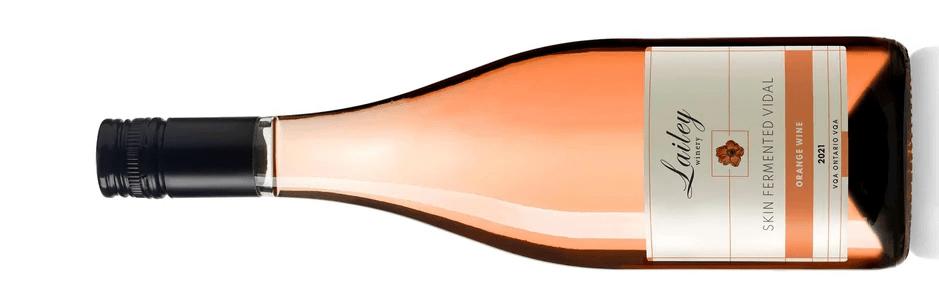
A terrific wine for those looking to get introduced into the vast world of Orange wines.
Lailey’s fresh take on an ancient winemaking tradition of Orange wine – Vidal grapes fermented, like classic red wines, on their grape skins, extracting rich flavours and extraordinarily distinctive aromatic traits. Using Vidal from the estate vineyard in Niagara-on-the-Lake, this is the most intriguing expression of dry (non Icewine) Vidal you’ll come across.
Trail Estate Winery – The OG – 2022 Orange wine – $45
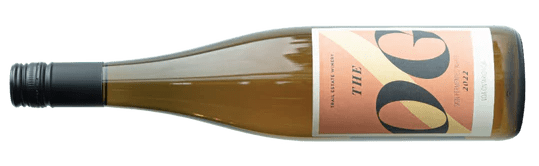
Located in Prince Edward County, known for their low intervention ‘natural’ wines, which are found at many of the best restaurants across the province.
The OG is a a blend of 42% Gewurztraminer and 58% Riesling from organically farmed Grimsby Hillside Vineyard (Niagara). Skin-fermented Gewürztraminer was hand destemmed and fermented naturally with 2 punchdowns per day. Pressed mid-way through fermentation and put to neutral barrel to complete fermentation and age on lees. Riesling was hand harvested and hand destemmed into stainless steel. Fermented naturally with punchdowns until dry. The tank was sealed and the wine was pressed after 200 days on skins. Aged for 1 month in neutral oak before blending with Gewürztraminer. Bottled unfined and unflitered.
A visceral wine, evoking feelings of humid summer nights, childhood and tropical fruits. Tannic, bright and quite light.
Therianthropy – Mouflon Viognier Marsanne Chardonnay Orange Wine 2021 – $35

Therianthropy – virtual winery based out of Niagara Custom Crush, renowned for their low interevention and funky wines. Mouflon being a great example of an orange wine having spent 6 months on skins in a concrete egg.
Cumquat, apricot and tangerine zest with clove, toasted coriander and fennel seeds. Chamomile flowers and violets with eucalyptus and bergamot tea.
A wine of contradictions. Fine boned and luscious, pretty and delicate on the nose, while the palate is a velvet glove hiding subtle power.

Maenads, the female followers of Dionysus were known for their “wild” behaviour, defying the expected role of women. The wines from Maenads Wine Co. follow their muse: crafty, non-conformist, interesting and wildly delicious.
Winemaker Yvonne Irvine co-owns Maenad Wine Co. with her husband James Wallace. It’s a project to make interesting wines on their own terms. The brand is made to celebrate women – as they are, completely unfixed and unfiltered.
Chardonnay was harvested by hand from the Niagara College Teaching Vineyard. It was de-stemmed, without crushing, to bin where it fermented for 21 days on the skins with wild ambient yeast. Gentle pressing to extract the wine. Aged in neutral French oak barrels (with a small amount done in stainless steel), where it underwent malolactic fermentation. The final wine is meant to be a play on textures. Some structure and tannin from the skin ferment balanced by a soft creaminess and roundness.
So if you’re looking to try a trendy Orange wine, then check out some of these great options and remember they’re super versatile when pairing with foods, especially spicy Asian fare, but fried chicken, German schnitzel or salmon and steak tartare are some great options to consider too.
Ten things you should know about Orange Wines:
- Skin Contact: Orange wines are made from white grapes that are fermented for 10+ days on their skins, much like how red wines are made. This process gives the wine its distinctive color and flavor.
- Color: The extended skin contact imparts an orange, amber, or copper hue to the wine, which is why it’s often referred to as “Orange wine.”
- Flavor Profile: Because of the skin contact, Orange wines often have richer, more complex flavors compared to traditional white wines. They might include notes of dried fruit, nuts, and spices.
- Tannins: Similar to red wines, orange wines have tannins from the grape skins, which can give them a slightly astringent and textured mouthfeel.
- Fermentation: These wines are typically fermented in open vats or clay amphorae, allowing for a more natural, less controlled fermentation process.
- Natural Winemaking: Many Orange wines are produced using natural winemaking techniques, meaning minimal intervention and the use of indigenous yeasts.
- Food Pairing: Due to their robust flavors and tannins, Orange wines pair well with hearty foods like roasted meats, rich cheeses, and spicy dishes.
- Aging Potential: Orange wines often benefit from aging, as the tannins and complex flavors develop and mellow over time.
- History: This winemaking method is ancient, with roots in regions like Georgia, where it has been practiced for thousands of years, since ~6000BC.
- Diverse Styles: There’s a wide range of styles within Orange wines, from lighter, fresher versions to more intense and robust ones, offering something for every palate.
Cheers!
Matt
Discover more from Quercus Vino
Subscribe to get the latest posts sent to your email.
 Quercus Vino
Leave a comment