
November 13, 2024
Ottawa, ON
Today on CTV Morning Live, CTV’s Stefan Keys and Sommelier Matt Steeves discussed the intriguing world of wine glasses…the different shapes, sizes, and functions and why any of that matters when you’re looking to get some for your home.
 When it comes to wine glasses, the variety of shapes, sizes, and materials is unlimited. From elegant crystal to durable plastic, there’s no shortage of options making selecting the right glass a bit tricky —especially for those new to the world of wine. Today on CTV we touched on a few 101s of wine glasses to help you pick the right glass(es) for your needs.
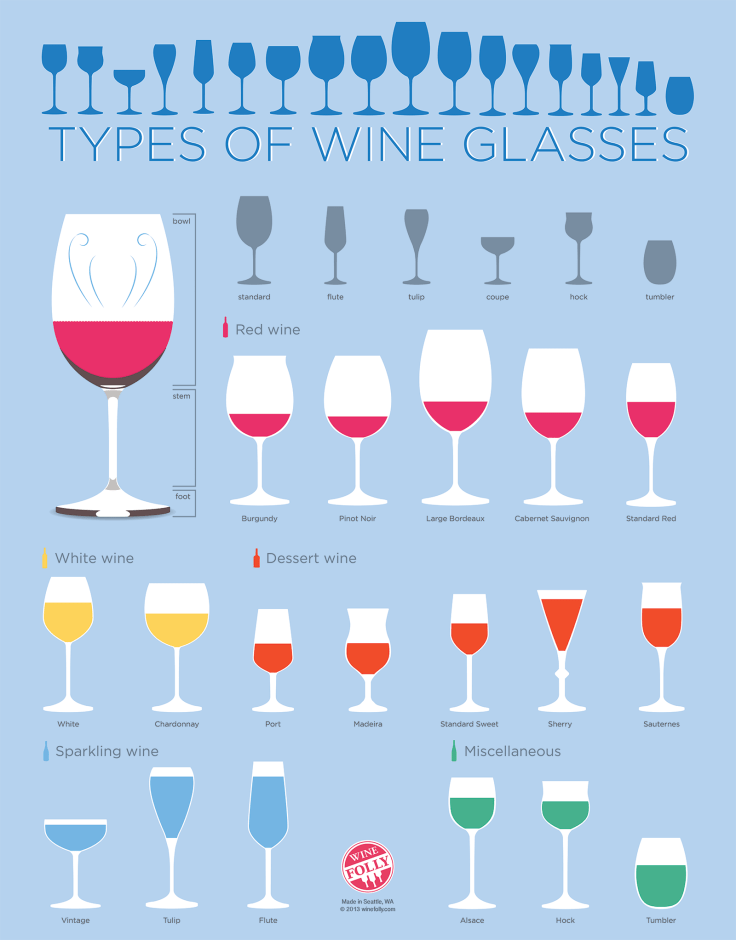
The Basics: Why Glassware Matters
Wine enthusiasts, sommeliers, and winemakers often give careful thought to their choice of glassware. The reason? Different glasses can subtly alter the way a wine looks, smells, and even tastes. While some people may grab whatever glass is closest (no judgment here!), others—particularly those in the wine business—understand that the right glass can elevate the wine-drinking experience by maximizing its aromatic and flavor potential.
But it’s not all about technicalities. For some, stemware choices are based on practical considerations—like how often they entertain or the amount of space available for storage. And let’s be honest, the red solo cup isn’t exactly ideal for wine, but we’ve all had moments when it’s a necessary evil. The key takeaway is that there are no wrong glasses, but there are glasses better suited to specific wine styles. The question is how do you decide?
The Science of Stemware: How Glass Shape Affects Wine
Red Wine Glasses: Red wine glasses generally have larger, rounder bowls to allow the wine to “breathe” by exposing it to air. This is crucial for red wines, as the increased surface area helps release their complex aromas and allows tannins to soften. The wider mouth helps direct those aromas toward your nose. Sommelier Tip: Don’t fill the glass to the top! A good rule of thumb is to fill the glass about one-third full—this allows room for swirling and maximizing the aromatic experience.
White Wine Glasses: White wines benefit from a slimmer design. Smaller, narrower glasses help concentrate the delicate aromas, guiding them toward the nose. They also promote slightly smaller pours which is critical for keeping your wine cool, essential for whites, especially those meant to be served chilled. Over-pouring a white can quickly result in the wine warming up too much, losing its crispness and freshness. Sommelier Tip: Pour smaller amounts and refill as needed to maintain that perfect temperature.
Sparkling Wine Flutes: Flutes are designed to preserve the effervescence—keeping the bubbles intact and contributing to the texture and refreshing quality of the wine. That said, most Sommeliers don’t use flutes, they tend to reach for a small white wine glass, allowing a greater appreciation for the aromatic complexity of the sparkling wine. Pro Tip: While traditional flutes are great, consider a tulip-shaped glass for fine sparkling wines like Champagne. These glasses combine the best of both worlds, giving the bubbles room to rise while enhancing the aromatic profile of the wine.
Crystal vs. Glass: Is There a Difference?
One question that often comes up is whether it’s worth investing in crystal over regular glass. Crystal glassware is known for its clarity and ability to reflect light, creating a visually stunning experience. It’s also frequently found in styles that are lighter and thinner than those clunky thick glass options, making it feel more elegant. However, crystal glasses come with a higher price tag, so the choice largely depends on personal preference and budget. Sommelier Pro Tip: While crystal may look gorgeous, it’s not essential for everyday use— focus first and foremost on the shape and size of the glass and then move to how the stemware feels and looks. That said, you should be able to find value-priced thin-ish crystal glasses that wont break the bank.

Key Questions to Guide Your Choice of Wine Glasses
- What wine do you drink most often? White, Red, Bubbly?If you primarily drink red, a larger glass with a wide bowl will help with aeration, allowing the wine to breathe and develop its full bouquet. White wines, on the other hand, benefit from smaller, narrower glasses that help concentrate their delicate aromas. Champagne flutes are designed for sparkling wines, preserving the bubbles longer.
- Do you only drink one style of wine, or do you enjoy a variety?If your wine habits are more one-dimensional (e.g., you only drink white wine), there’s no need to invest in a full set of red wine glasses too. However, if you entertain regularly and serve a variety of wines, having one or two types of glasses—perhaps a standard white and a red wine glass—will cover most bases.
- Do you typically enjoy wine indoors or outside?Outdoor enthusiasts or those who like to sip wine poolside might prefer stemless glasses—ideal for less formal settings where stability and durability are key. Stemless glasses are often more practical for outdoor activities, as they’re less prone to tipping over which makes them great if you have furry tailed friend is by your side. For something more sophisticated outdoors, consider durable stemless crystal or even shatterproof plastic options. Amazon has tons of reusable shatterproof options but most stemless crystal glasses are super durable so don’t pass by crystal unless you’re poolside then I highly recommend some quality plastic glassware.
- How often do you entertain?For those who host gatherings regularly, buying in bulk (12 to 24 glasses) might be a good idea. You can find affordable options at stores like Costco, Winners, and Homesense. If you entertain large crowds, renting glasses for special events is another viable option— and you don’t need to wash them when you’re done!
- How much storage space do you have?If you don’t have much cupboard space, you might want to opt for a minimal set of glasses. A few versatile options, like a white wine glass and a champagne flute, can serve multiple purposes without taking up too much room. Measure your cupboard shelf spacing to ensure whatever glasses you buy will fit. They’re not all the same size.
Wines we’re tasting in different glasses today on CTV Morning Live to see how different shapes and sizes influence your wine enjoyment.
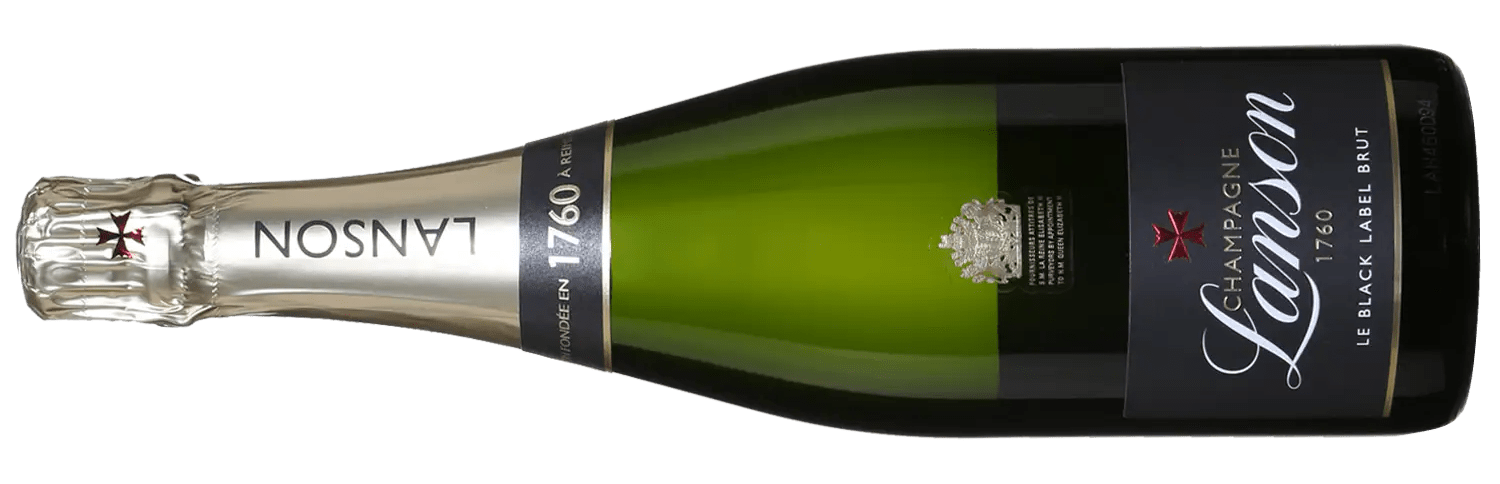
Lanson “Le Black – Creation 258” Champagne from France’s storied Champagne region. $72.50 at SAQ. Creation 258 signifies the number of blends Lanson has created since they started in 1760. Creation 258 is a blend of 50% Pinot Noir, 35% Chardonnay, and 15% Pinot Meunier sourced from 92 Cru vineyards (including 49 Grand Cru and Premier Cru vineyards), 68% from 2018 vintage and 32% from older reserve wines. Aged four years in bottle before being disgorged October 2023. Lanson advises to enjoy this wine in a white wine glass. I couldn’t agree more given the expressive, complex aromatic profile which is best expressed in a white wine glass, or perhaps a tulip shaped flute as a second-best option. Of course a standard flute is fine but you’ll miss much of the aromatic complexity from this super interesting and already aged wine so pour away in your white wine glass and see for yourself how great it shows!
Sartori Valpolicella Superiore Radole 2021 – Verona, Italy – $16.95 at LCBO – This popular wine is produced with the same grapes as the king of Valpolicella (Amarone della Valpolicella) but without the appassimento (grape withering) method resulting in a lighter style of wine. If you enjoy refreshing Pinot Noir you’ve got to try more Valpolicella Superiore. The Superiore meaning this wine has been aged for a minimum 1.5 years and is a bit higher in alcohol and more concentrated than the base Valpolicella wine. Pro Tip: Look for Valpolicella Superiore and Ripasso Superiore wines at the LCBO and SAQ as they offer fantastic value, often over-delivering on quality for the price.
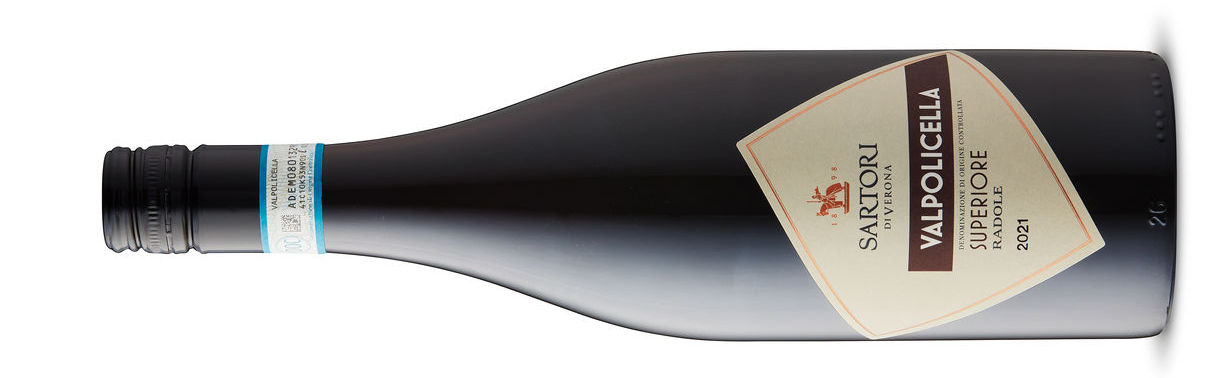
Sartori’s Valpolicella Superiore Radole is a blend of indigenous grape varietals from around Verona, in the valleys of many cellars (Valpolicella). This crunchy and refreshing Valpolicella Superiore is a wonderful option year-round with charcuterie, pizza, pasta, and even stews. I tasted it recently with jalapeno poppers with bacon and it was wonderful, complementing the pepper and vegetal character of the jalapeno with refreshing cherry and balsamic notes. In terms of how best to serve it, I like it below room temperature and I prefer enjoying Valpolicella Superiore from a wide bowl glass. I typically use a Pinot Noir varietal specific glass when enjoying Vapolicella wines as I find it helps appreciate the impressive aromatic complexity.
As we’ve said before there’s no wrong glass for enjoying good wines. Although a great glass won’t make a bad wine excellent, a decent wine can be elevated with the right glass and that’s what we’re trying to do by selecting a few appropriate options for you to get the most out of your wine enjoyment.
Final Thoughts: Finding the Right Glass for You
Choosing the perfect wine glass doesn’t need to be daunting. Start by asking yourself a few simple questions about your wine enjoyment habits and lifestyle, and the right glasses will naturally fall into place. Whether you’re sipping solo at home, hosting a party, or enjoying wine outdoors, there’s a glass out there that will help enhance the wine’s aromas, flavors, and overall enjoyment.
Remember, there’s no wrong glass for the job, but certain glasses do work better than others. Just being mindful of that when you select your stemware means you’re well on your way to becoming a wine pro.
Cheers!
Matt Steeves – Sommelier, Wine Writer, & Fomer Director with the National Capital Sommelier Guild – follow Matt on Instagram @Quercusvino www.topwines.ca
Discover more from Quercus Vino
Subscribe to get the latest posts sent to your email.


 Quercus Vino
Leave a comment