Friulano: The Grape at the Heart of Collio DOC
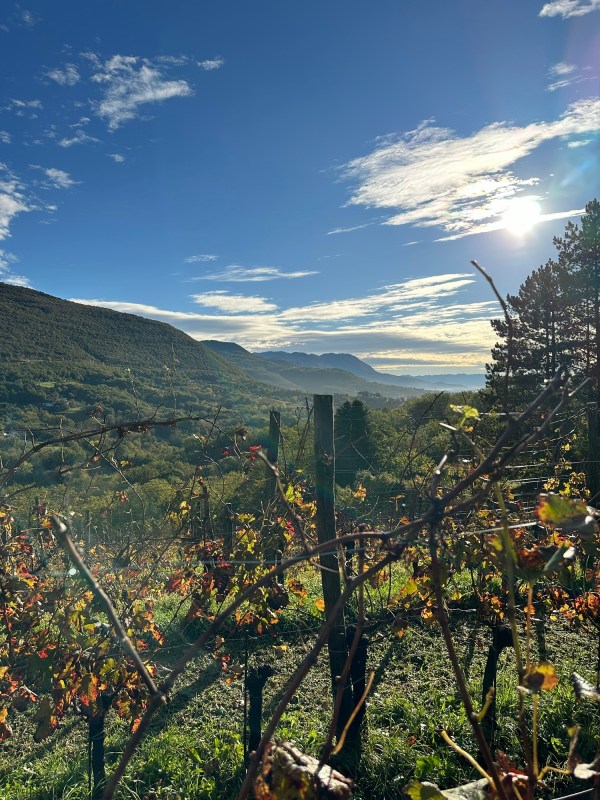
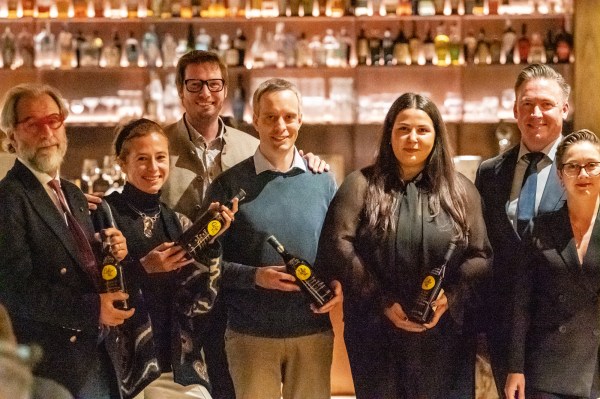
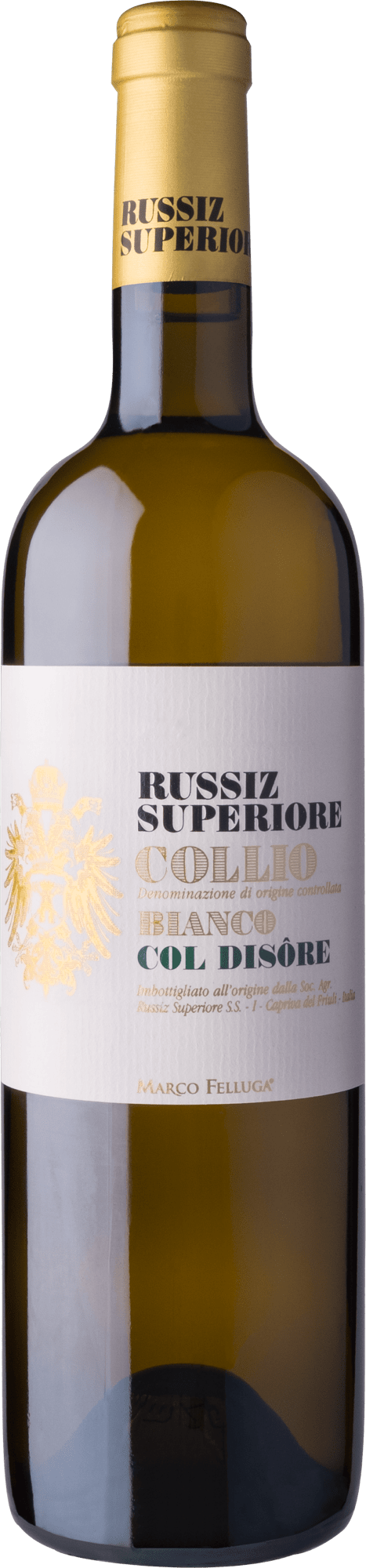
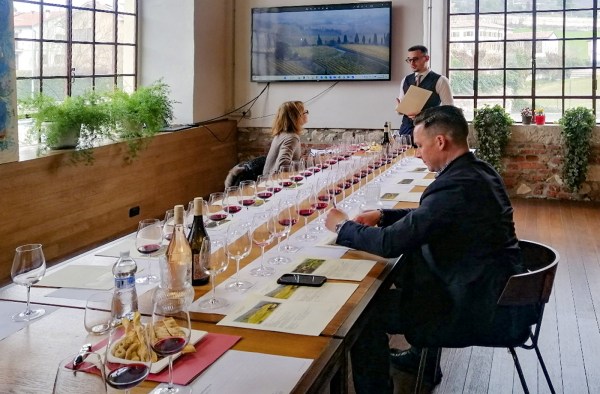
That intersection between history and evolution helps explain why Friulano was such an appropriate subject for the first Collio Evolution. The Consorzio deliberately framed the inaugural edition around the past, present and future of Friulano, with subsequent editions intended to place different Collio varieties in the spotlight. That framing seems particularly appropriate because Collio itself continues to evolve. There are grapes that belong to a place because they are widely planted. Others become inseparable from a region because, over generations, they come to express something deeper about its landscape, traditions and people. In Collio, that grape is Friulano. Friulano may not be indigenous to Collio in the strict ampelographic sense, but few grapes are more culturally indigenous to a place. Over generations, it has become woven into the identity of Collio: grown across its hillsides, poured in local osterie, embraced by many of the denomination’s leading estates and interpreted in styles ranging from bright and immediately approachable to concentrated, site-specific wines capable of developing beautifully for well over a decade. The Consorzio Tutela Vini Collio describes Friulano as a wine of tradition and a symbol of the denomination’s identity and history. Today it represents approximately 15% of Collio production, although its importance to the region extends far beyond those numbers. That made it an obvious choice to take centre stage at the inaugural Collio Evolution, held October 26 and 27, 2025. The new annual event was conceived as an exploration of the past, present and future of Collio, with a different grape variety taking the spotlight each year. For its first edition, organizers chose Friulano, the Consorzio calling it the wine of tradition and one of the most representative symbols of Collio’s identity and history. It was a fitting choice because understanding Friulano is, in many ways, essential to understanding Collio itself. Different producers are exploring different interpretations of Friulano. Some favour exceptionally clean, precise and mineral expressions. Others pursue longer lees ageing or greater textural development. Some employ skin contact, as seen in wines such as Picech’s Athena. Others continue to work within more traditional interpretations of the variety. Friulano also remains important within the broader language of Collio Bianco, where it can interact with varieties such as Ribolla Gialla and Malvasia Istriana. Yet none of these developments requires abandoning tradition. That is perhaps the larger message behind Friulano today. The grape has already survived changing borders, political regimes, winemaking fashions and even the loss of the name by which generations knew it. Its historical origins may be more complicated than the word “indigenous” sometimes implies, but after generations in these hills its connection to Collio is no longer merely agricultural. It is cultural. And that is why Friulano can feel so completely native to Collio even when its ampelographic history tells a more complicated story. The older wines at Collio Evolution added another important dimension to that relationship. They demonstrated that Friulano is not simply capable of representing Collio when young. Given time, it can reveal another side entirely, more savoury, textural, complex and contemplative, yet still recognizably connected to the grape and the hills from which it came. From a fresh young Friulano poured alongside the foods of Friuli to a single-vineyard wine still thriving thirteen years after harvest, the variety occupies an unusually broad spectrum. It can be familiar and profound at the same time. Choosing it to launch Collio Evolution therefore felt less like selecting the first grape in a rotating series than making a statement about what Collio considers important. Before looking toward the future, start with the variety that has helped define the region’s past. Start with Friulano. Cheers!

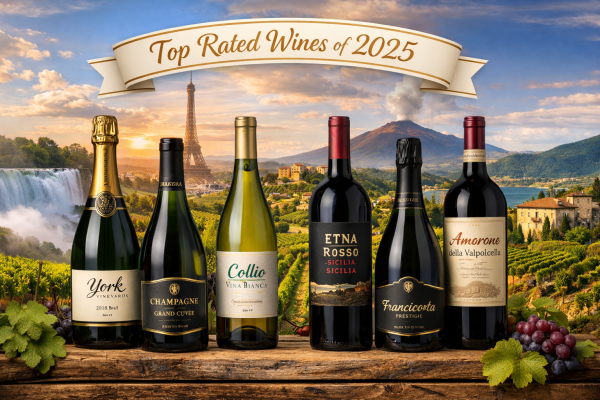
Sommelier Matt Steeves’ Top Rated Wines of 2025

Each year, a small handful of wines rise unmistakably above the rest—bottles that don’t simply impress, but define what greatness looks like in their place of origin. The top-rated wines I tasted this year from Canada, Champagne, and across Italy represent the absolute pinnacle of craftsmanship, terroir expression, and ambition. These are wines made without compromise, where precision meets emotion, and regional identity is expressed with clarity and confidence. From cool-climate Canadian vineyards delivering finesse and mineral tension, to the timeless brilliance of Champagne, and the profound depth and heritage found throughout Italy’s greatest appellations, these selections stand shoulder-to-shoulder with the world’s finest. Together, they tell a compelling story of what is possible when vision, site, and skill align—wines that proudly showcase the extraordinary heights their regions can achieve on the global stage.

Italy’s best white wines which you’ve probably never heard of…

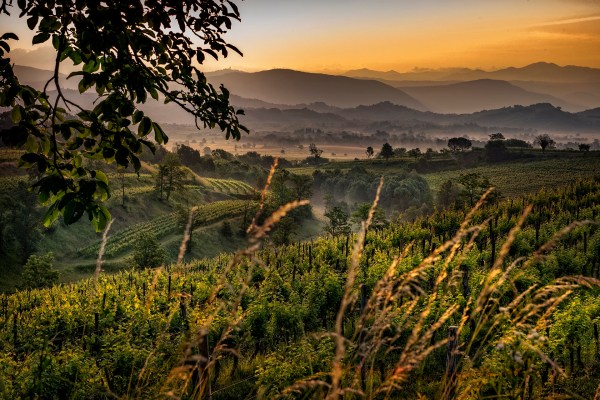
When wine lovers think of Italian viticulture, it’s often the iconic reds that spring to mind—Barolo, Brunello, Amarone—names synonymous with gravitas and longevity. And when they think of Italian whites, the selection tends to be narrower: the crisp friendliness of Pinot Grigio, the celebratory charm of Prosecco. But for those willing to step off the beaten path, Italy offers a treasure trove of white wines of astounding depth and finesse—nowhere more so than in the Collio DOC. Tucked into Italy’s northeast, along the Slovenian border in Friuli Venezia Giulia, Collio is a hilly, sun-soaked amphitheatre of rolling vineyards, ancient soils, and quietly ambitious producers. Here, terroir is king, tradition runs deep, and white wine—yes, white wine—is a serious art form. Known for its structured, mineral-driven whites with age-worthy potential, Collio offers a far broader and more profound expression of Italian white wine than most consumers ever get to see. The very name Collio comes from colli, Italian for hills—and hills dominate this landscape. Vineyards must be planted on slopes to carry the DOC designation, maximizing sun exposure and drainage while capturing the cool night air that helps grapes retain their acidity. But it’s the soil that truly defines this place: Ponca, a friable marl and sandstone matrix layered over eons, infuses Collio wines with a signature minerality and tactile tension. Add to that a microclimate shaped by the Julian Alps to the north and the Adriatic Sea to the south, and you have the perfect recipe for complexity and elegance: warm, dry days that encourage ripeness; cool nights that lock in freshness; and winds that keep vineyards healthy and vibrant. This article highlights why you should seek out Collio DOC wines when you can.

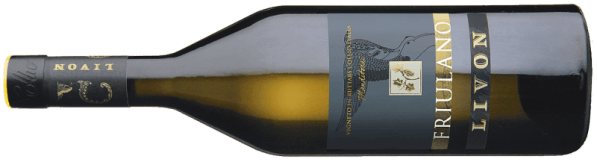
wine review: 2022 Livon Friulano Collio DOC “Manditocai”

From the revered Manditocai vineyard in Ruttars, nestled in the northwestern reaches of Collio in Dolegna del Collio, Livon’s 2022 Friulano “Manditocai” delivers a sophisticated and deeply rooted expression of the region’s signature white varietal. With its south and southwest exposure and classic Ponca soils (marl and sandstone), the site offers ideal conditions for ripening Friulano with both richness and tension. Fermented half in French oak barriques and half in stainless steel, and aged for 8 months before blending, the wine achieves a seamless balance of fruit purity and refined structure. Pale gold colour, the nose is layered and evocative, opening with fragrant floral notes, Marigold blossoms, summer meadow, stonefruit, touch of petrol, and a faint herbaceous note completes the bouquet. More yellow flower, citrus, peach, and minerality on palate. It's fresh and energetic. Friulano is a great variety for representing terroir and Manditocai 2022 shines bright with precision and poise. Tasted February 2025. 93 points. Matt Steeves - http://www.quercusvino.ca

wine review: 2022 Livon Malvasia Collio DOC “Soluna”

Livon Malvasia Collio DOC 'Soluna' - Sourced from the esteemed Ruttars Cru in the northwestern reaches of Collio, in Dolegna del Collio, Livon’s Malvasia “Soluna” is a strikingly expressive and terroir-driven white that captures the wild elegance of its origin. On the nose, Soluna unfurls with a smoky allure—fumé, wood smoke, and flint—layered over ripe stone fruit, apricot, apple, and wild herbs. This savory aromatic complexity offers a deeply evocative first impression. The palate is no less compelling: vibrant orchard fruits—pear, apple—give way to honeyed stone fruit richness, balanced by a firm streak of saline minerality. The finish is long, textured, and mouthwatering, echoing the wine's smoky and mineral undertones with a persistent, salty lift. A refined and characterful expression of Malvasia, Soluna is drinking beautifully now but has the structure and depth to evolve over the coming years. Tasted February 2025. 93+ points. Matt Steeves - http://www.quercusvino.ca

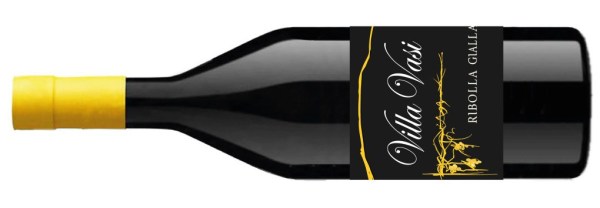
wine review: 2021 Villa Vasi Ribolla Gialla, Collio DOC

Villa Vasi's 2021 is very fresh and elegant. Complex bouquet showing citrus and orchard fruit, with expressive wet stone minerality. Mouthwatering, bone dry with a repeat on the palate, pronounced minerality persisting on the long finish. Outstanding expression of Ribolla Gilla that is showing beautifully now and will over the next decade.

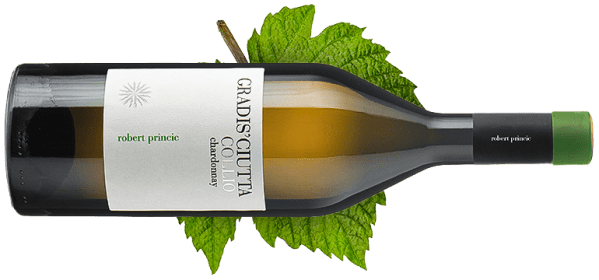
Wine review: Gradis’ Ciutta Chardonnay 2017.

Flashback to tasting the impressive terroir-focused wines that Robert Princic of Gradis’Ciutta winery is producing in Collio DOC. This one being the 2017 Chardonnay. Incredibly elegant and complex, loaded with crisp orchard fruit, brioche, lees, and minerality. Remarkable balance with intriguing texture, the harmony of fruit and minerality producing an age-worthy wine you’ll want to enjoy now and over the next 15 years with creamy dishes or pan fried fish with fruit chutney. A masterpiece from this renowned Collio producer. Highly recommended. Tasted May 2023.

Blog at WordPress.com.

Up ↑