
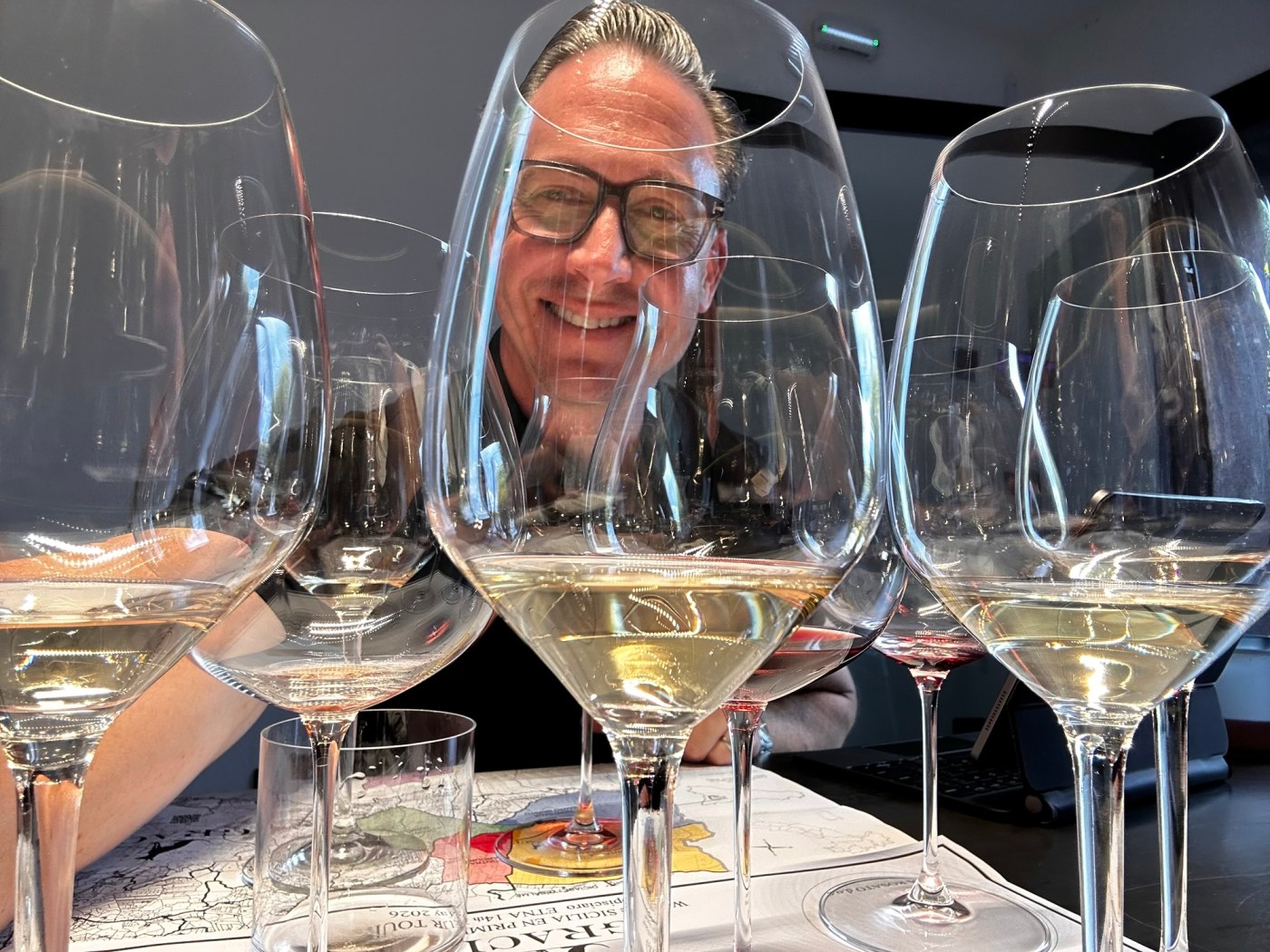
From Mount Etna’s volcanic vineyards and Puglia’s limestone plateau to the historic wine regions of Valpolicella and Collio, and Canada’s Okanagan Valley and Niagara Peninsula, a year of travel reveals distinctive wines, dedicated producers, and the diversity of terroir on both sides of the Atlantic.
By Matt Steeves | Certified Sommelier & Wine Writer
Some years in wine stand out not simply because of the bottles tasted, but because of the people encountered, places explored, and experiences that deepen our understanding of what makes great wine.
For me, 2026 has been one of those years.
From Sicily’s volcanic slopes and the limestone plateau of Puglia to the rolling hills of Collio, historic estates in Valpolicella, the Alpine landscapes of Alto Adige, and Canada’s Okanagan Valley and Niagara Peninsula, this year’s travels have provided a fascinating perspective on the diversity and quality of wines being produced on both sides of the Atlantic.
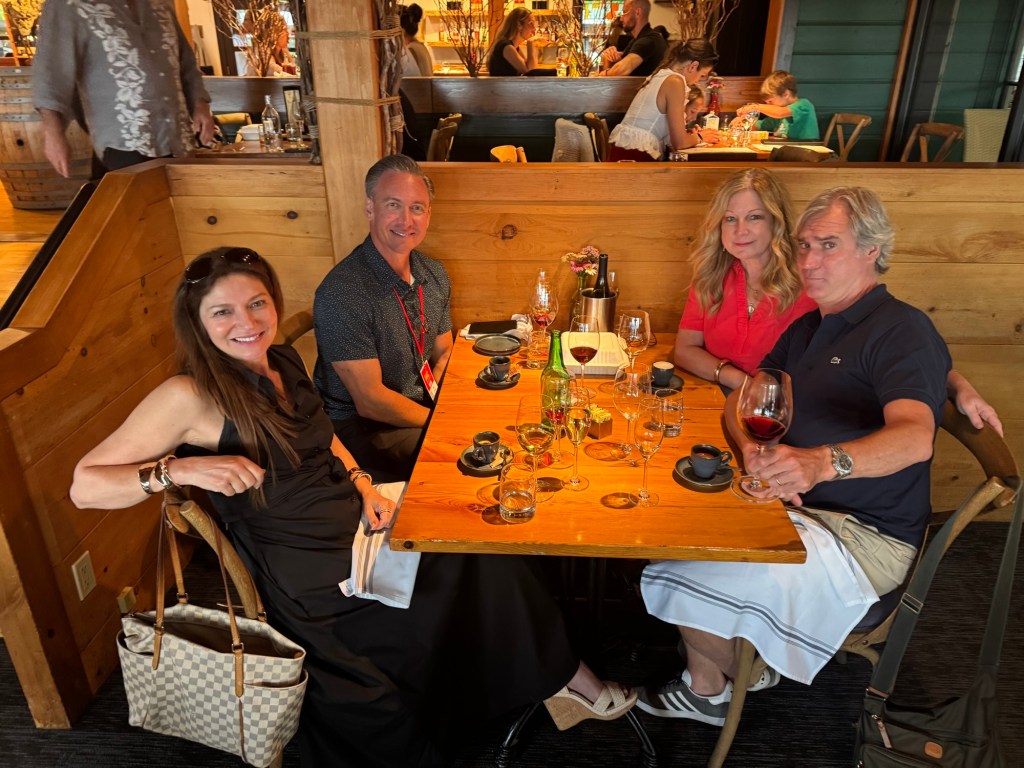
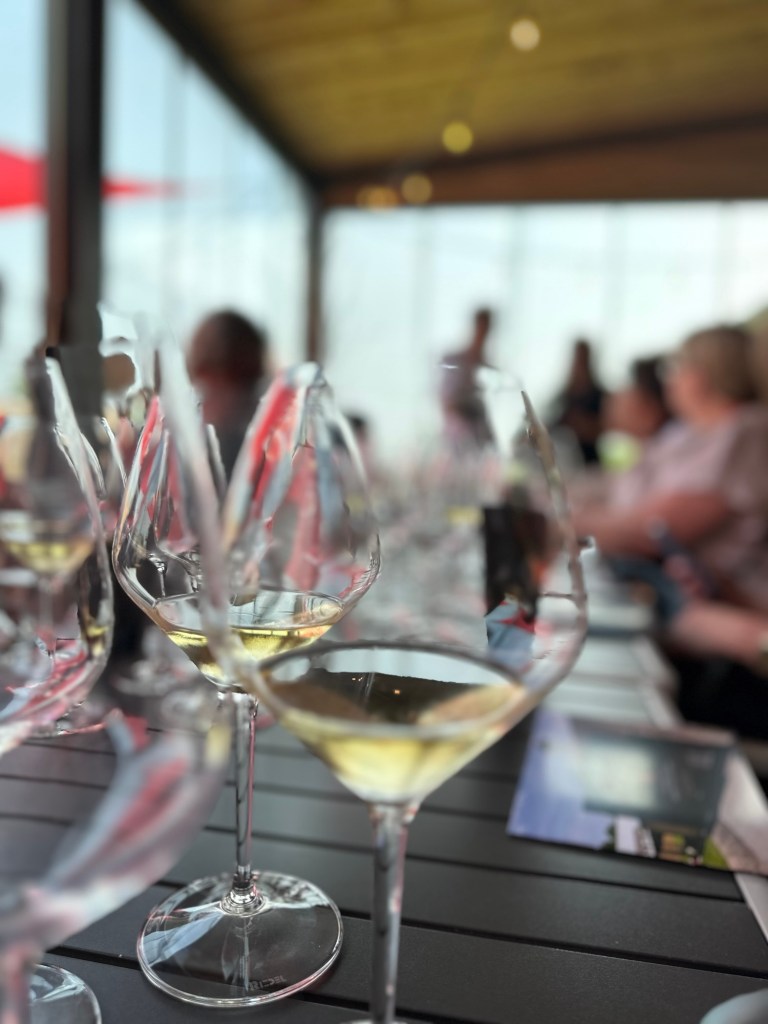
I’ve had the privilege of walking vineyards with winemakers, exploring historic cellars, tasting wines across several decades, and experiencing the culinary and cultural traditions that give these regions their identities.
Along the way, I’ve encountered outstanding wines from internationally celebrated estates and smaller producers deserving of greater recognition. What connected many of my favourites wasn’t necessarily power or concentration, but the ability to express a distinctive sense of place through balance, freshness, complexity, and thoughtful winemaking.
Here are some highlights from a memorable year in wine.








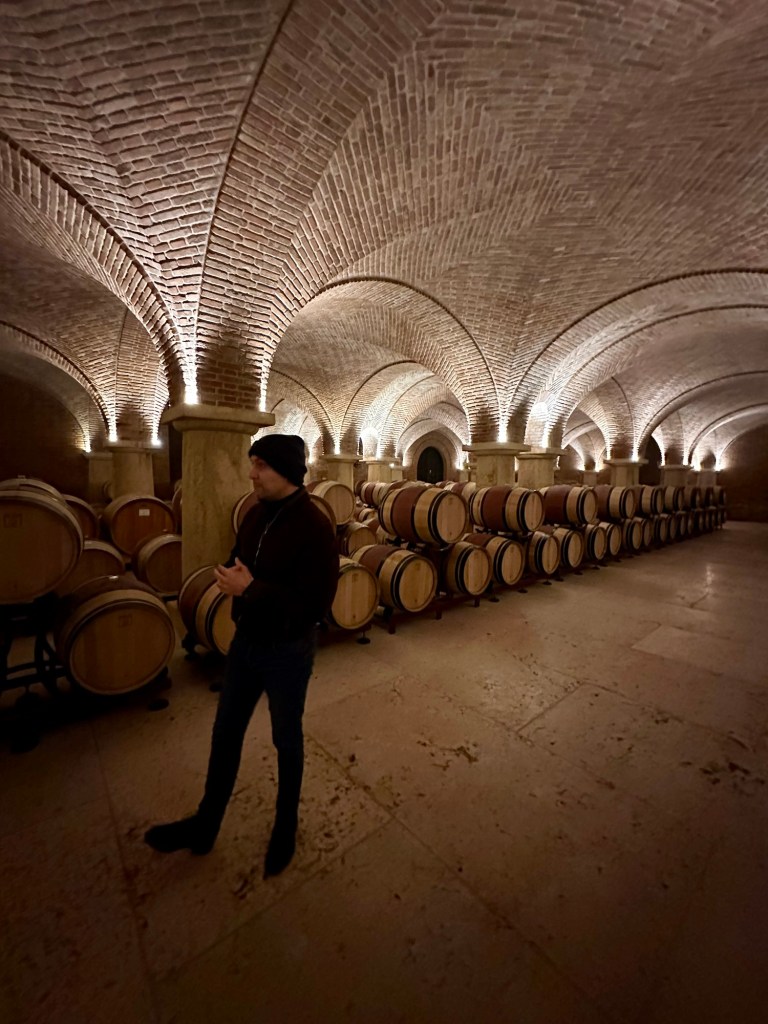
Sicily: The Volcanic Wines of Mount Etna

Few wine regions have captured my attention quite like Mount Etna.
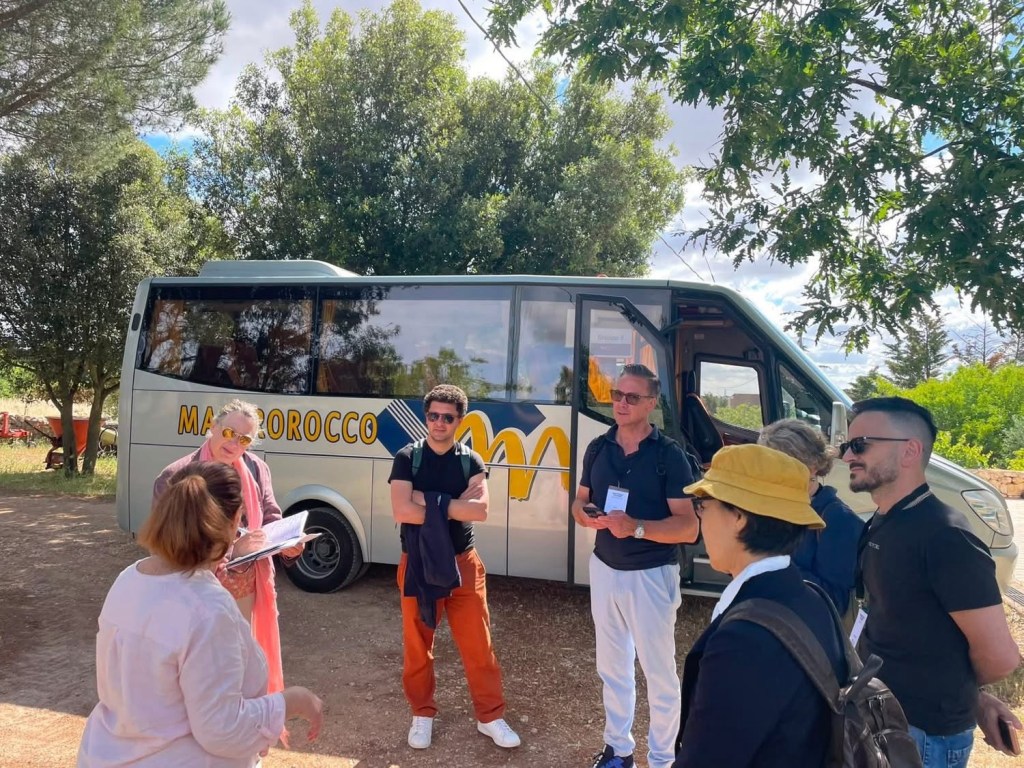
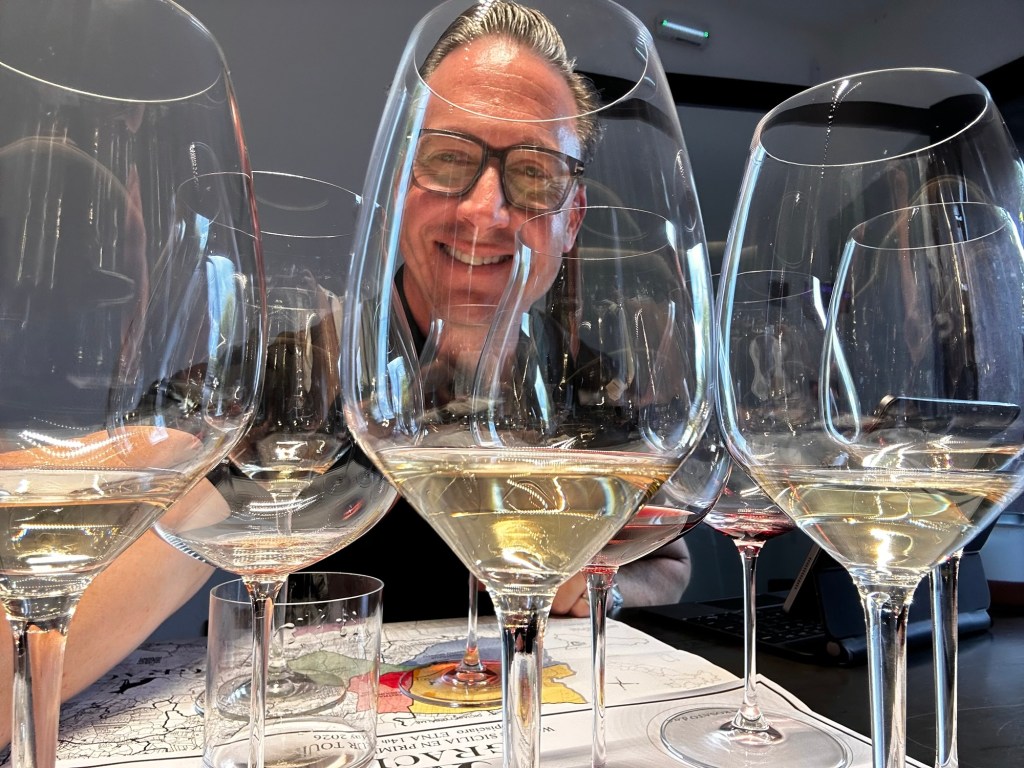
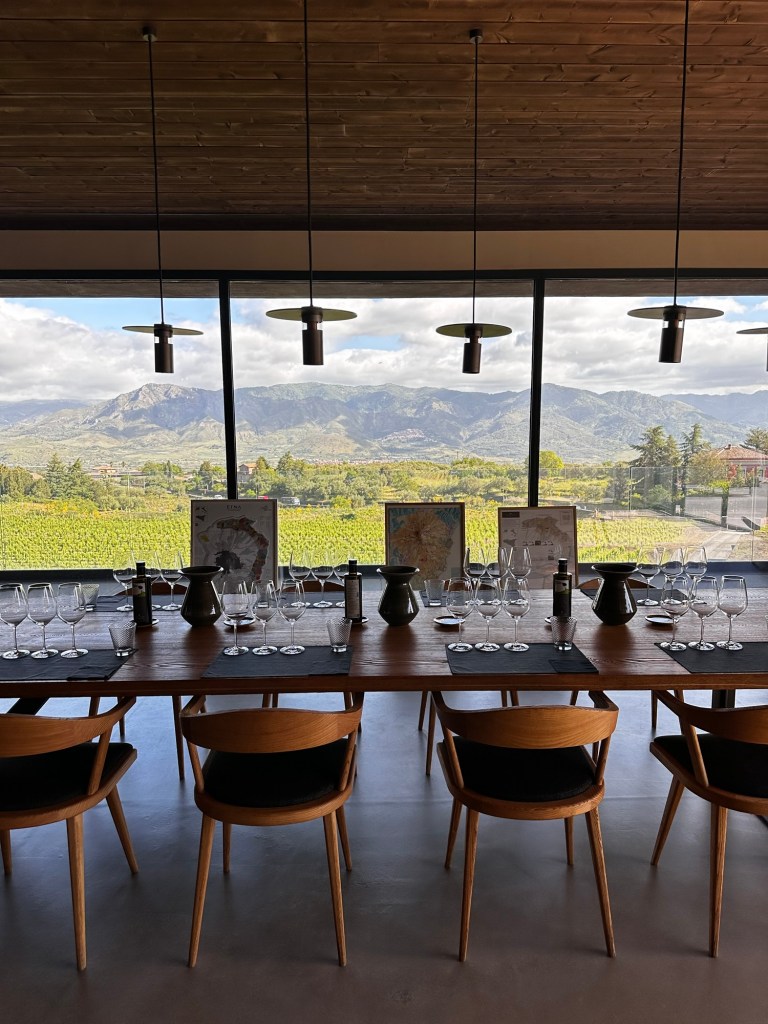
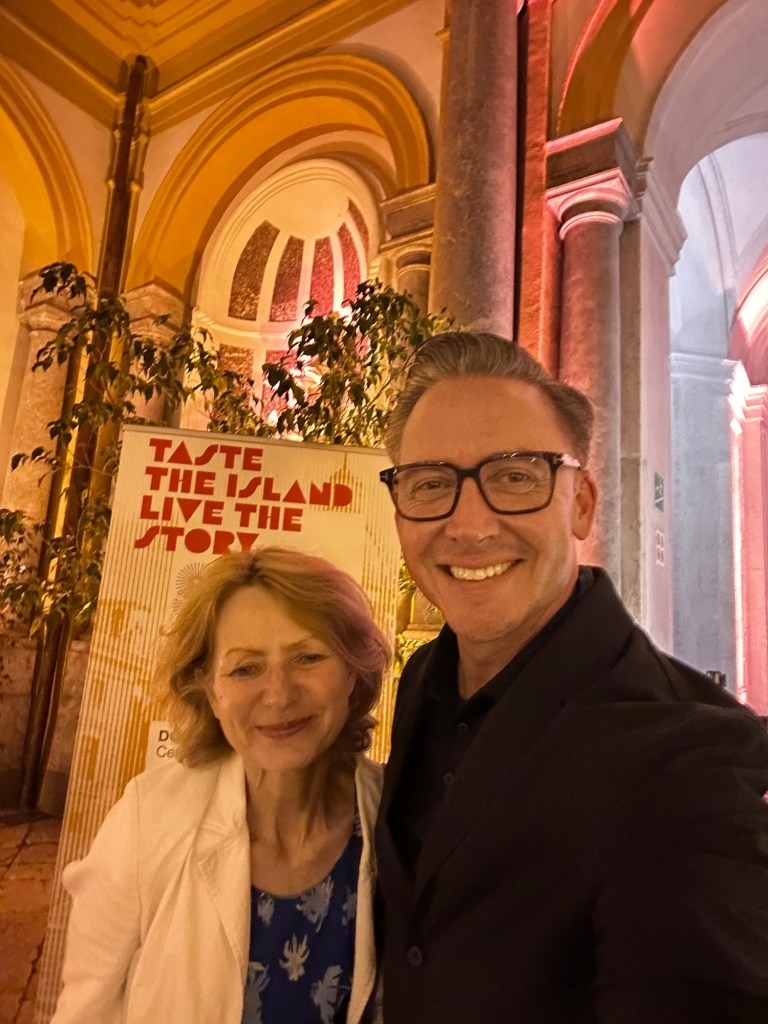
During Sicilia en Primeur in May, I explored this volcanic landscape, visiting producers including Pietradolce, Palmento Costanzo, Graci, and Cottanera.
Travelling high onto Etna, where deep snow remained on the upper slopes despite the Mediterranean warmth below, offered a vivid reminder of the climatic contrasts shaping these wines.
Etna produces a fascinating paradox: wines grown beneath intense Sicilian sunshine yet displaying the freshness, precision, and mineral tension commonly associated with considerably cooler regions.
Nerello Mascalese and Carricante have become two of my favourite Italian varieties to explore. Both are capable of producing wines with distinctive regional character, shaped by altitude, volcanic soils, and the differences between individual contrade, or recognized vineyard districts.
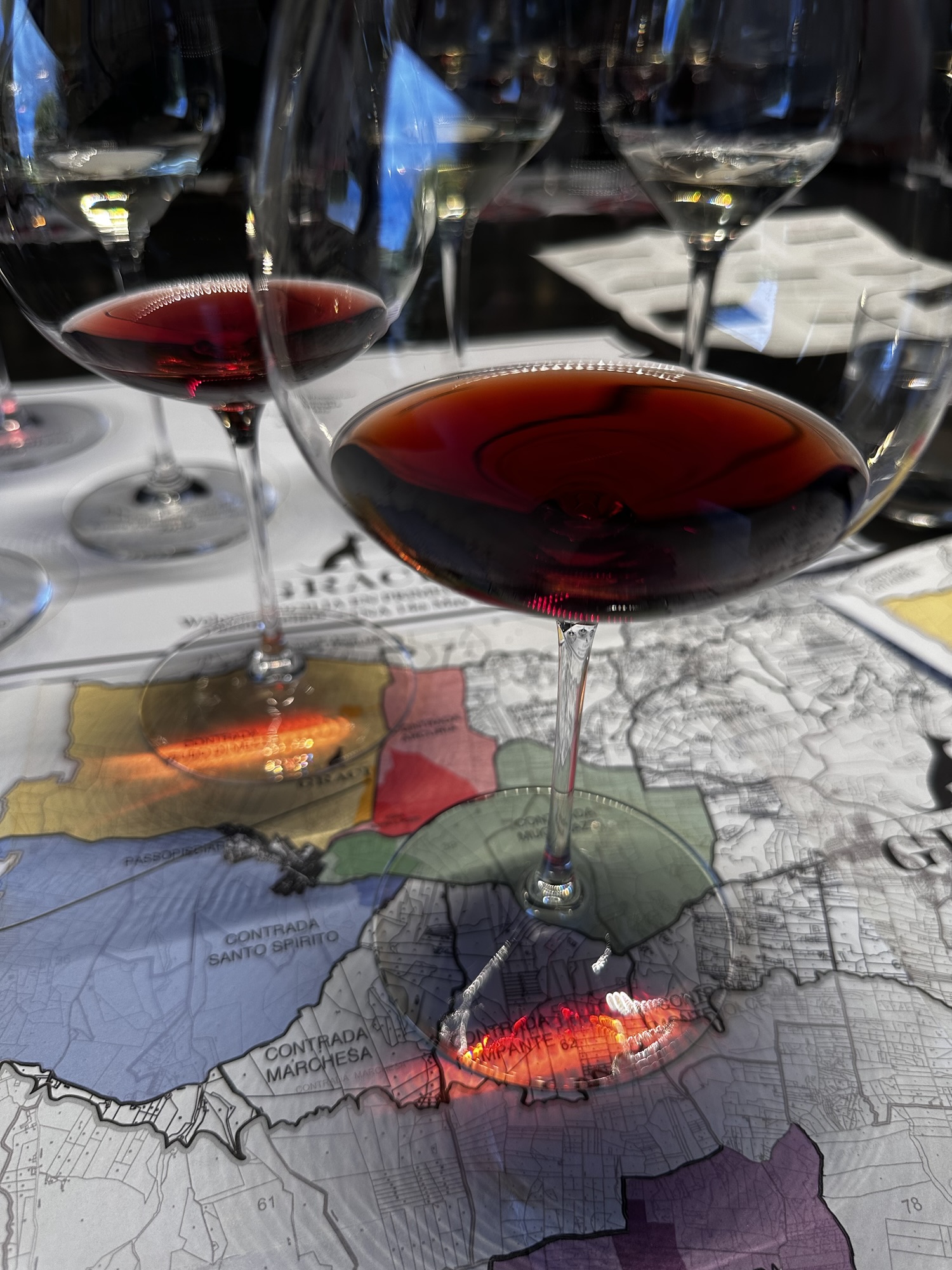
Graci Etna Rosso Contrada Arcurìa Sopra Il Pozzo 2017 — 98 points
Among the finest wines I tasted in Sicily. At nearly nine years old, this Nerello Mascalese displayed layers of volcanic ash, graphite, leather, dried rose, blood orange, and savoury Mediterranean herbs. Silky tannins and vibrant fruit carried through a long, persistent finish. Beautifully mature, yet retaining the freshness and structure for further evolution.
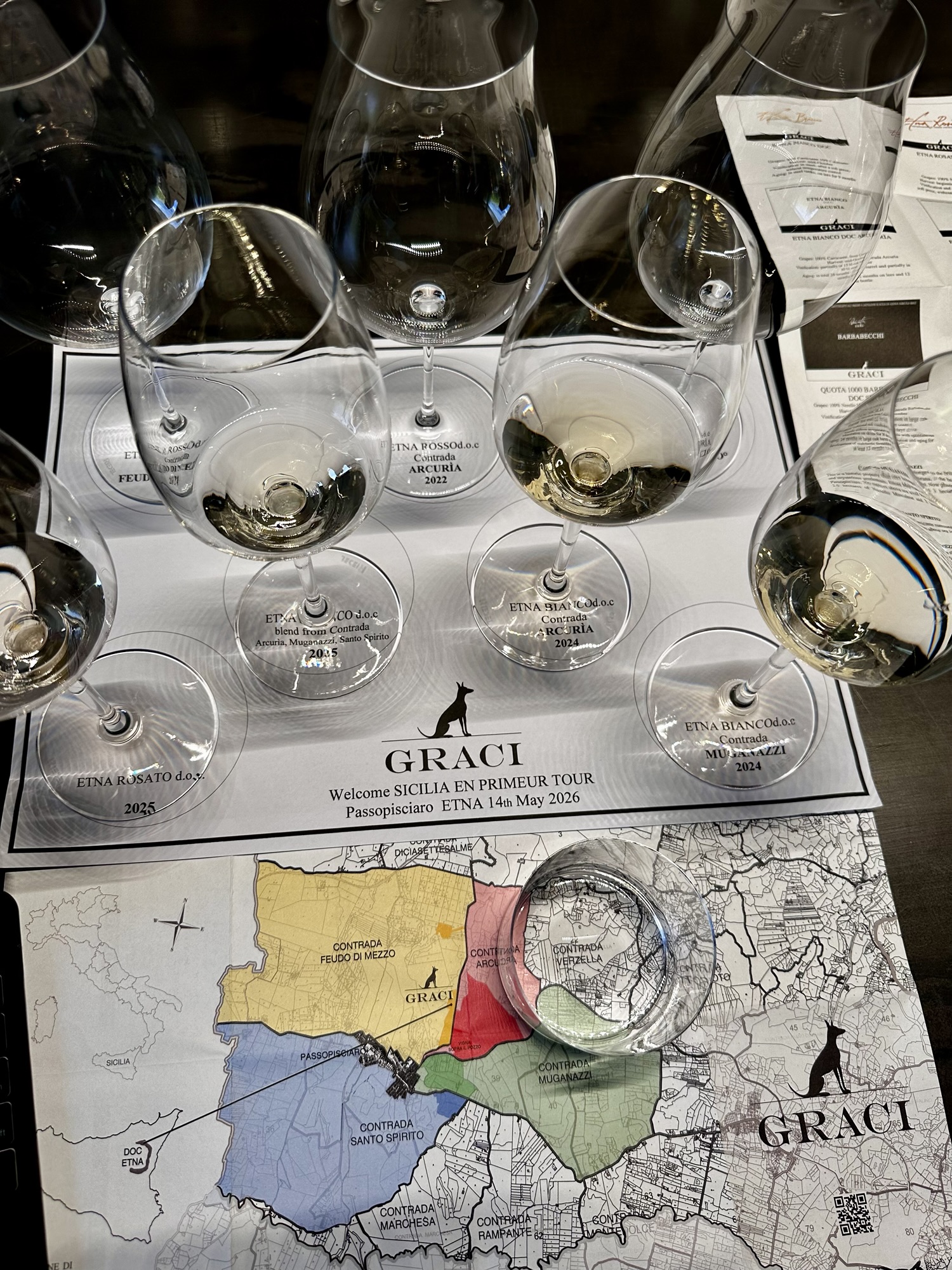
Graci Etna Bianco Contrada Muganazzi 2024 — 95 points
A finely detailed Carricante offering flint, volcanic ash, crisp orchard fruit, Mediterranean herbs, and pronounced saline minerality. The combination of texture, acidity, and mineral character demonstrated the distinctive personality of this Etna vineyard.
My time on Etna reinforced why the region has attracted so much international attention. Its finest wines combine Mediterranean ripeness with freshness and mineral definition, offering a style distinctly their own.
Read more: Etna: Sicily’s Paradox of Fire and Freshness
Puglia: Discovering Primitivo’s Purest Voice in Gioia del Colle
Travelling to Puglia in June for Radici del Sud introduced me to a side of Primitivo that deserves far greater recognition.
For many wine lovers, Primitivo is associated with power: deep colour, high alcohol, plush dark fruit, and generous Mediterranean warmth. But in Gioia del Colle, on the limestone plateau of the Murgia in central Puglia, I discovered a very different expression of this famous grape, one defined by elegance, freshness, minerality, spice, and purity of fruit.
This is Primitivo with tension.
The vineyards around Gioia del Colle often sit between 350 and 400 metres above sea level, where warm Mediterranean days are tempered by cooler nights and maritime influences from the Adriatic and Ionian seas. These conditions allow the grapes to achieve full maturity while preserving the acidity and freshness that give the wines their structure and longevity.
Equally important is the region’s geology. Beneath relatively shallow soils lies an extensive foundation of calcareous limestone, formed from ancient marine sediments. Vine roots penetrate fractures in the bedrock in search of water and nutrients, contributing to a distinctive growing environment.
The resulting wines frequently display well-defined fruit, savoury spice, structured tannins, and a persistent mineral character.
What impressed me most was how many producers are deliberately embracing this identity. Rather than relying on sweetness, excessive oak, or extraction, they are allowing Primitivo’s natural character and the influence of their vineyards to take centre stage.
Vigna Liponti: Primitivo at Its Most Precise
The highlight of my visit was Vigna Liponti, a small estate producing just one wine, Nasciddò, in quantities of only a few thousand bottles annually.
Vigna Liponti Nasciddò 2023 was my favourite Primitivo of the trip. Vibrant, deeply spiced, and beautifully balanced, it combined pure fruit, Mediterranean herbs, and savoury complexity with refined tannins and refreshing acidity.
Older vintages displayed the same distinctive character, developing additional layers of spice and savoury dark fruit while retaining their freshness and gastronomic appeal.
There was no need for excessive winemaking intervention. The wine’s appeal came from its clarity, harmony, and sense of place.
Limestone, Structure and the Ability to Age
Several other producers reinforced the quality and diversity of Gioia del Colle Primitivo.
At Plantamura, dry-farmed, organically managed vineyards produced wines with concentration and precision. The 2020 Riserva combined ripe red and dark fruit, graphite-like minerality, spice, and a generous yet balanced texture. The 2021 Contrada San Pietro was more firmly structured, with dark fruit, savoury herbs, and mineral depth suggesting excellent ageing potential.
Agricola Pietraventosa provided a particularly revealing perspective on Primitivo’s aromatic complexity. Its Allegoria, fermented entirely in stainless steel, displayed clove, cinnamon, pepper, and baking-spice notes that originated from the grape and vineyard rather than oak. Mature examples from 2007 and 2008 retained fine tannins, freshness, and developed flavours of dark fruit, leather, and mineral complexity.
At Centovignali, the Indellicato vertical demonstrated another dimension of the variety. The 2022 offered generous dark fruit, cinnamon, clove, and stony minerality, while the inaugural 2010 showed beautifully evolved fruit, sweet spice, chocolate, balsamic nuances, and refreshing acidity.
Fatalone, whose vineyards grow in rocky limestone soils at nearly 400 metres, offered further evidence of the variety’s ageing potential. The 2022 Riserva combined blackberry, dark cherry, spice, and balsamic complexity with lively freshness, while a remarkable 1995 vintage retained structural integrity and acidity beneath developed notes of leather, underbrush, and savoury complexity.
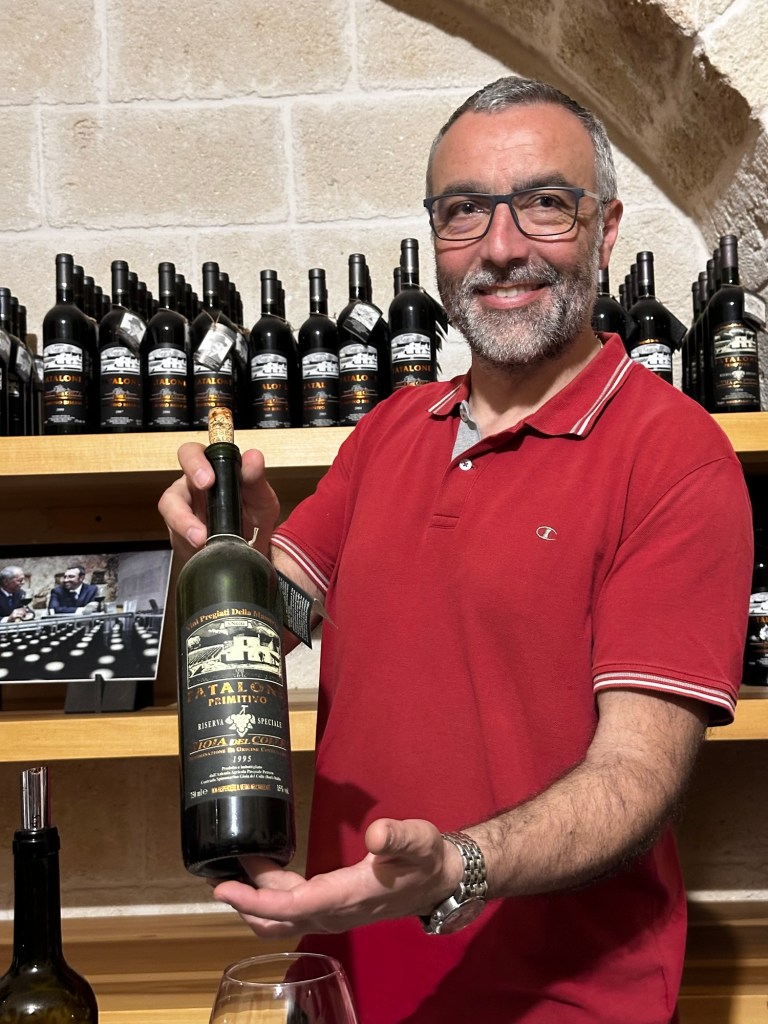
At Giuliani Vini, mature Primitivo from 2001 and 1999 revealed dried fruit, plum, leather, balsamic notes, and finely integrated tannins, demonstrating how gracefully these wines can evolve over decades.
The experience challenged many of the assumptions surrounding Primitivo. While the variety shares its genetic identity with Zinfandel, the finest Gioia del Colle examples bear little resemblance to the overly ripe, jammy styles sometimes associated with either grape.
Here, altitude, limestone, careful farming, and restrained winemaking produce wines with freshness, texture, and a clear regional identity.
Perhaps equally appealing is their value. Many of these serious, ageworthy wines remain accessible in price, offering quality and complexity that compare favourably with considerably more expensive international reds.
Gioia del Colle is producing Primitivo that deserves to be recognized for its elegance and precision, not simply its power. For anyone interested in discovering a different expression of this familiar variety, it is a region well worth exploring.
Collio: Rethinking Italy’s Great White Wines
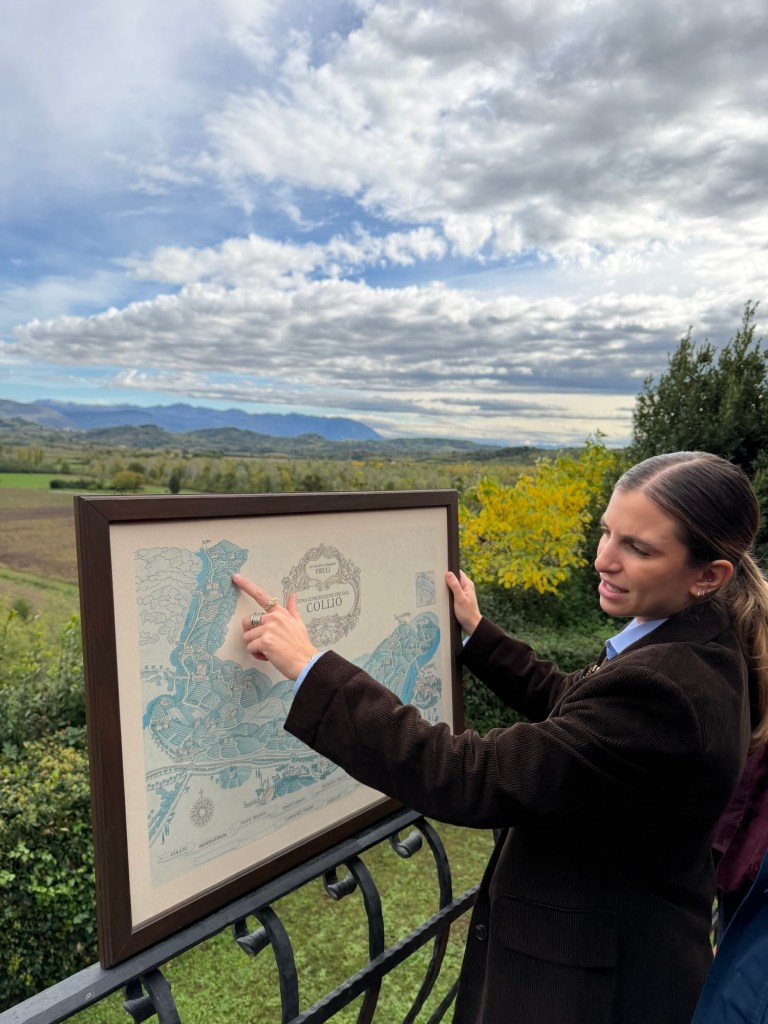
Collio has become one of my favourite Italian wine regions. Having spent considerable time exploring its vineyards, meeting producers, and discovering its wines and culinary traditions, I’ve developed a strong appreciation for this beautiful corner of northeastern Italy.
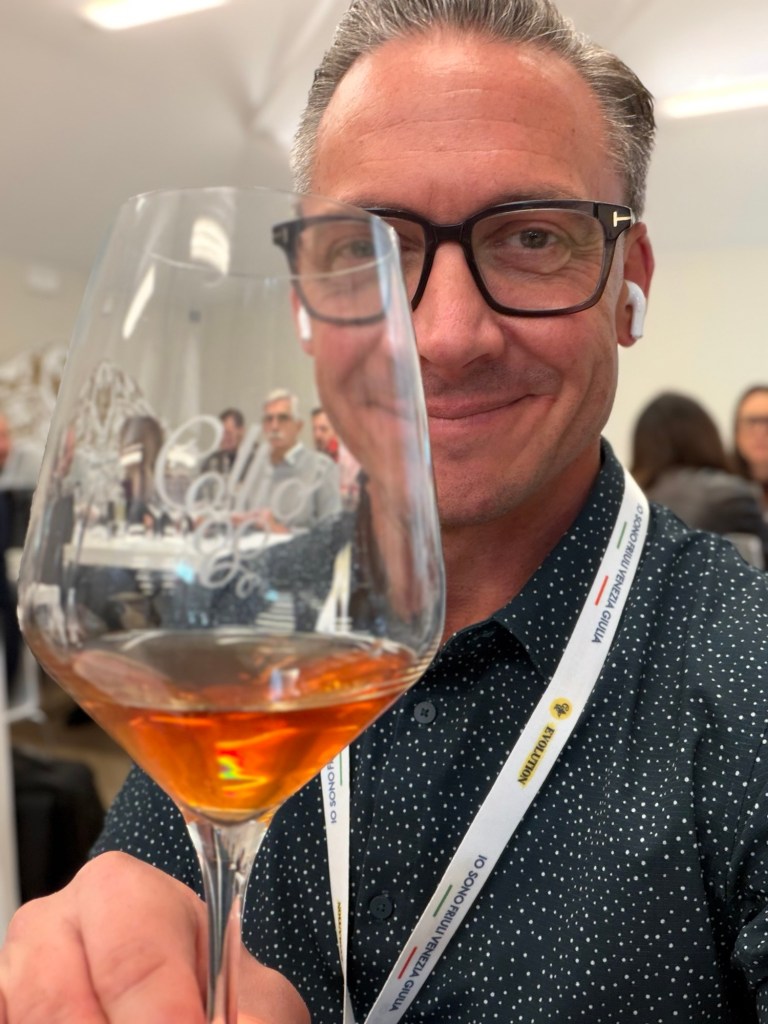
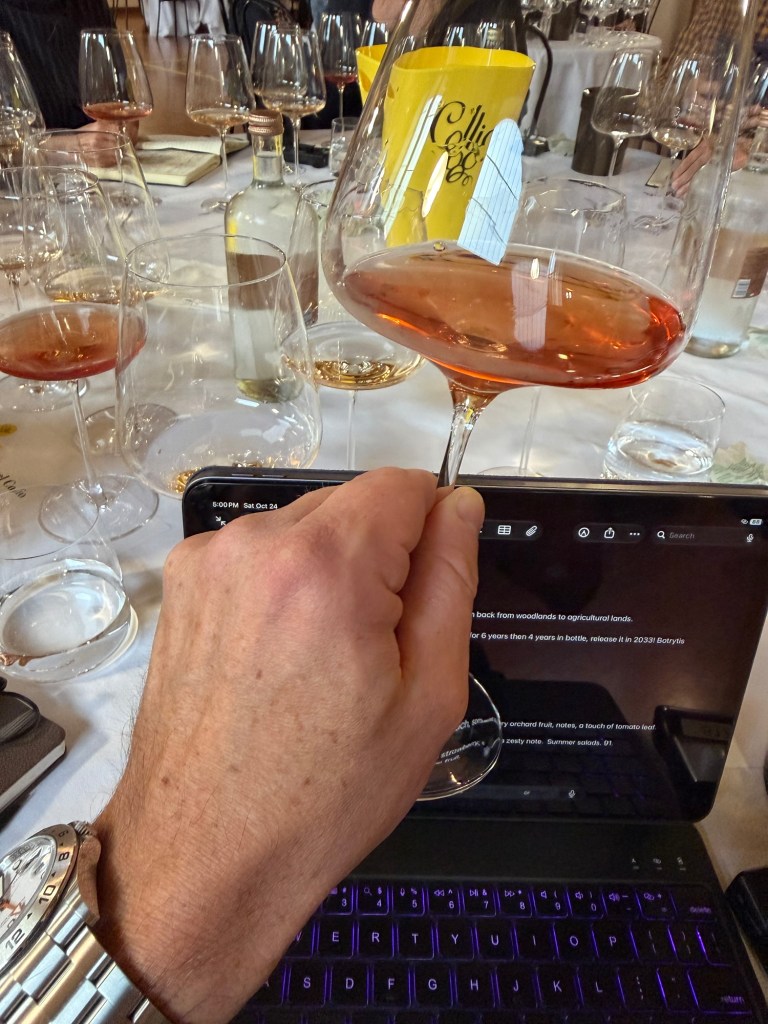
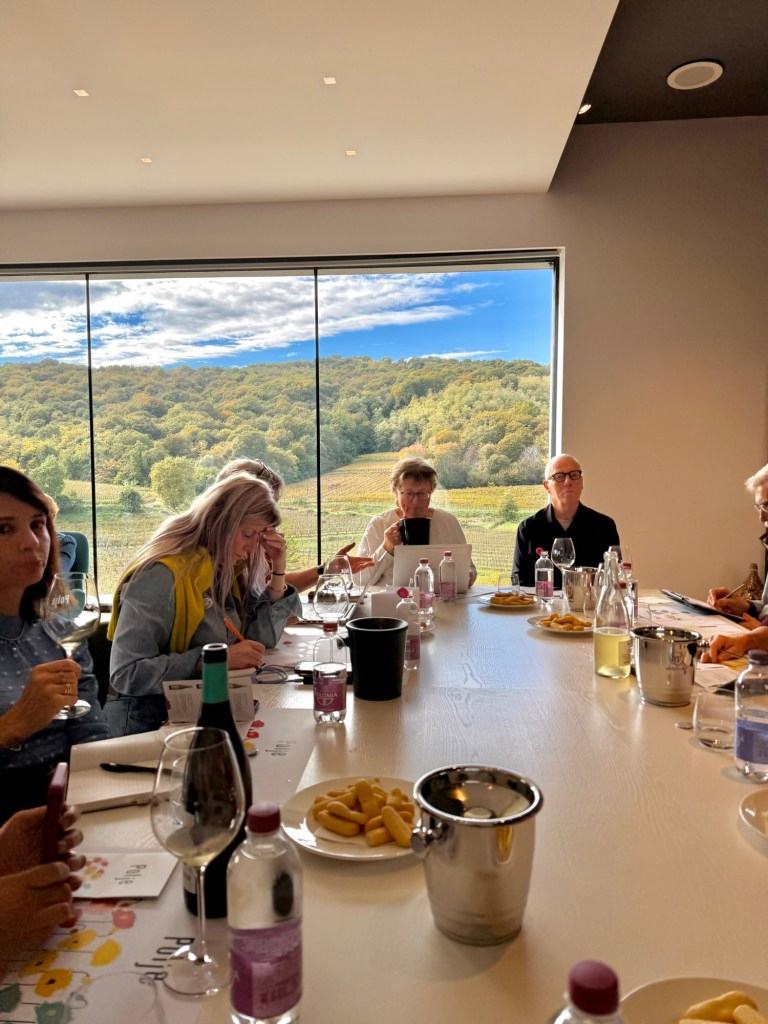
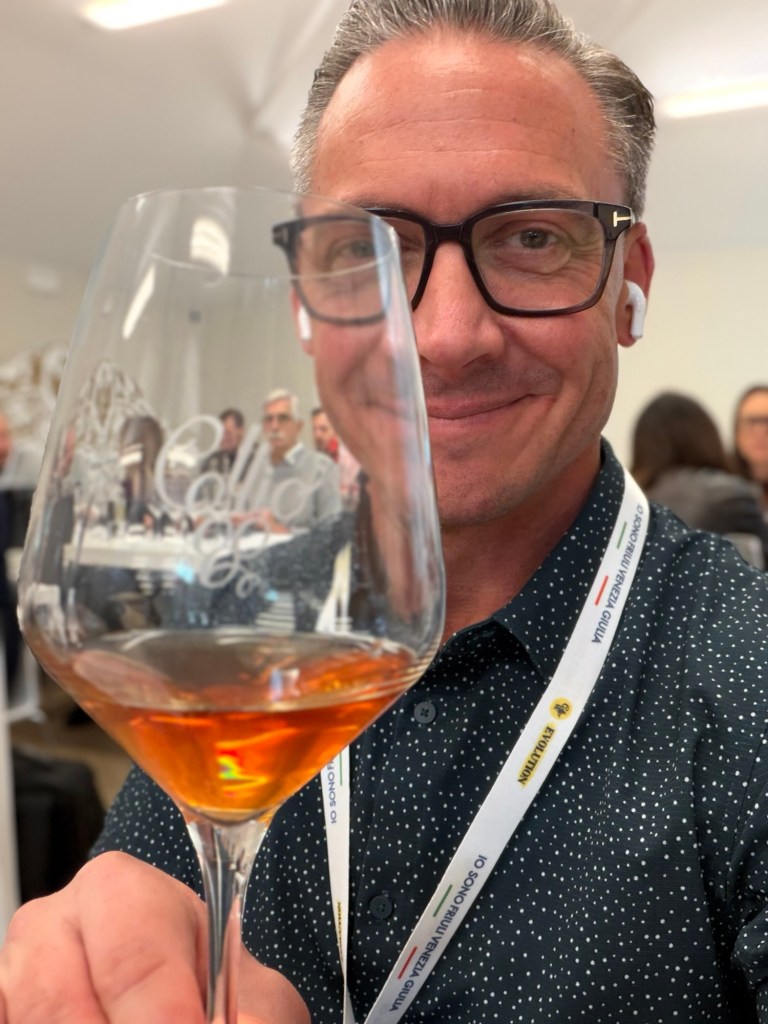
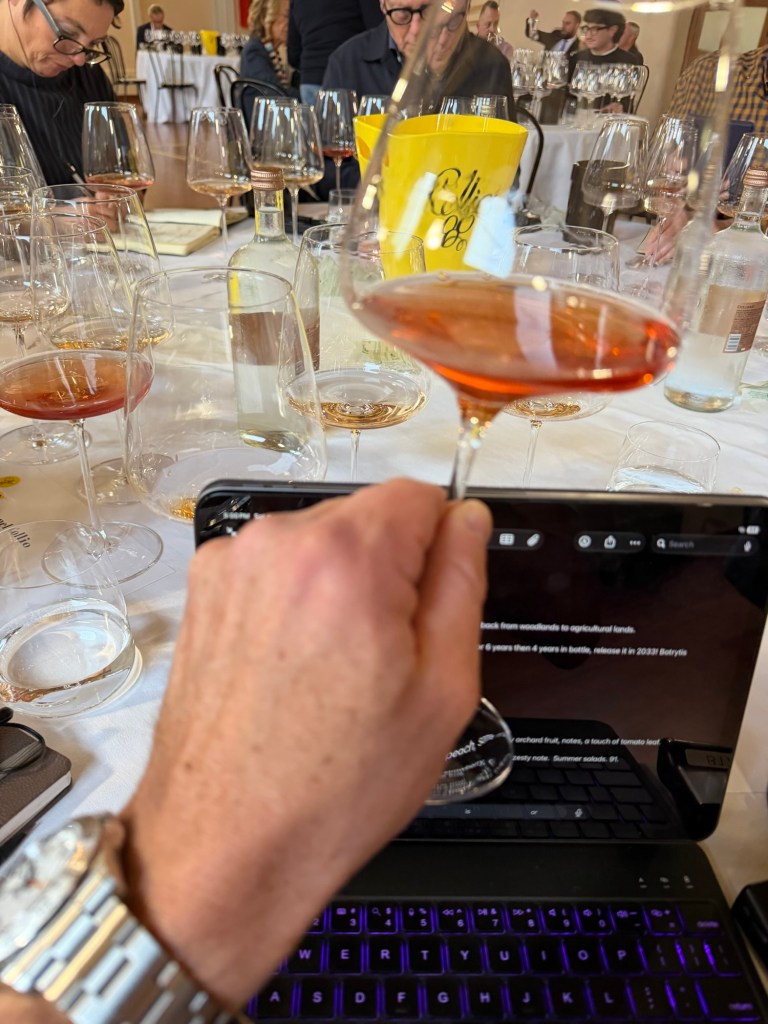
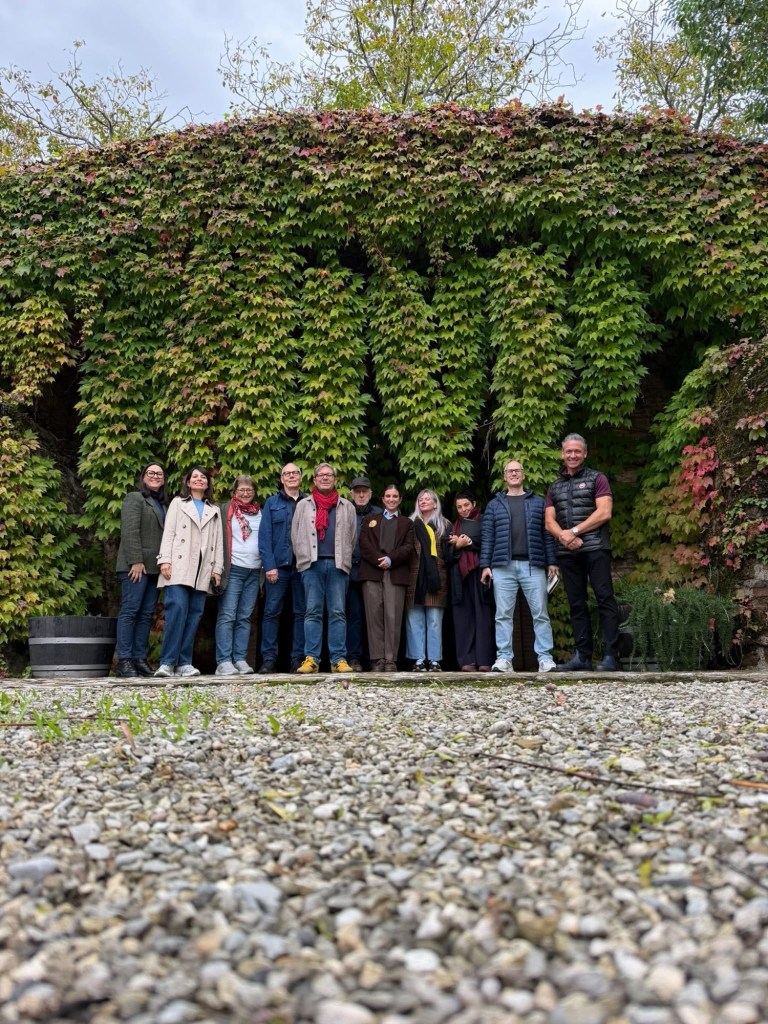
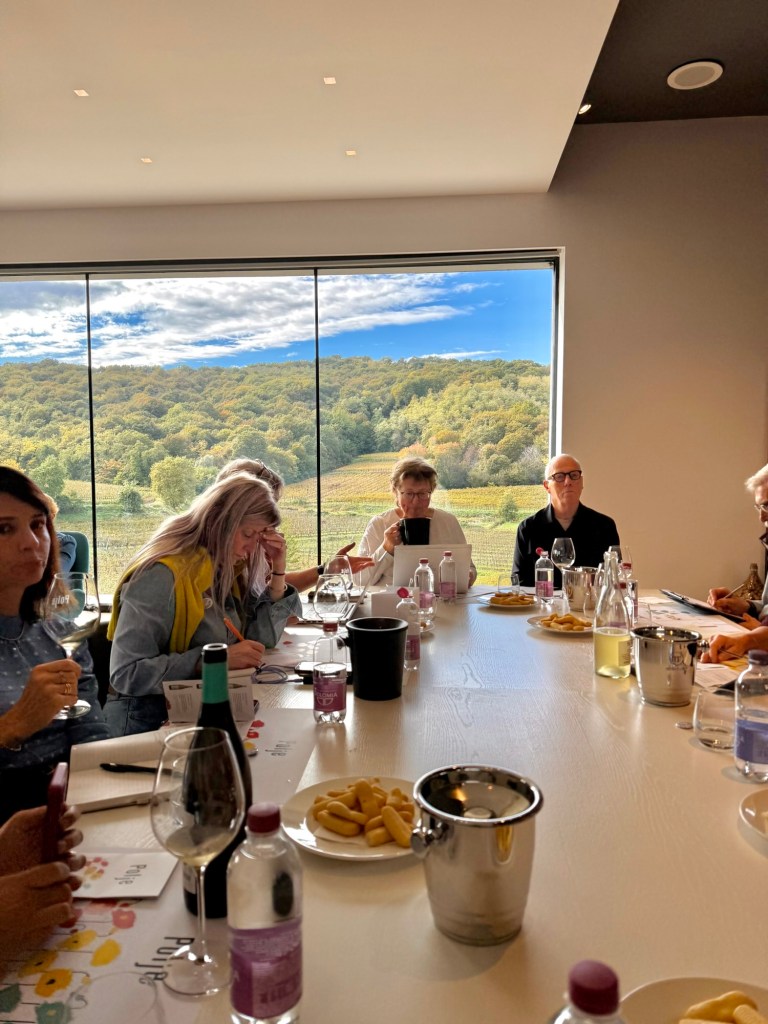
Returning in October for Collio Evolution 2026, dedicated this year to Pinot Grigio, provided one of the most revealing tastings of my travels.
I encountered virtually every imaginable shade, from pale straw and brilliant gold to onion skin, salmon pink, copper, amber, and deep ruby-garnet. Some wines were directly pressed, while others underwent extended skin contact or fermentation on the skins, producing striking differences in colour, texture, tannins, and flavour.
Despite this diversity, the strongest examples shared an important characteristic: structure and the capacity to age.
Collio’s distinctive ponca soils, composed of alternating layers of marl and sandstone, contribute to the mineral character associated with many of the region’s wines. Combined with Alpine and Adriatic climatic influences, the conditions support white wines with texture, freshness, and considerable longevity.
One of the most memorable discoveries was Muzic Pinot Grigio 1999 (94 points). At 27 years old, it remained vibrant, with golden-yellow colour, yellow apple, toasted almonds, delicate florals, and a creamy palate. Its freshness and intact structure challenged the common assumption that Pinot Grigio is best consumed young.
Renato Keber Pinot Grigio Riserva 2020 — 96+ points
Quite possibly the finest Pinot Grigio I’ve tasted. Pale gold in colour, it delivered layered aromas of citrus zest, yellow apple, seashell minerality, Mediterranean herbs, and delicate spice. The palate was sophisticated and beautifully integrated, reflecting the estate’s emphasis on extended maturation before release.


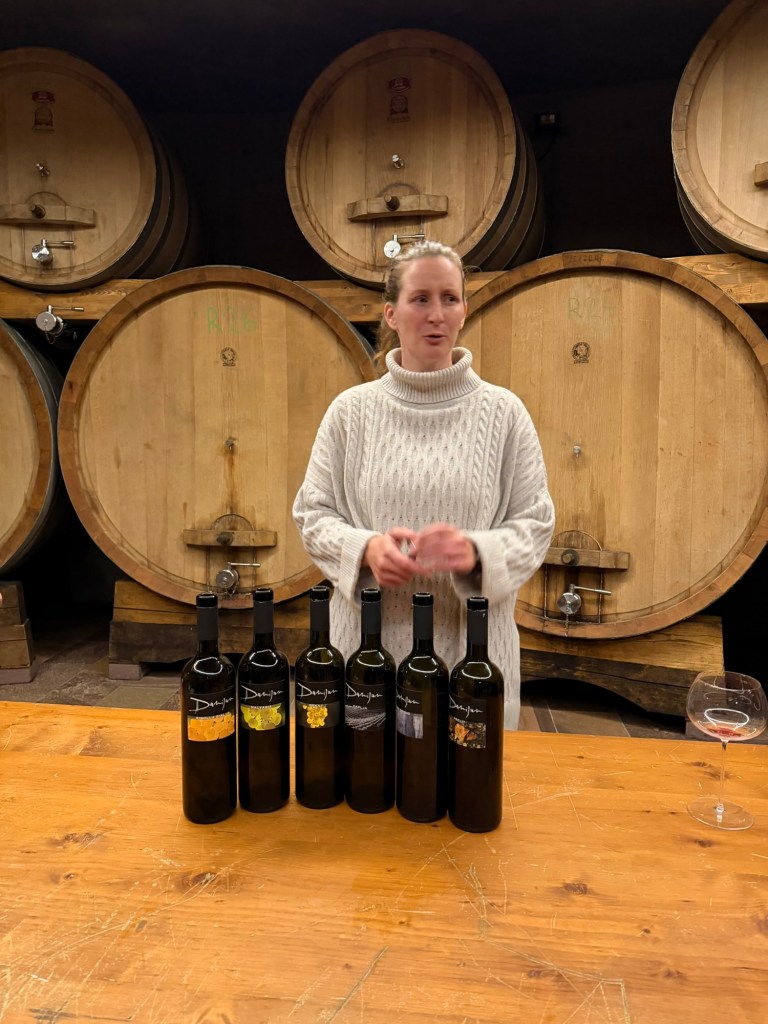
At the opposite end of the stylistic spectrum, Damijan Podversic Pinot Grigio 2023 (96+ points) showed what this variety can achieve through extended skin fermentation. Deep ruby-garnet in colour, it offered savoury red fruit, pomegranate, Mediterranean herbs, balsamic complexity, and substantial yet integrated tannins. More reminiscent of a structured red wine, it has the concentration and freshness to evolve over decades.
Among the more restrained expressions, Raccaro Pinot Grigio 2025 (94+ points) stood out for its elegance, crisp stone fruit, sea-breeze character, seashell minerality, and long, saline finish.
Beyond Pinot Grigio, Collio’s Friulano and Ribolla Gialla continued to impress.
Polje Friulano 2022 (95 points), sourced from vines planted in 1948, combined matchstick reduction, mineral intensity, and a salty finish. Tenuta Stella Ribolla Gialla Riserva 2018 (95 points), fermented on its skins for 30 days, offered savoury complexity, distinctive iced-tea notes, and integrated tannins.
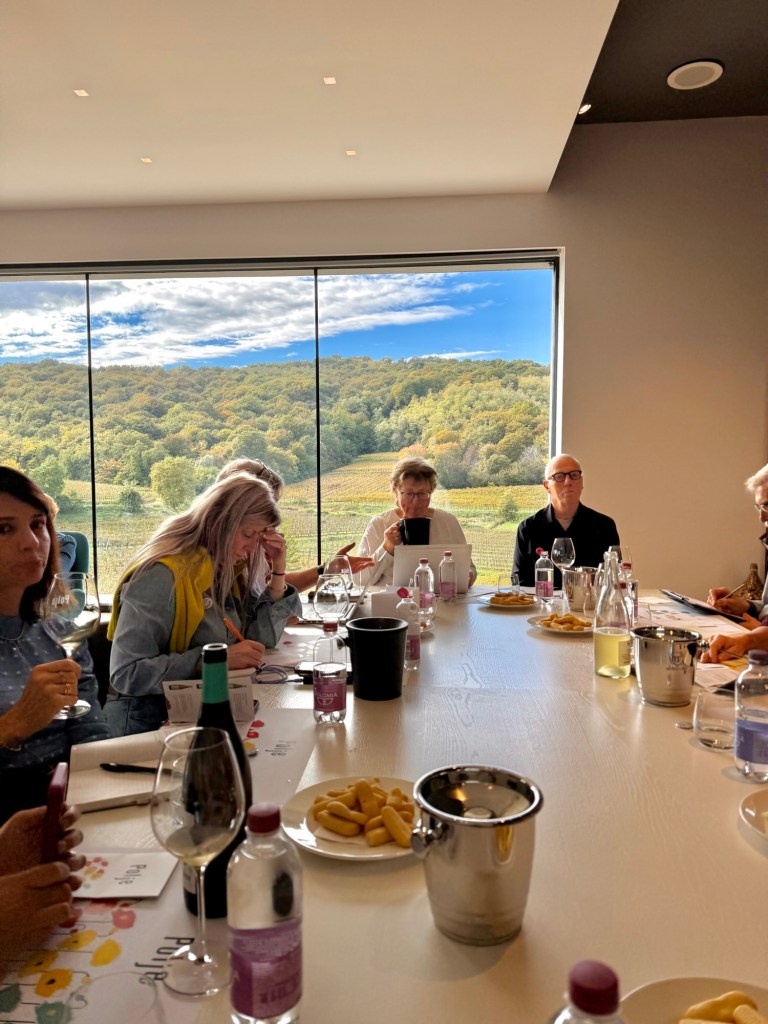
Another highlight was Venica & Venica Ronco delle Cime Friulano 2012 (96 points), a beautifully mature wine with evolved orchard fruit, beeswax, delicate pastry notes, and persistent freshness.
Collio Evolution challenged conventional perceptions of Pinot Grigio. In this region, the variety can produce everything from delicate, mineral-driven whites to deeply coloured, tannic wines intended for extended cellaring.
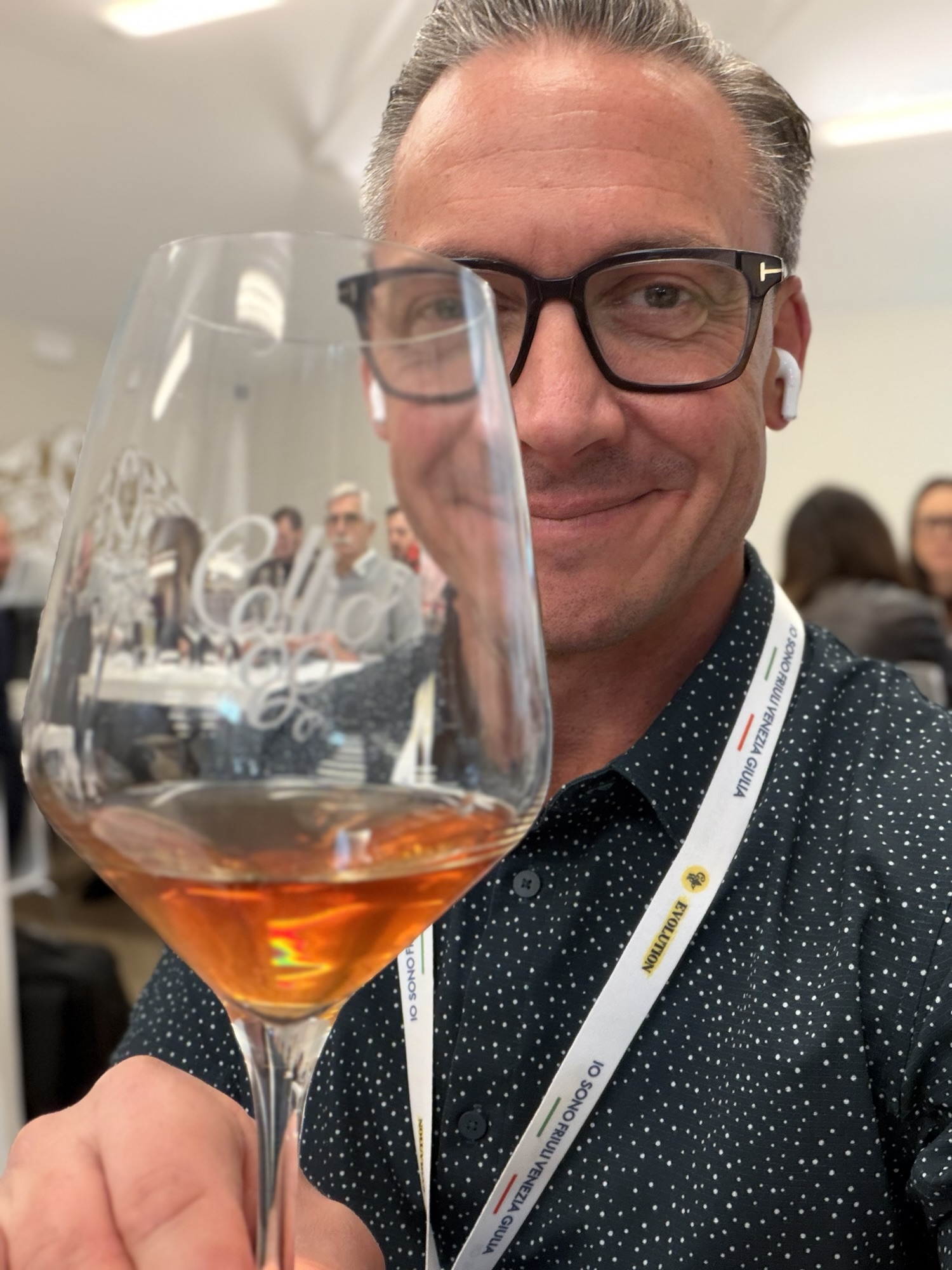
For wine enthusiasts interested in serious, ageworthy Italian whites, Collio deserves far more attention.
Read more: Friulano: The Grape at the Heart of Collio DOC
Valpolicella: A Living Wine Culture and the Evolution of Amarone
Valpolicella is another region I’ve come to know well, and one that continues to reveal new dimensions with every visit.
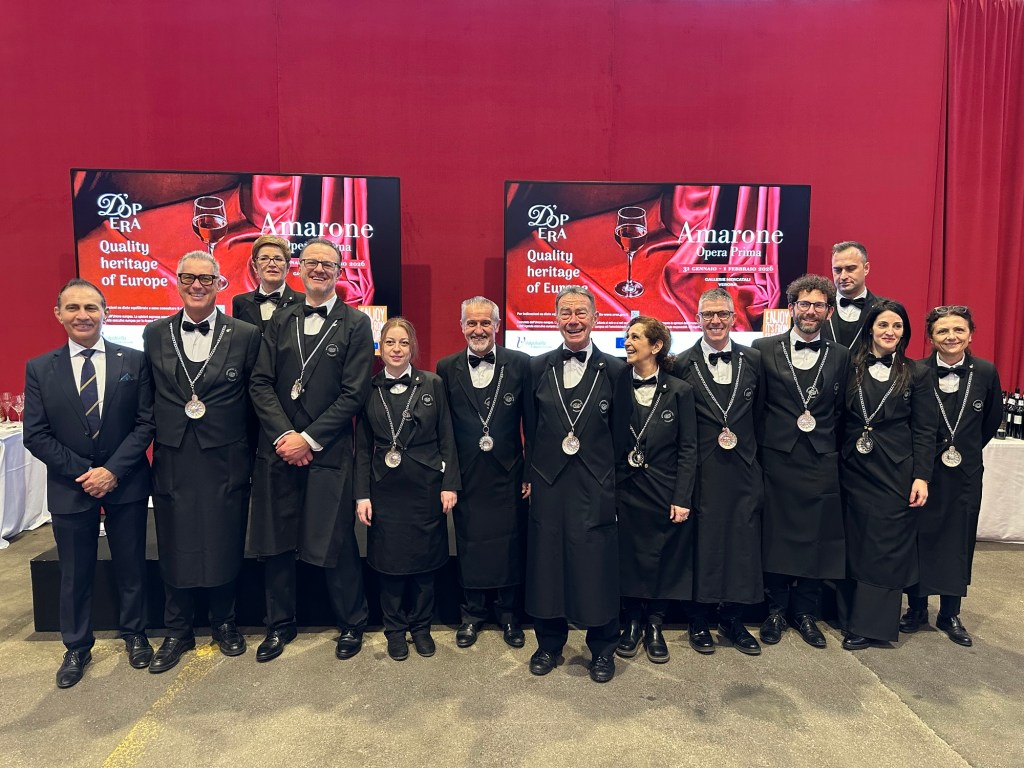
Returning to Verona for Amarone Opera Prima 2026 provided an opportunity to explore the newly released 2021 vintage, reconnect with producers, and examine how the appellation is evolving while preserving its traditions.
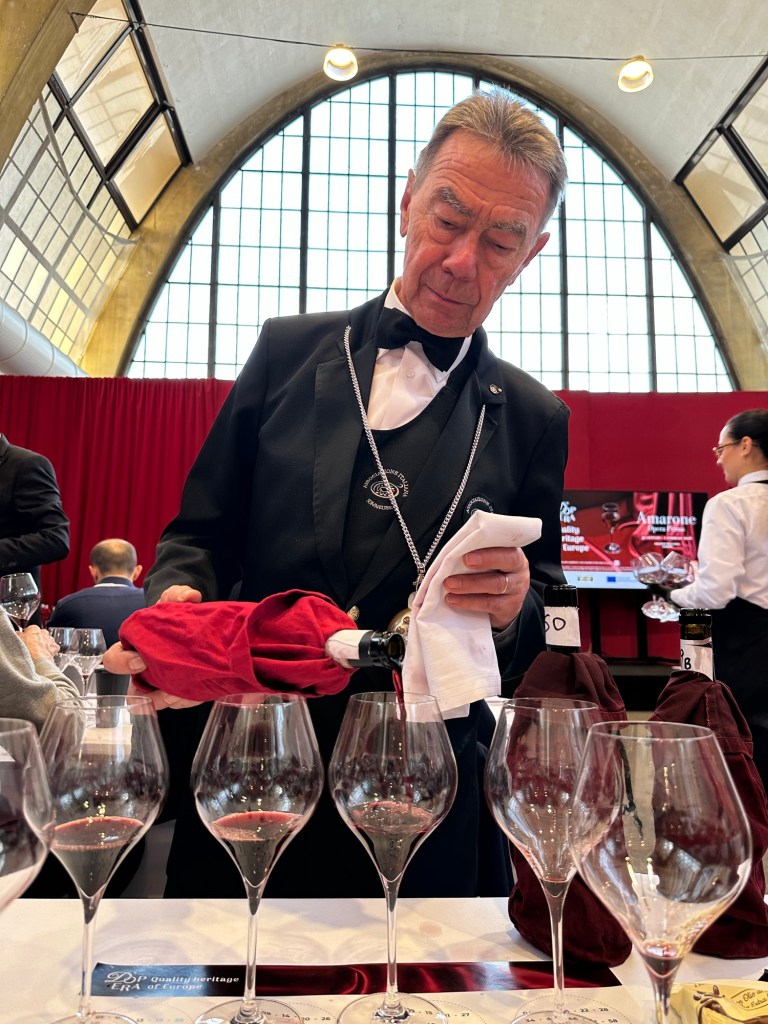
One of the most thought-provoking experiences was a masterclass led by JC Viens, Back to the Future – Valpolicella 2030, which examined the region through six defining symbols: appassimento, Valpolicella Superiore, Ripasso, the traditional pergola vineyard system, Amarone’s longevity, and Recioto, the ancestral wine from which Amarone evolved.
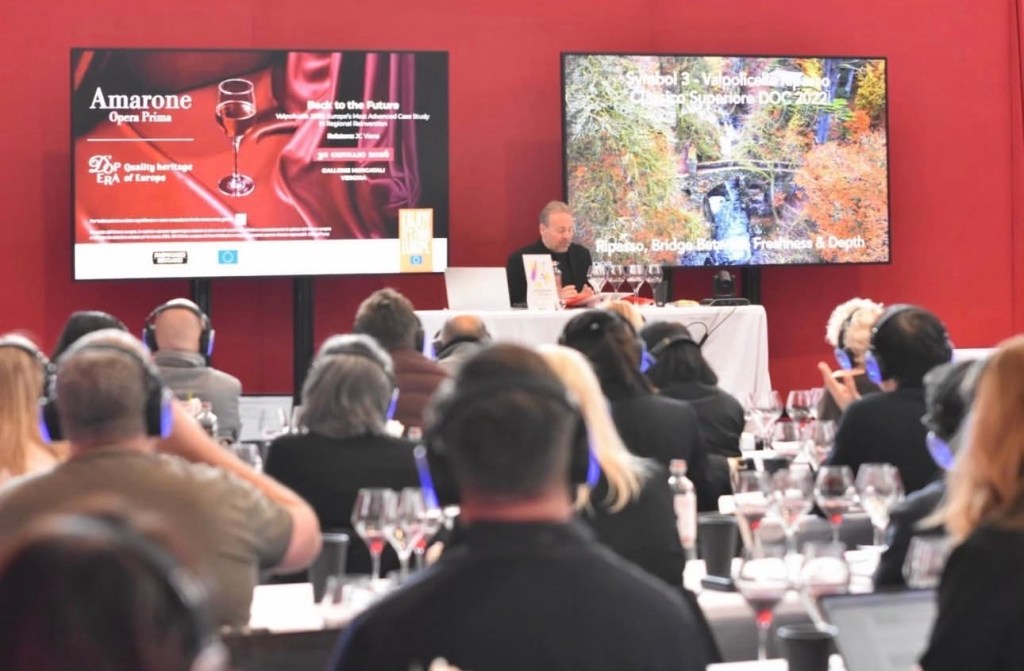
Together, they illustrated how Valpolicella’s wines are interconnected expressions of the same native varieties, vineyards, and generations of accumulated knowledge.
From fresh, vibrant Valpolicella to the greater depth of Superiore, the second fermentation of Ripasso, the concentration of Amarone, and the historic sweetness of Recioto, each wine reflects a different part of the region’s culture.
Particularly interesting was the renewed appreciation for Valpolicella’s traditional pergola vineyard architecture. Once considered outdated, this training system is increasingly recognized for its ability to protect grapes from excessive sun exposure, moderate ripening, and preserve freshness in a warming climate.
Similarly, appassimento, the careful drying of selected grapes for 90 to 120 days or longer, represents more than a production technique. It is a cultural practice requiring knowledge of grape selection, ventilation, humidity, and time. The region’s pursuit of UNESCO Intangible Cultural Heritage recognition reflects the importance placed on preserving these traditions.
Amarone 2021: A Vintage of Elegance and Balance
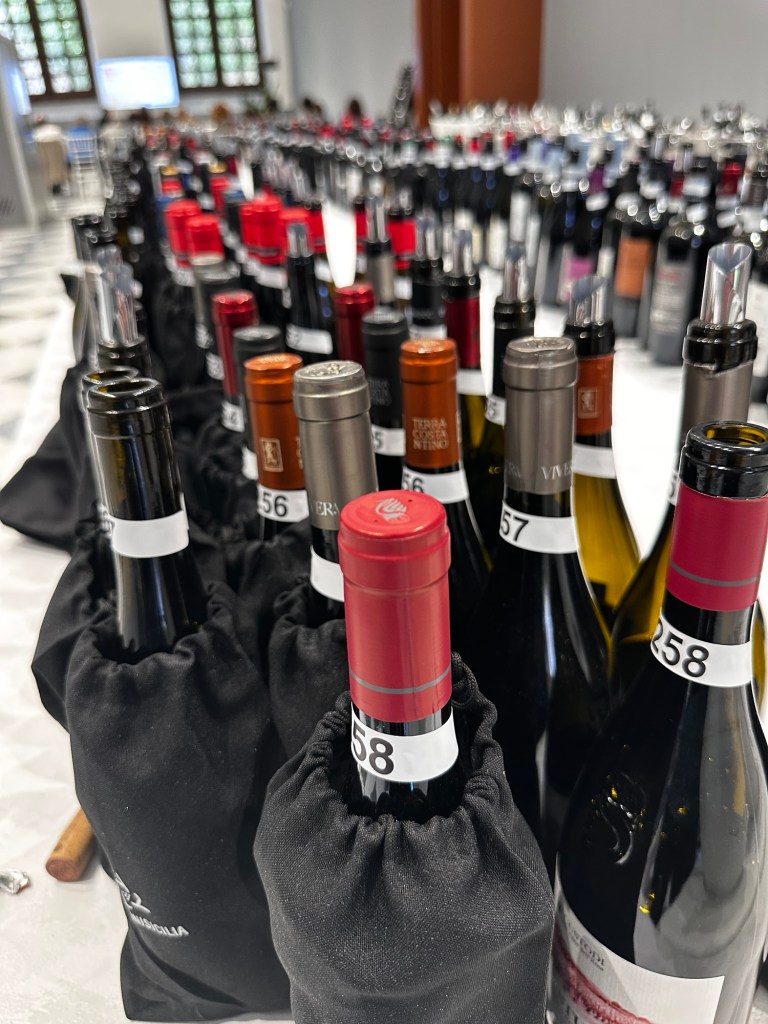
My blind tasting of 68 Amarone della Valpolicella DOCG 2021 wines offered a detailed look at the vintage.
The growing season presented challenges, including a cold spring, localized frost, summer heat, and drought. Favourable September conditions ultimately allowed healthy grapes to reach good maturity, while a cooler autumn supported slow, even drying during appassimento.
The resulting wines frequently combined concentration with freshness.
Across the tasting, I encountered dried cherry, dark plum, fig, Mediterranean herbs, balsamic notes, spice, and graphite. The most successful examples carried these flavours with lively acidity, refined tannins, and aromatic clarity.
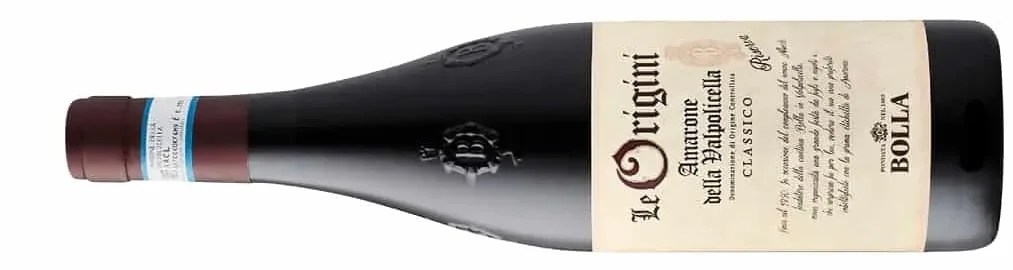
Bolla Amarone Classico Riserva Le Origini 2021 — 96+ points
Among the finest wines of the vintage. Dried dark fruit, plum, earthy balsamic complexity, and spice were supported by fine tannins and excellent balance. Full-bodied yet graceful, it was one of my top-value recommendations.
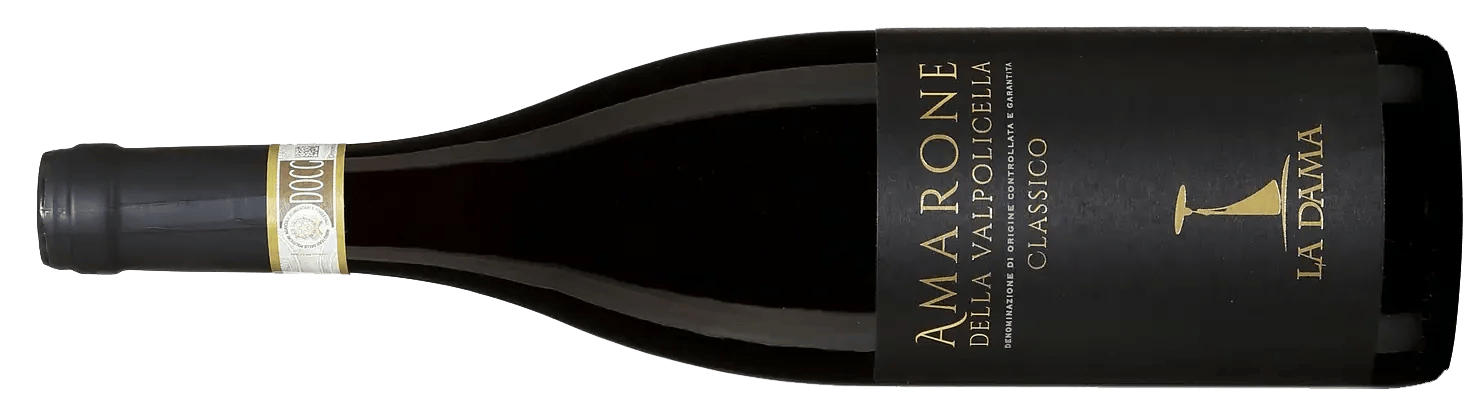
La Dama Amarone Classico 2021 — 96 points
Another standout, with concentrated dark plum, ripe fig, balsamic herbs, and spice. The palate combined intensity with freshness and a long, expressive finish. A second top-value recommendation.
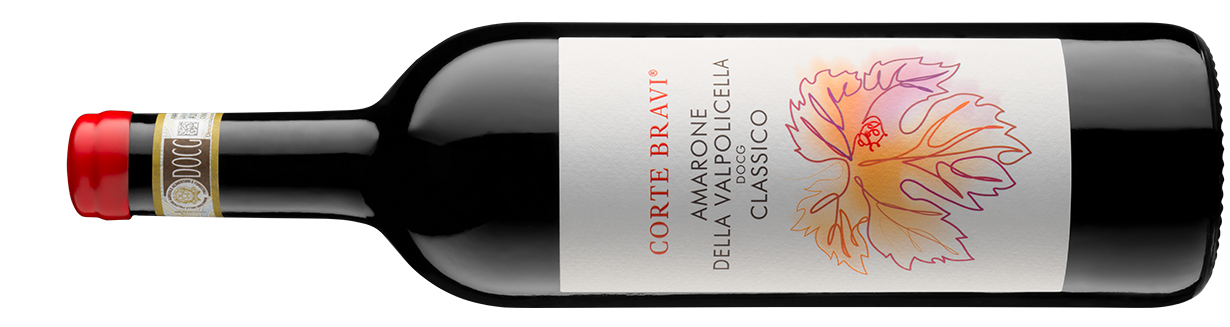
Corte Bravi Amarone Classico 2021 — 95+ points
A distinctive and fragrant expression of dried cherry, mint, and meadow herbs, with vibrant acidity and a lively fruit profile. One of the more individual wines of the tasting.
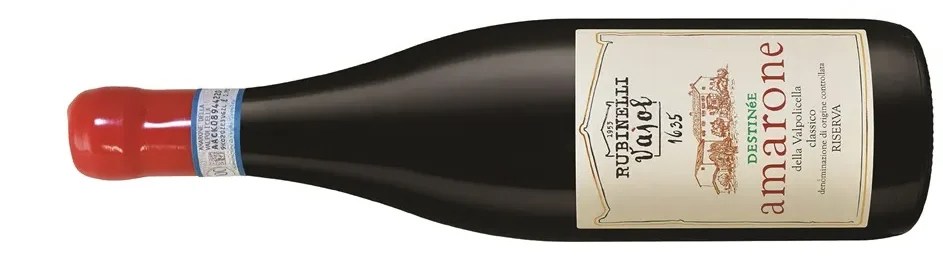
Rubinelli Vajol Amarone Classico 2021 — 95+ points
Layered plum, fig, dark fruit, and balsamic herbs were supported by fine structure and a refreshing palate. A polished interpretation of traditional Amarone, matured in large oak casks.
Le Guaite di Noemi Amarone 2021 — 95+ points
A savoury, expressive wine combining blackberry, dried fig, spice, and graphite minerality, with depth and youthful structure.

Other notable wines included Fattori Amarone Riserva 2021 (95 points), with savoury herbs, plum, spice, and lively tannins; Flatio Amarone Classico 2021 (95 points), a traditional, dry, firmly structured wine with refreshing cherry and plum; and Novaia Corte Vaona Amarone Classico 2021 (95 points), offering cherry, violet, and savoury complexity.
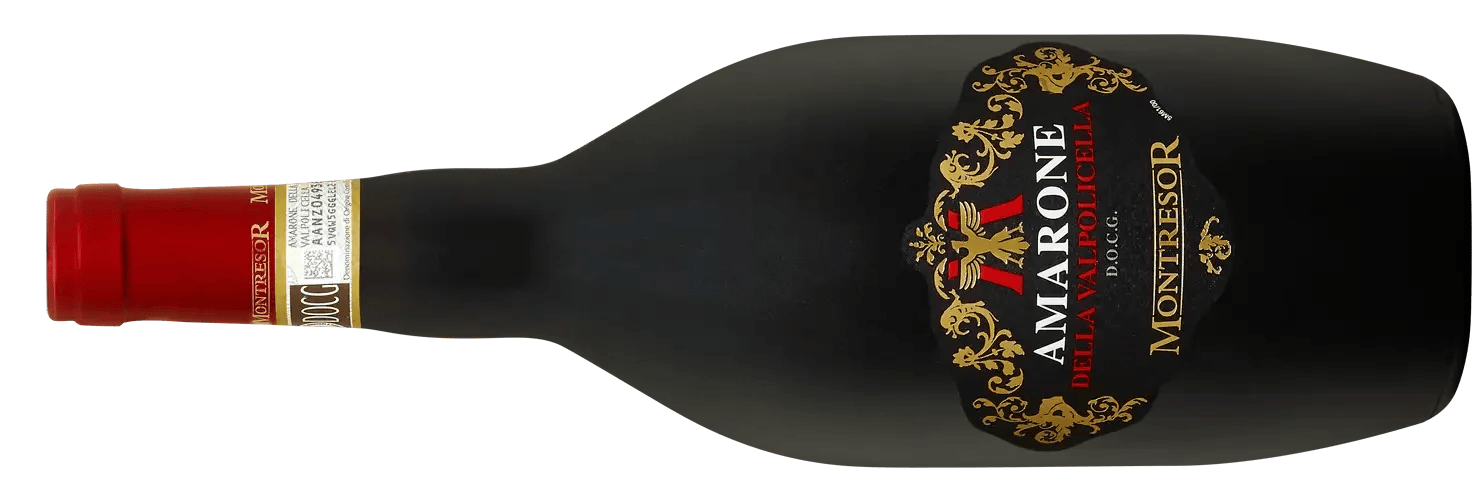
Cantine Giacomo Montresor Amarone 2021 (93 points) also stood out for its value, delivering expressive plum, spice, graphite, and a distinctive grappa-like aromatic character.
Overall, 2021 is a vintage I would buy with confidence, particularly from producers emphasizing freshness, savoury complexity, and restrained oak. Many wines are already approachable, while the more structured examples should benefit from additional cellaring.
Historic Families of Amarone: The Beauty of Ageing
A separate tasting featuring the Historic Families of Amarone provided another perspective, exploring established estates and mature vintages spanning 2013 to 2021.
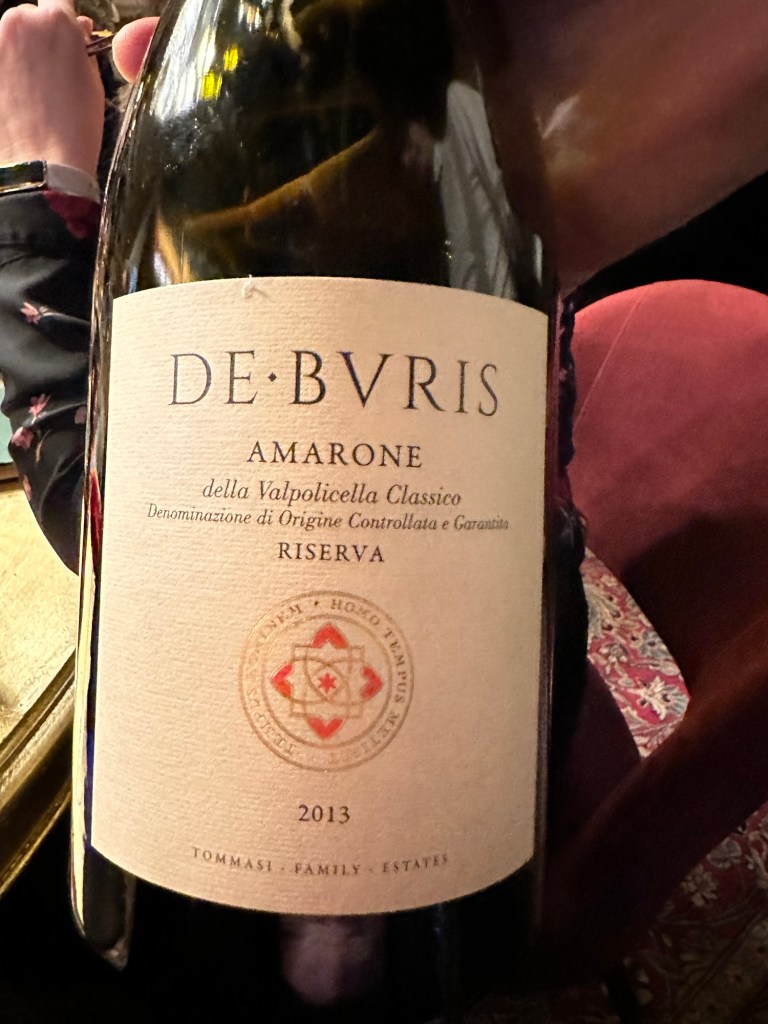
The highlight was De Buris Amarone Classico Riserva 2013 (97+ points), from the La Groletta vineyard. Dried dark fruit, leather, spice, balsamic nuances, and tobacco were complemented by fine-grained tannins and freshness. Following five years of maturation in large oak casks, this was one of the finest Amarones I’ve tasted.
Other notable wines included Begali Lorenzo Monte Ca’ Bianca Riserva 2019 (95+ points), Brigaldara Amarone Riserva 2016 (95+ points), and Masi Campolongo di Torbe 2015 (95+ points), each demonstrating depth, balance, and ageing potential.
Speri Sant’Urbano 2020 (95 points) stood out for its freshness and saline character, while Tedeschi Monte Olmi Riserva 2018 (95 points) showed the concentration and structure associated with this historic vineyard.
The classical restraint of Bertani Amarone 2016 (94+ points), matured for seven years in large Slavonian oak casks, illustrated how patient maturation contributes to Amarone’s longevity.
Dal Forno Romano: A Pursuit of Perfection
Another highlight was visiting Dal Forno Romano in Val d’Illasi, where second-generation winemaker Marco Dal Forno shared the story of his father’s rise from humble beginnings to international recognition.
Romano Dal Forno initially considered becoming a city bus driver before pursuing winemaking. Unable to afford new bottles in his early years, he collected discarded bottles from restaurants to package his wine.
After meeting Giuseppe Quintarelli in 1983, Romano developed a philosophy centred on meticulous viticulture, innovation, and attention to detail.
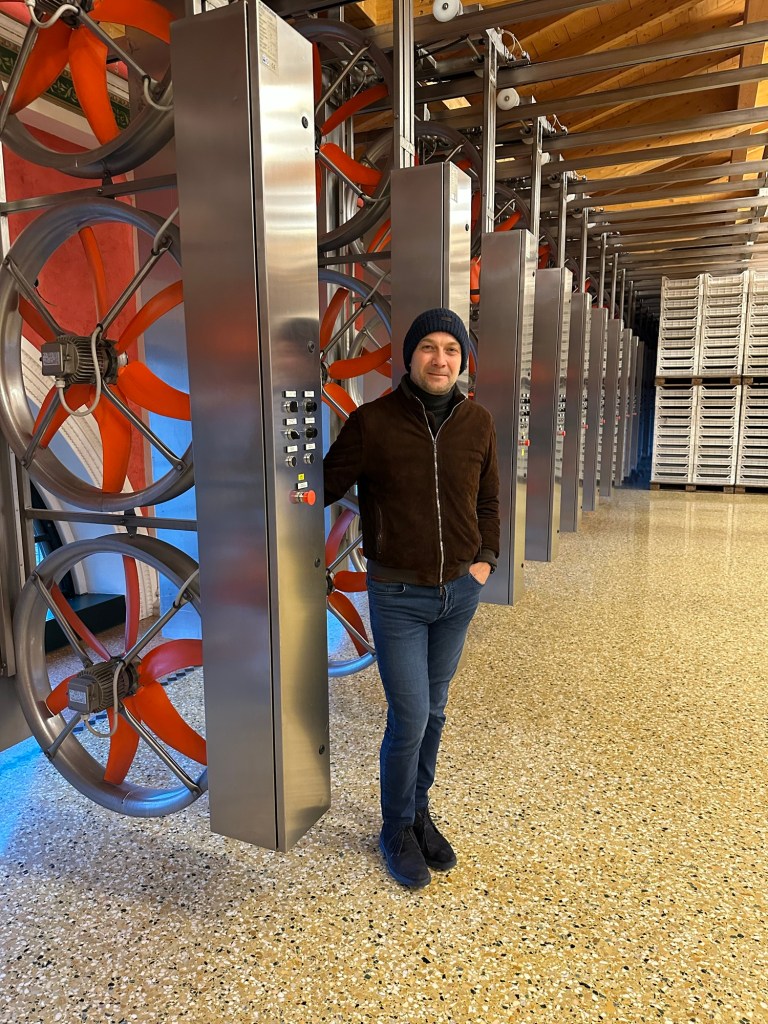
Today, the estate’s approach extends from vineyards planted at densities approaching 12,800 vines per hectare to carefully controlled appassimento and maturation. Marco explained that producing one bottle of their Amarone requires grapes from approximately thirteen vines.
The resulting wines were among my highest-rated of the year.
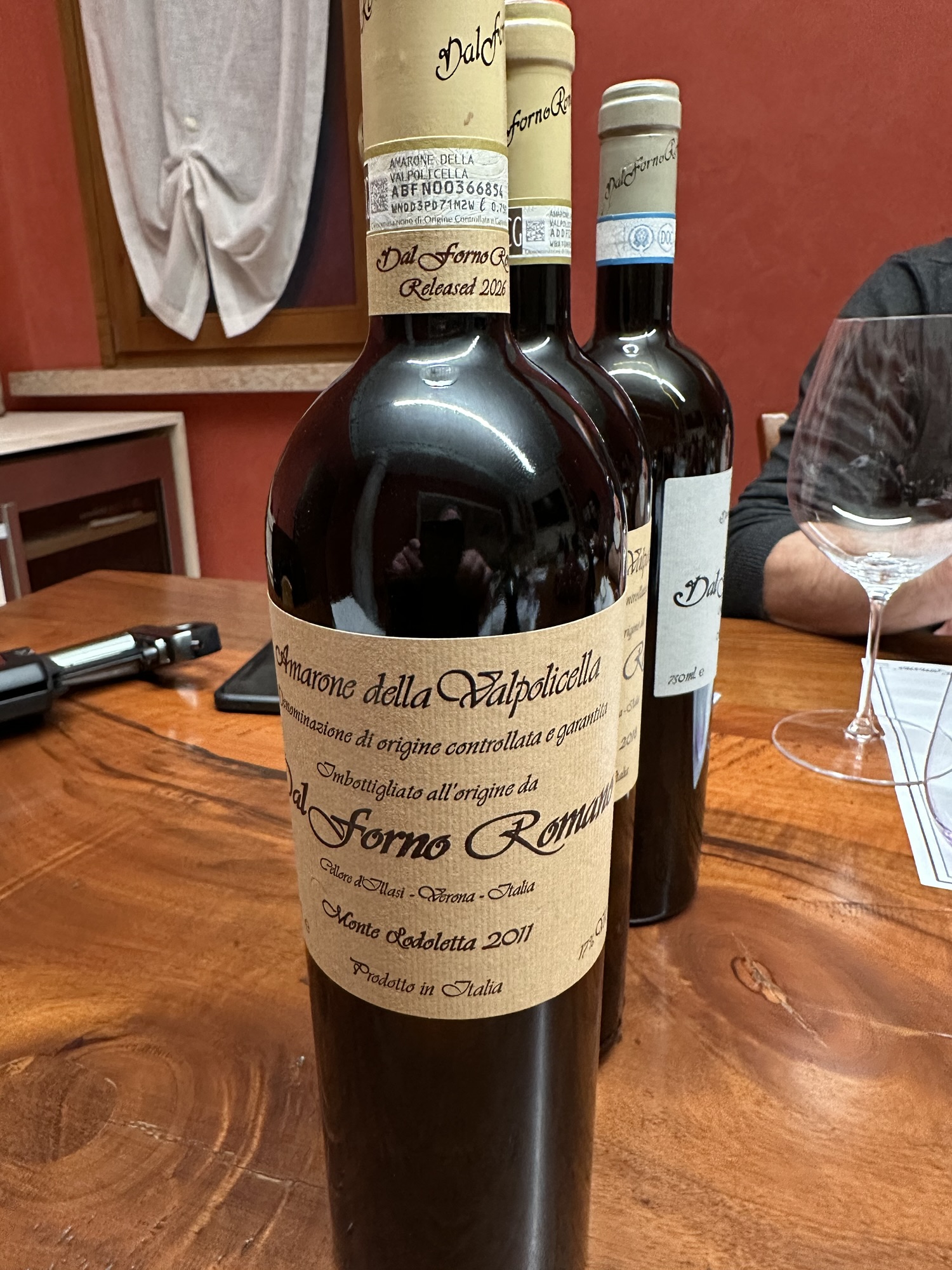
Dal Forno Romano Amarone 2011 — 99+ points
One of the finest Amarones I’ve tasted. Still remarkably youthful after fifteen years, it displayed concentrated dark fruit, mint, balsamic nuances, tobacco, fine dusty tannins, and refreshing acidity. Despite its 17% alcohol, the wine showed superb harmony, depth, and precision.
Dal Forno Romano Amarone 2018 — 98+ points
A contrasting expression offering blackberry, dark plum, graphite, mineral tension, and impressive purity. Concentrated yet balanced, with the structure for long-term ageing.
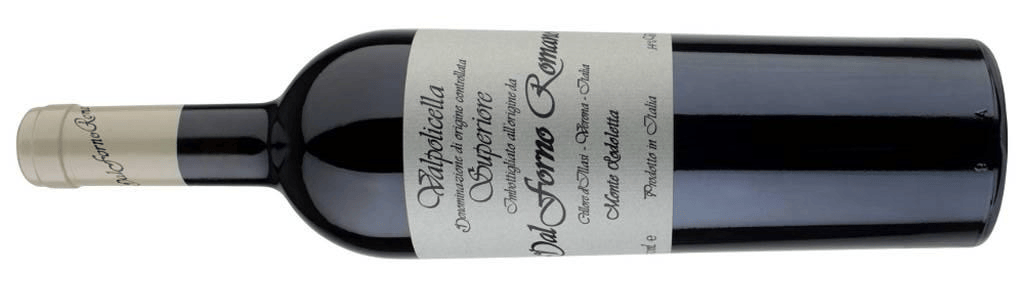
A rare Dal Forno Rosso Vino Dolce 2003 (97 points), produced in the style of Recioto, offered a glimpse into the estate’s earlier history, while the Valpolicella Superiore 2019 (96 points) challenged conventional expectations with its concentration, elegance, and integrated appassimento character.
What stayed with me from the visit was Marco’s explanation of the hundreds of deliberate decisions contributing to every bottle. The estate’s success reflects decades of experimentation, accumulated knowledge, and close attention to every stage of production.
These visits offered different perspectives on Valpolicella, from the cultural importance of pergola and appassimento to the ageing potential of traditional Amarone and the precision of Dal Forno’s approach. Together, they demonstrated how the region’s heritage continues to inform its future.
Read more:
- Amarone 2021: Valpolicella’s Living Culture and the Standout Wines of the Vintage
- Dal Forno Romano: A Pursuit of Perfection in Valpolicella
Alto Adige: Alpine Precision and Indigenous Varieties
Another memorable Italian experience came in January, when I travelled north from Verona into the Alpine landscape of Alto Adige.
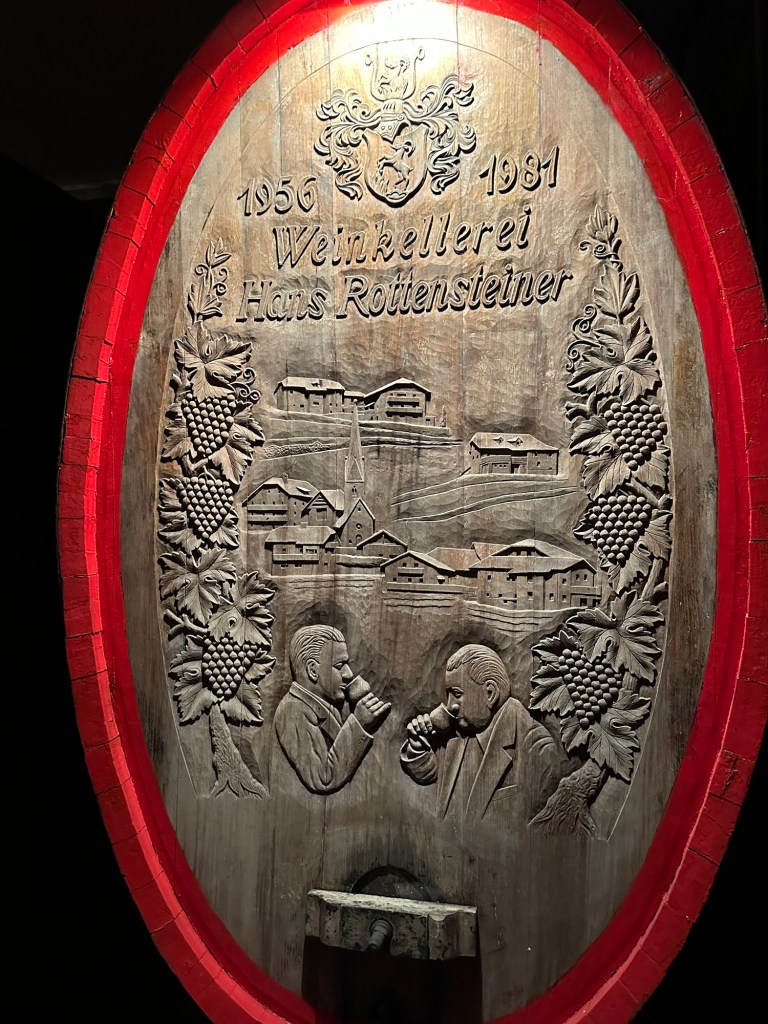
Arriving in Bolzano under fresh snowfall, I visited Rottensteiner, a family estate whose wines offered an introduction to the region’s indigenous varieties and vineyard traditions.
The contrast with Valpolicella was striking. Here, altitude, Alpine climate, and volcanic porphyry soils contribute to wines with freshness and aromatic precision.
Rottensteiner St. Magdalener Classico Select Vigna Premstallerhof 2024 (95 points) was an excellent expression of Schiava blended with a small proportion of Lagrein, offering cherry fruit, delicate spice, mineral tension, and a seamless texture.
Rottensteiner Lagrein Gries Riserva Select 2022 (94 points) impressed with dark plum, cherry, graphite, and subtle chocolate, supported by refined structure and balance.
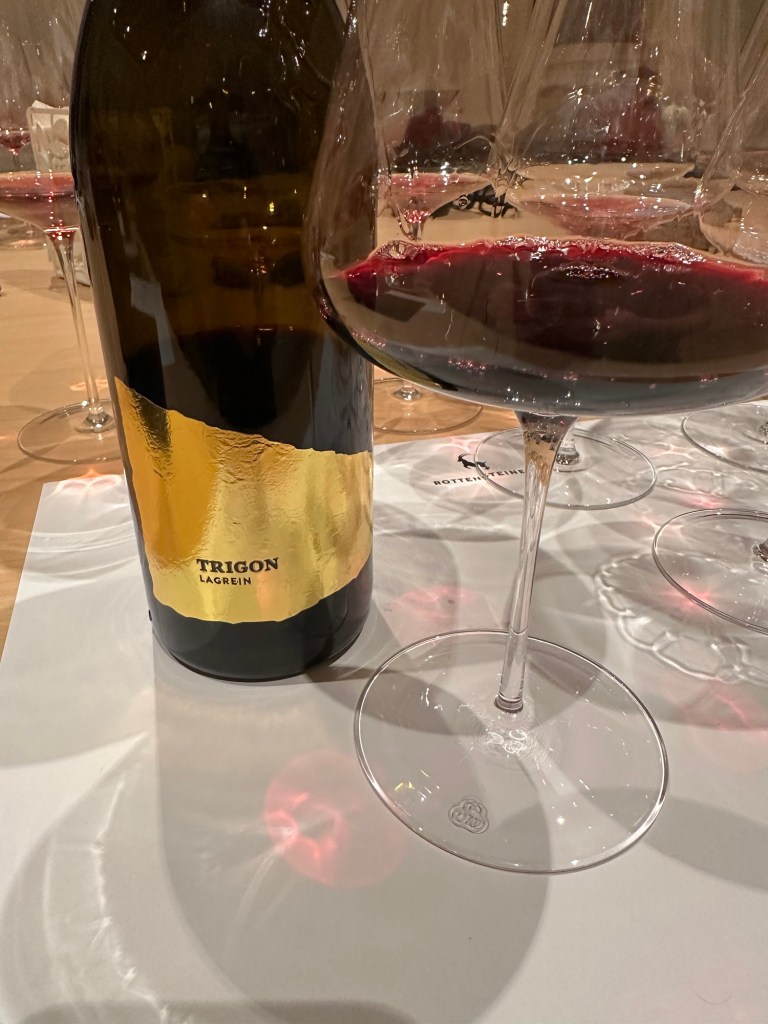
Both demonstrated the appeal of Alto Adige’s native varieties and the individuality of its vineyard sites.
Read more: Rottensteiner: Precision from the Slopes of Bolzano
Okanagan Valley: Resilience and Diversity in Canadian Wine
Returning to British Columbia’s Okanagan Valley in April, for the first time since 2022, was among the most rewarding experiences of my Canadian wine travels.
Despite severe winter conditions and significant vineyard damage in recent years, the region’s producers continue to demonstrate resilience and a commitment to quality.
Travelling from Kelowna through Naramata, Okanagan Falls, Oliver, and Osoyoos revealed the range of varieties and wine styles being produced across this geographically diverse region.
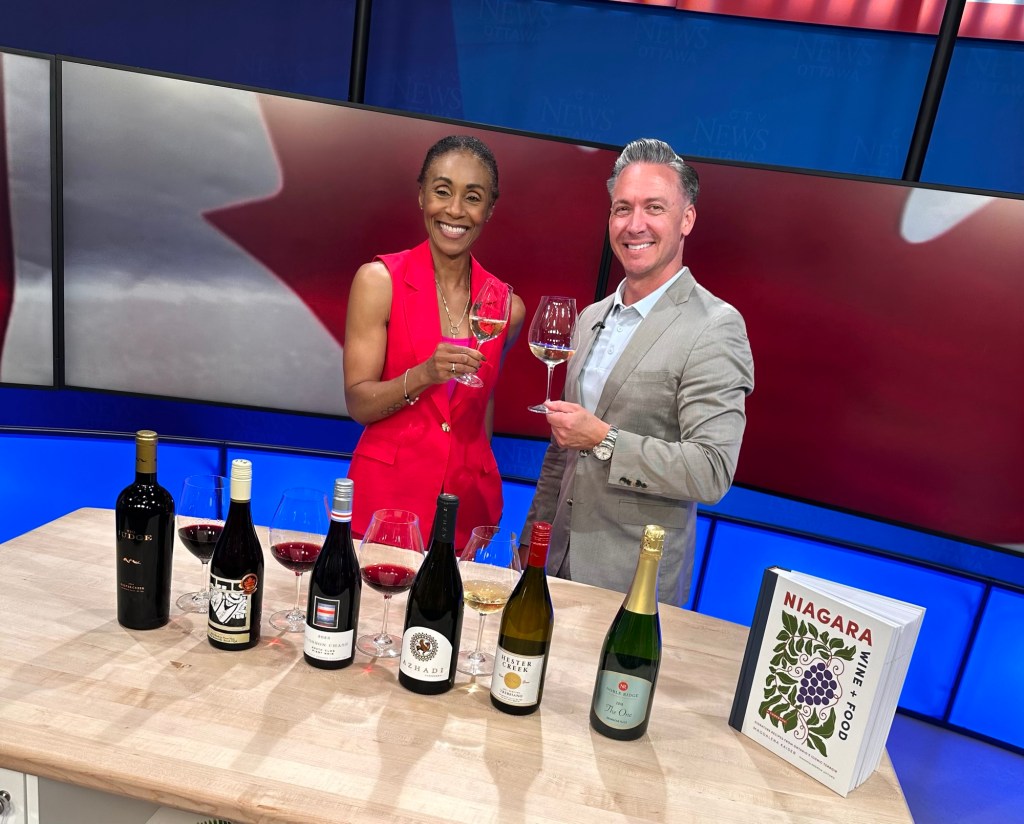
At Azhadi Vineyards, winemaker Jim Faulkner’s elegant 2023 Chardonnay demonstrated the potential for refined, textured white wines.
Farther south, Noble Ridge in Okanagan Falls provided one of my favourite examples of site-driven winemaking.
Noble Ridge The One 2019 Traditional Method Sparkling — 93+ points
Produced from Chardonnay and Pinot Noir with 67 months on lees, this sparkling wine offered citrus blossom, orchard fruit, brioche, and delicate almond notes, supported by vibrant acidity and persistent minerality. A Canadian sparkling wine worthy of attention from Champagne enthusiasts.

Continuing to the Golden Mile Bench, visits to Fairview Cellars, Intersection Estate Winery, and Hester Creek showcased the quality being achieved in the warmer southern Okanagan.
Fairview Cellars The Bear 2022 (95+ points) impressed with its concentration, polished tannins, and structure, while Intersection Estate Winery Unfiltered Merlot Appassimento 2015 (95 points) demonstrated the complexity achievable through an alternative approach to winemaking.
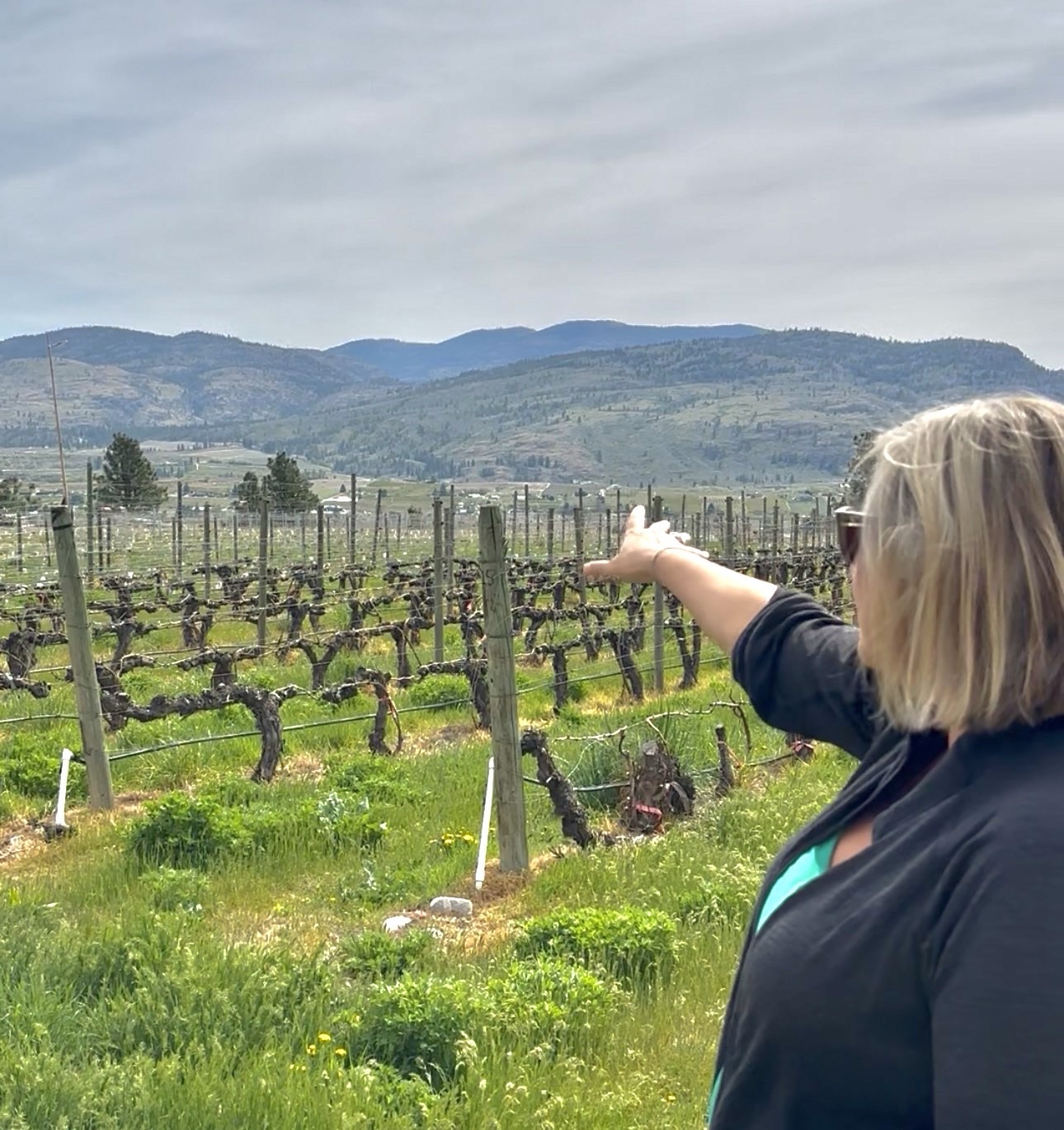
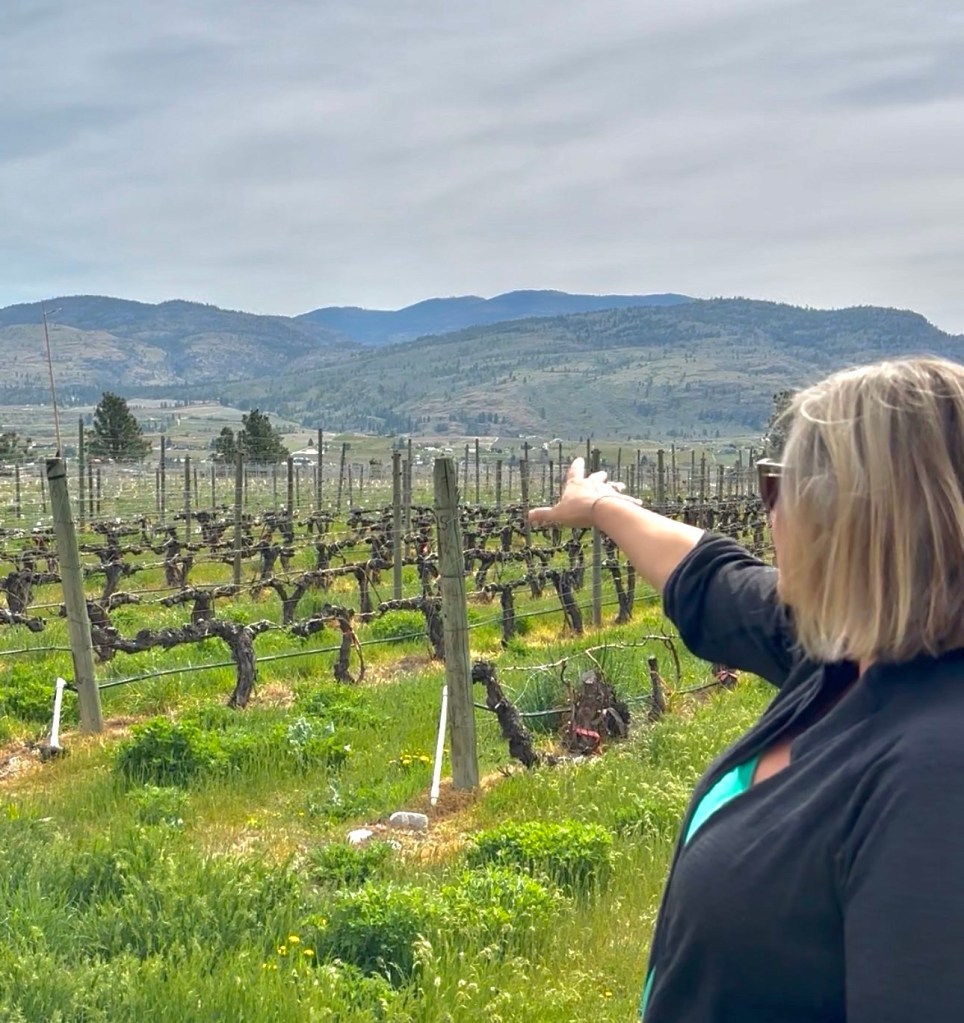
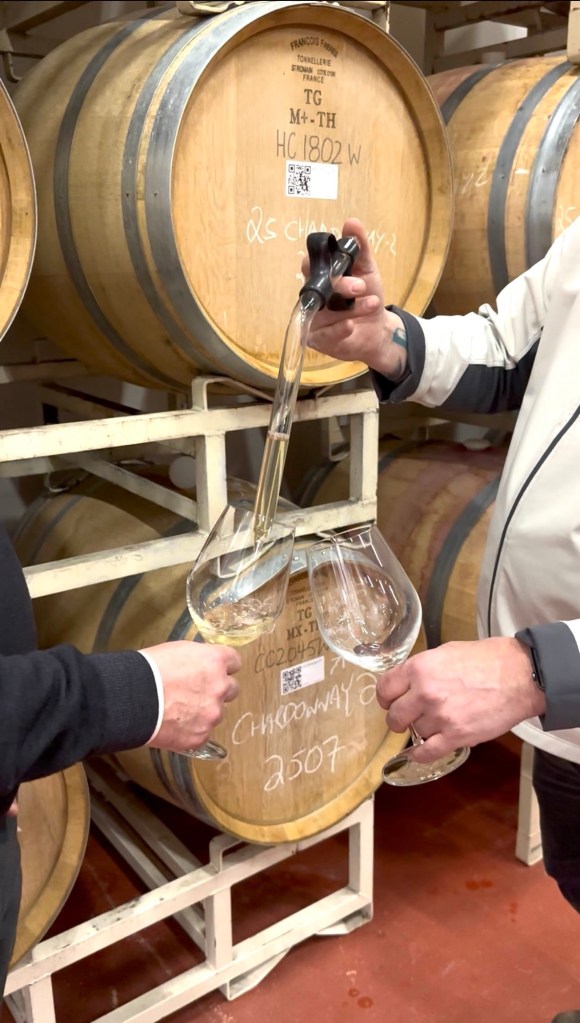
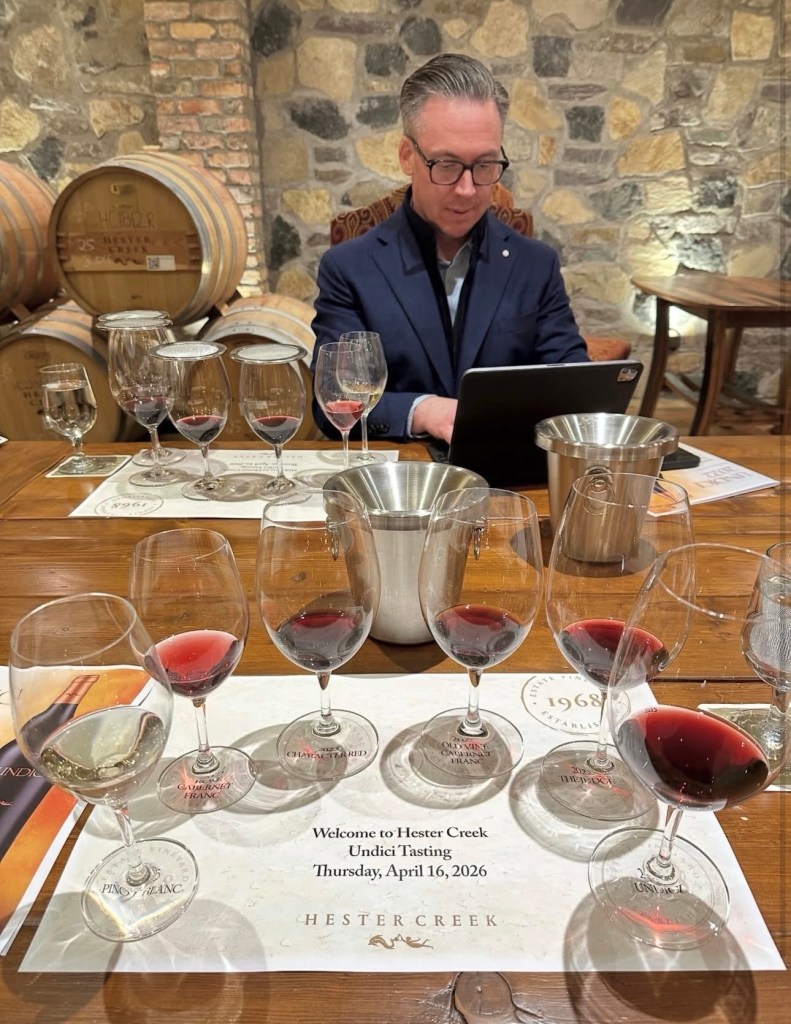
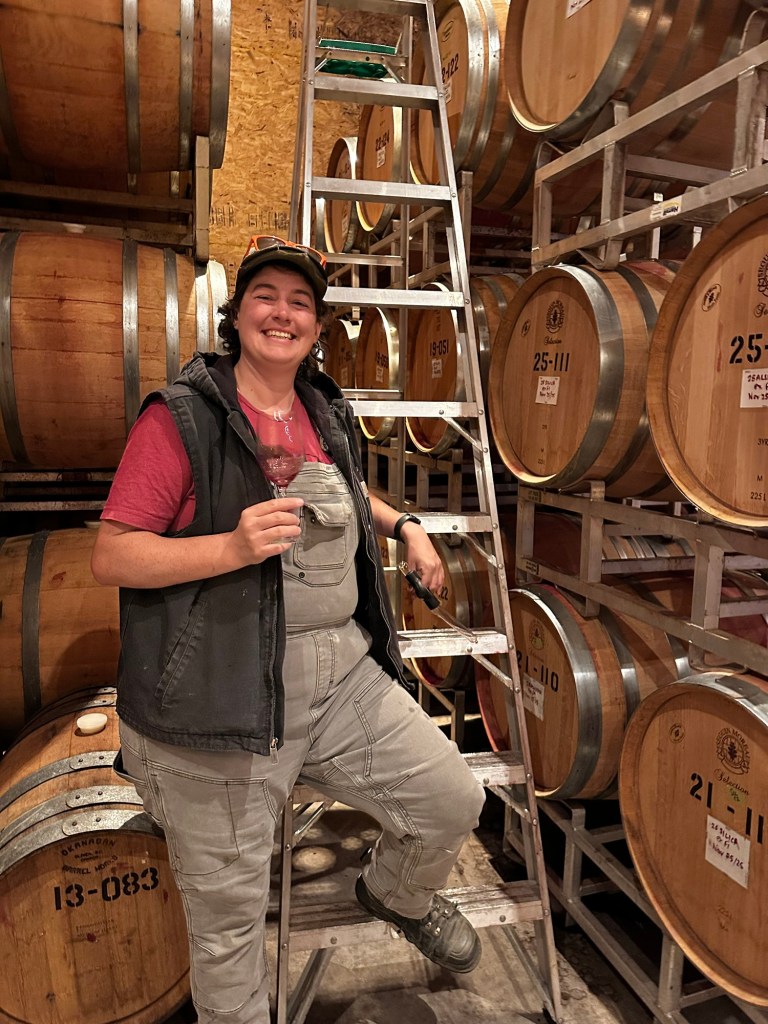
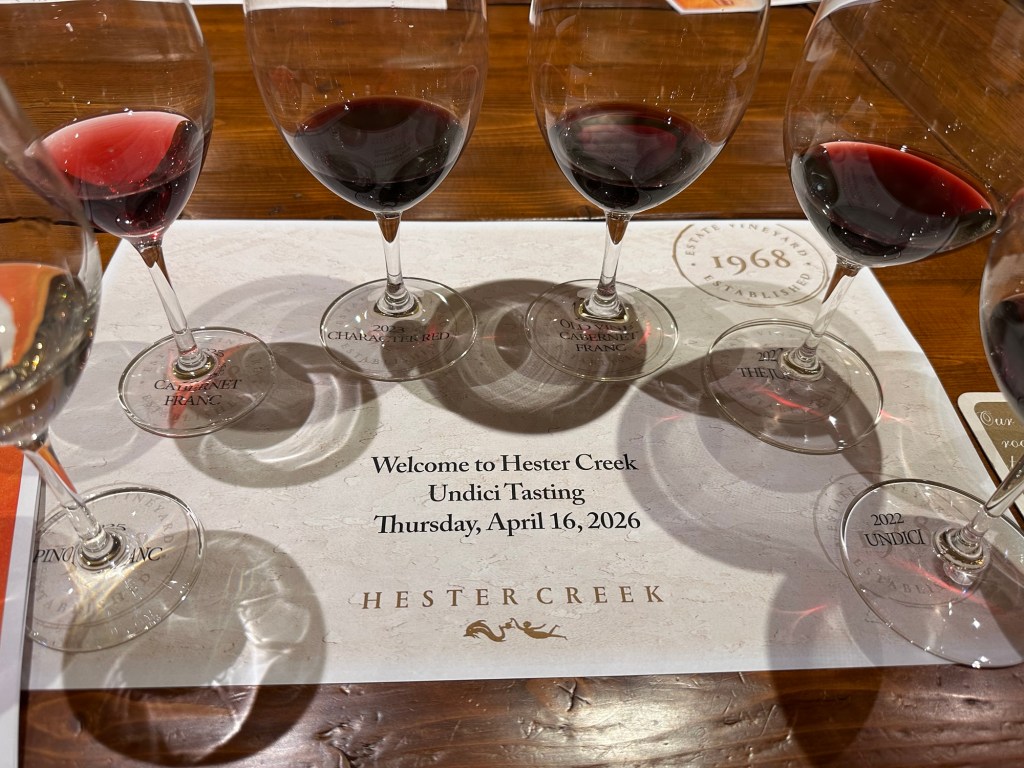
At Hester Creek, touring the vineyards with winemaker Mark Hopley and winery president Mark Sheridan provided a closer look at an estate building upon its established viticultural heritage.
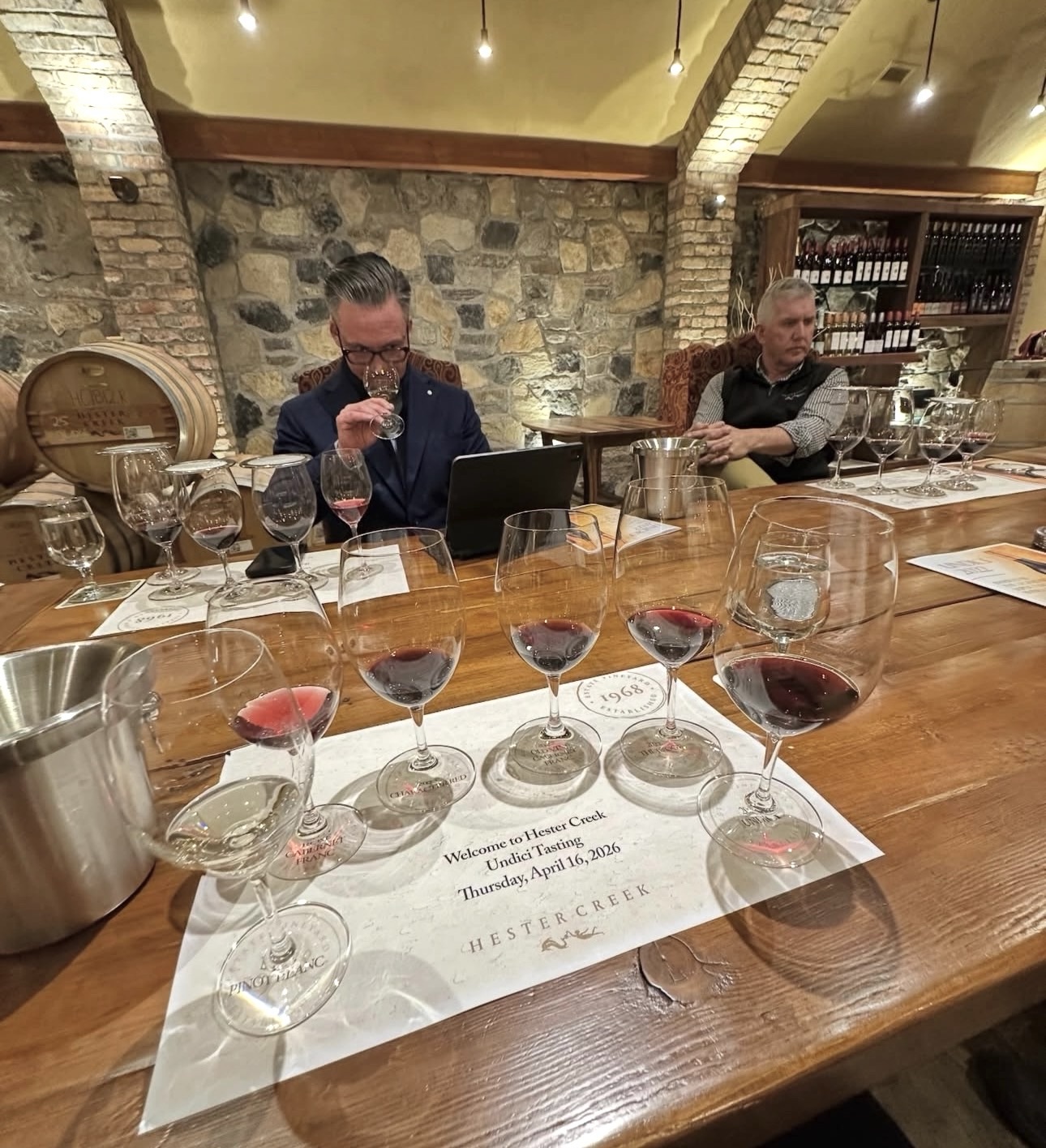
Hester Creek The Judge 2022 (95 points) was an excellent Bordeaux-inspired blend, showing dark fruit, sage, spice, and graphite. Hester Creek Undici 2022 (94 points) offered a Mediterranean-inspired expression built around Sangiovese, while Hester Creek Trebbiano 2025 (93 points) demonstrated the potential of old-vine white varieties in the Okanagan.

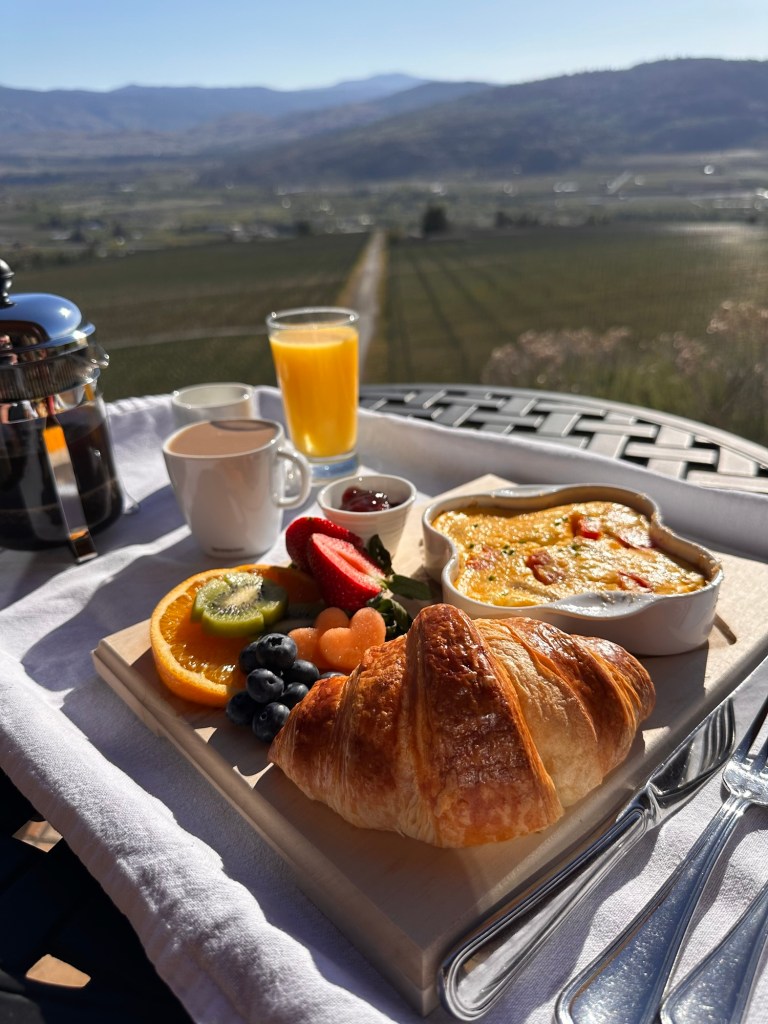
Beyond the wines, the region continues to offer excellent hospitality, culinary experiences, and spectacular vineyard landscapes.
Despite the challenges of recent growing seasons, the dedication and adaptability of its producers provide good reason for optimism.
Read more: The Okanagan Valley: A Sommelier’s Look at a Region on the Rise
Niagara Peninsula: Fine Wine Close to Home
If my travels through Italy provided perspective through centuries of winemaking tradition, Niagara offered a reminder of how far Canadian fine wine has progressed.
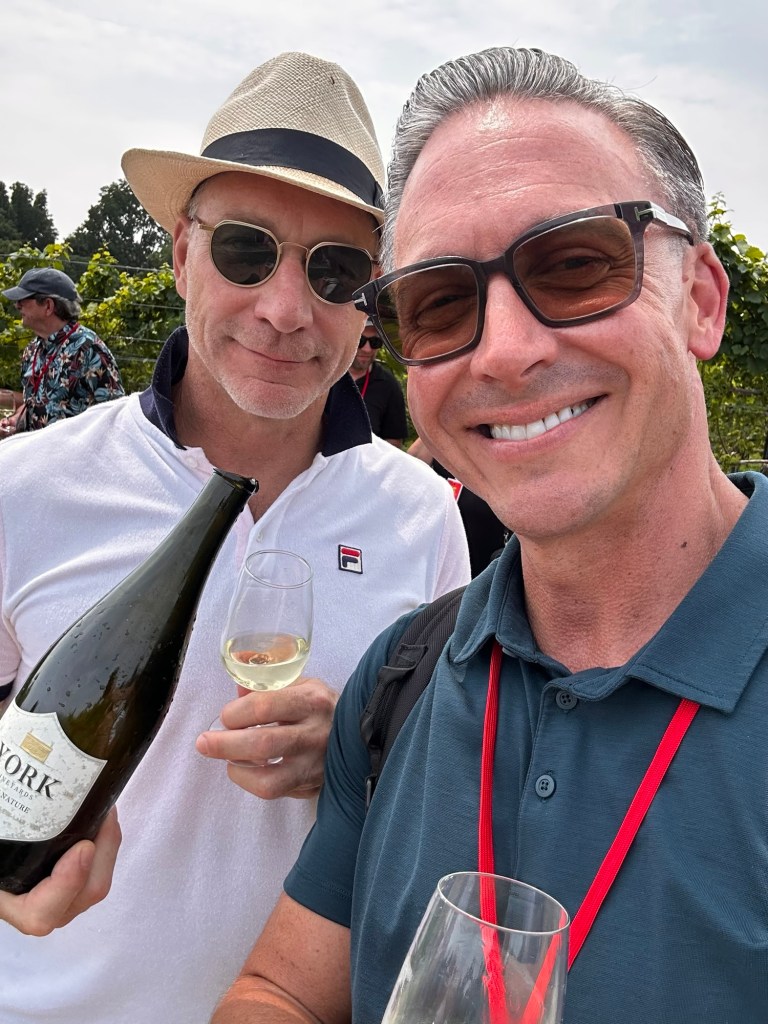
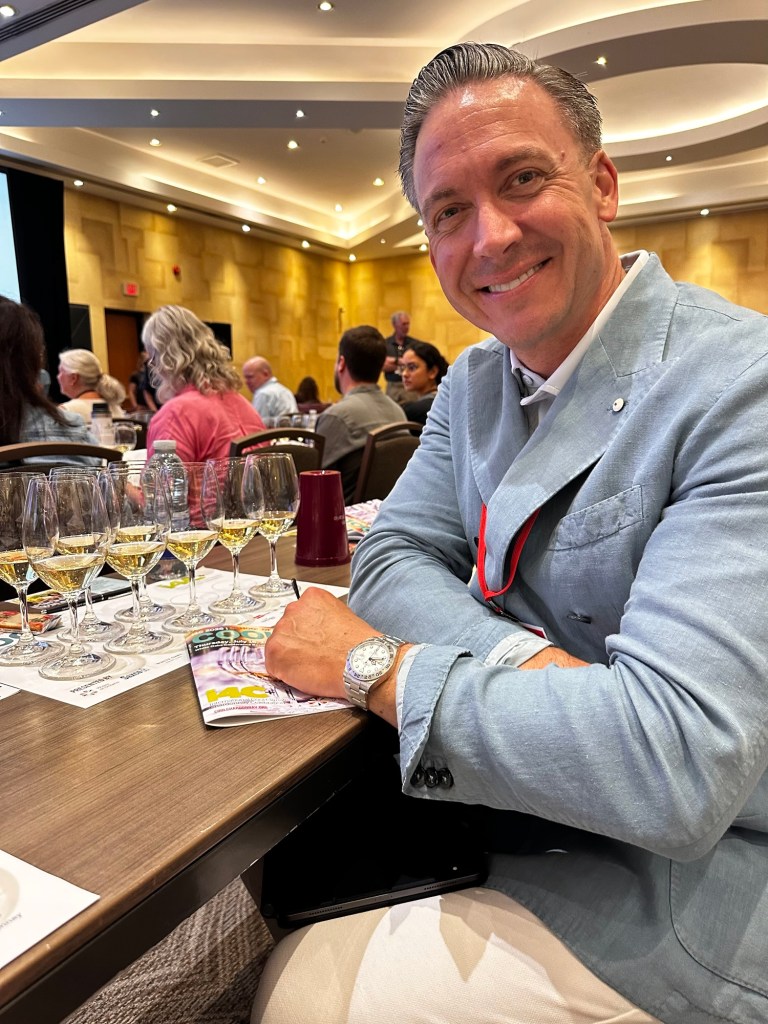
Attending the International Cool Climate Chardonnay Celebration (i4C) in July provided an opportunity to assess some of the finest Chardonnay and Pinot Noir being produced in Ontario and internationally.
Two Niagara wines were particular highlights.
Leaning Post Senchuk Vineyard Pinot Noir 2022 — 96 points
My favourite Pinot Noir of i4C 2026 and among the finest Niagara examples I can recall tasting.
From a relatively unassuming estate vineyard in Winona, winemaker Ilya Senchuk has produced a wine offering smoky matchstick reduction, wet stone, spicy cherry, red fruit, and potpourri. Intense yet elegant, with layered complexity and mineral tension, this limited-production Pinot Noir deserves wider recognition.
Bachelder Wismer-Foxcroft Chardonnay Parcelle Nord 2023 — 96 points
A highly refined expression of Niagara’s Twenty Mile Bench.
Thomas Bachelder’s Chardonnay delivered lemon zest, white peach, chamomile, delicate pastry notes, and flinty, chalky, saline minerality. My highest-rated Chardonnay during i4C 2026, it displayed the balance of texture, energy, and vineyard character associated with fine white Burgundy.
Other discoveries reinforced the diversity of Niagara’s white wines.
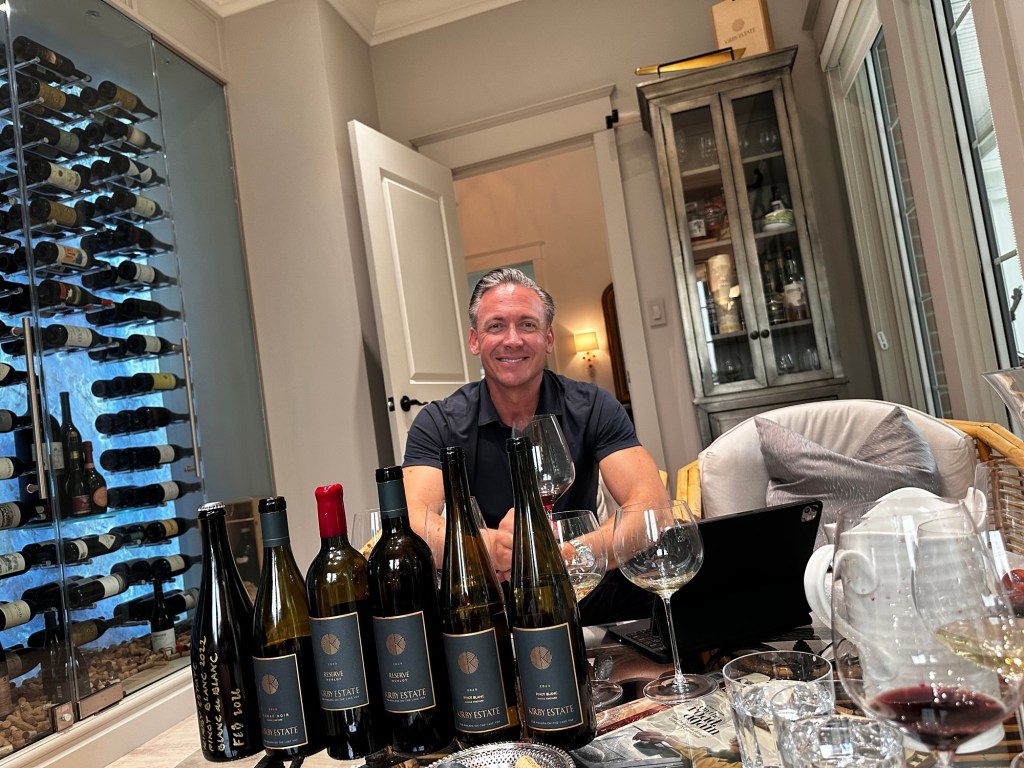
Kirby Estate Single Vineyard Pinot Blanc 2025 (94+ points), from vines planted in 1996 in Niagara Lakeshore, was one of the finest Canadian Pinot Blancs I’ve tasted. Elegant and restrained, with crisp orchard fruit, refined texture, and chalky seashell minerality.
Sempre Mio Chardonnay 2024 (93+ points) was another strong example, offering white peach, yellow apple, almond croissant, and mineral complexity, supported by vibrant acidity and restrained oak.
These wines demonstrate that Canada’s finest Pinot Noir and Chardonnay deserve to be assessed on their own merits, rather than simply as domestic alternatives to European wines.
Niagara’s combination of established vineyards, skilled producers, and cool-climate growing conditions continues to yield wines with distinctive character and international appeal.
Read more:
- Leaning Post Senchuk Vineyard Pinot Noir 2022
- Bachelder Wismer-Foxcroft Chardonnay Parcelle Nord 2023
- Kirby Estate Single Vineyard Pinot Blanc 2025
- Sempre Mio Chardonnay 2024
Reflections on a Year in Wine
Looking back, what stands out most is the diversity of wines encountered and the people whose work gives them their character.
From the volcanic vineyards of Etna and the limestone soils of Gioia del Colle to the ageworthy whites of Collio, the historic traditions of Valpolicella, and the evolving wine regions of Canada, each destination offered a different perspective on how vineyards, climate, culture, and winemaking influence the final wine.
Some of the most memorable experiences came from tasting older vintages that challenged expectations, particularly the mature Primitivos of Gioia del Colle, aged Pinot Grigios and Friulanos of Collio, and Amarones that continue to develop beautifully after decades in bottle.
Others involved discovering talented producers working with relatively little-known vineyards, from Vigna Liponti in Puglia to Leaning Post in Niagara.
Whether tasting a 27-year-old Pinot Grigio in Collio, exploring the cellars of Dal Forno Romano, walking vineyards on Mount Etna, or discovering a beautifully mature Primitivo from Puglia, these experiences reinforced why I enjoy travelling through wine country.
Beyond the wines themselves, it’s the conversations with winemakers, time spent in vineyards, and relationships developed along the way that give these journeys their lasting value.
As 2026 draws toward a close, with further travels to Tuscany and Piedmont ahead, there remains much more to explore, taste, and share.
And plenty to celebrate, both abroad and here in Canada.
Cheers!
Matt Steeves
Certified Sommelier | Wine Writer | Senior Contributor, VineRoutes
www.quercusvino.ca | Instagram: @QuercusVino
Discover more from Quercus Vino
Subscribe to get the latest posts sent to your email.


Leave a Reply