
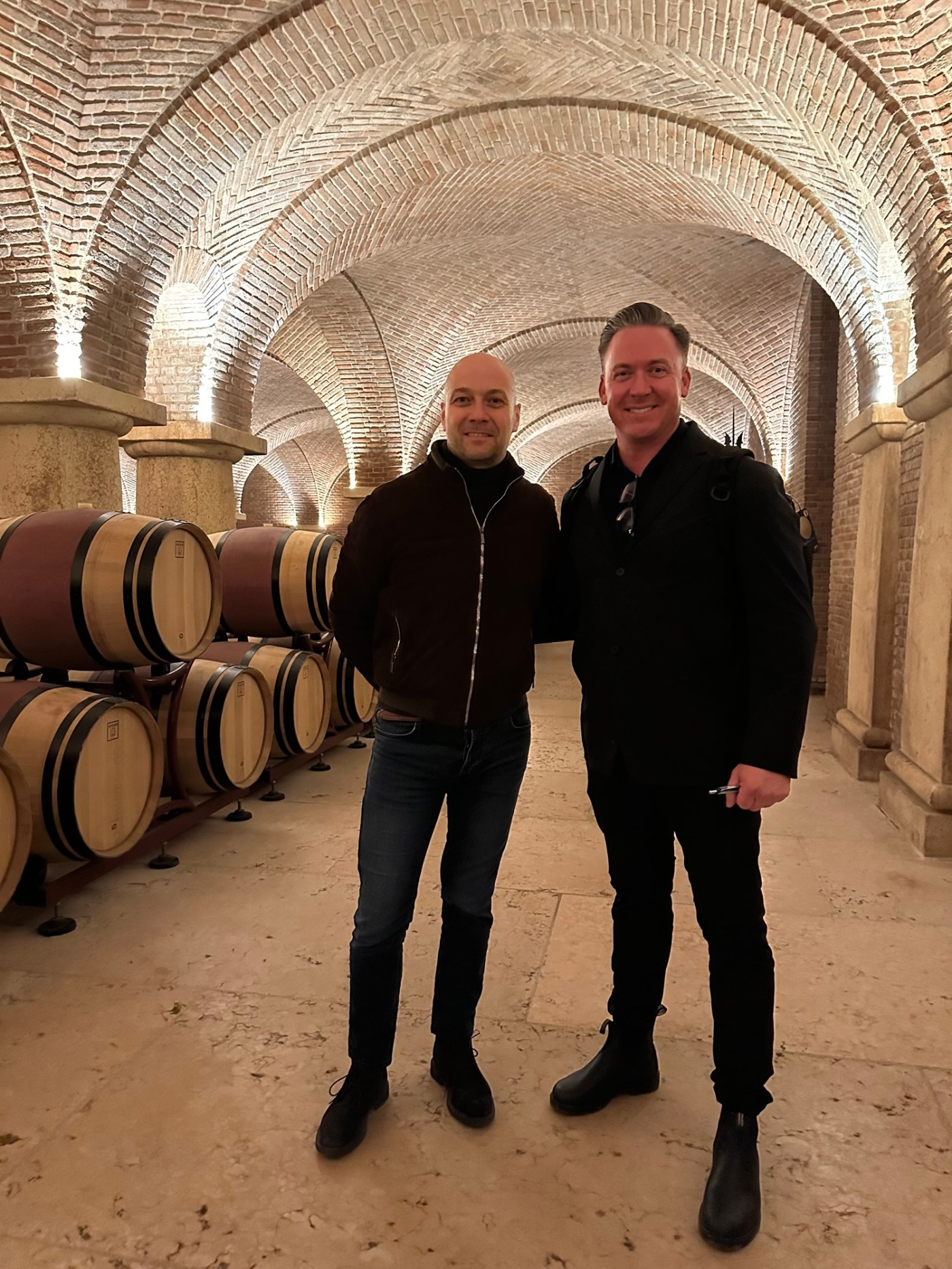
Winery visit | January 27, 2026 | Val d’Illasi, Veneto, Italy
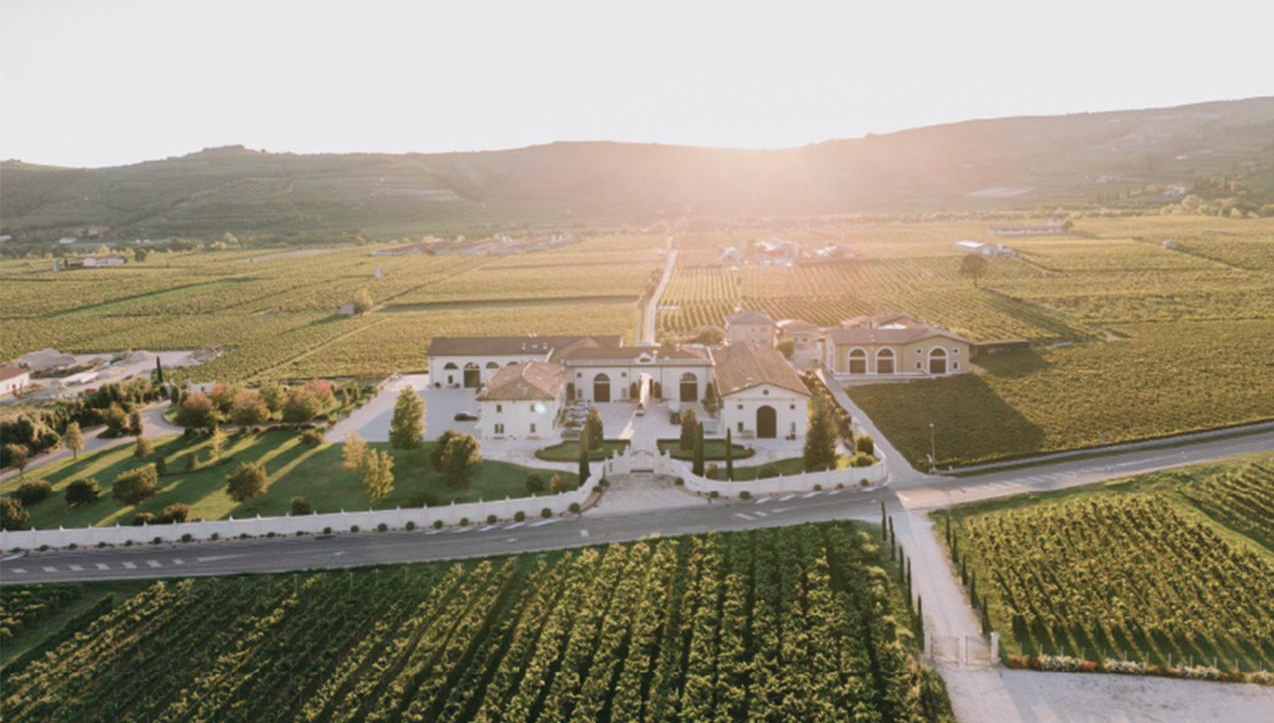
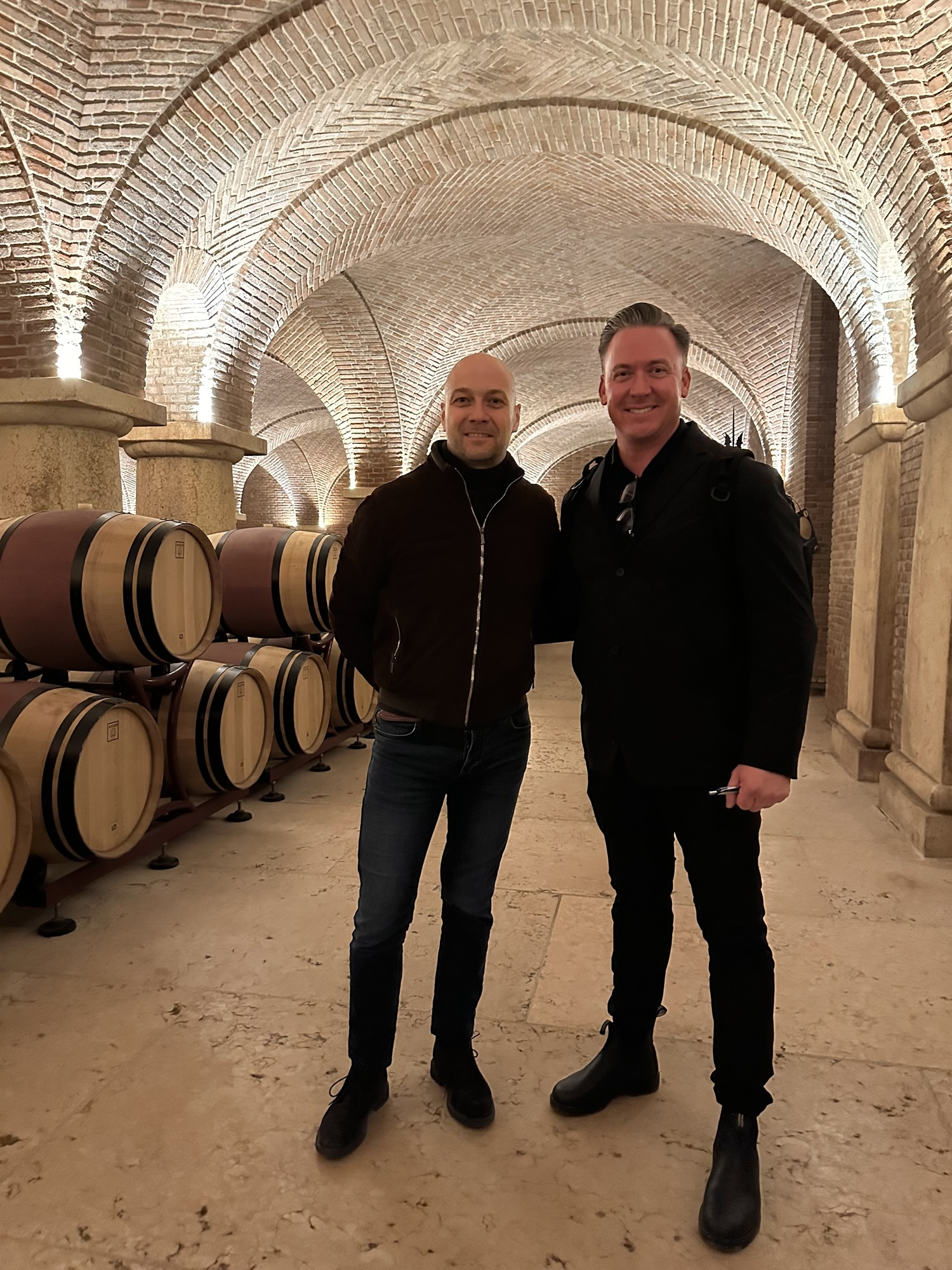
My visit to Dal Forno Romano on January 27, 2026, offered an extraordinary insight into one of Valpolicella’s most ambitious and uncompromising wine estates. Hosted by second-generation winemaker Marco Dal Forno, the experience revealed the remarkable determination of his father, Romano, whose relentless pursuit of quality transformed a modest beginning into an internationally renowned winery.
From humble beginnings to international acclaim
Romano Dal Forno began with virtually nothing. Initially considering a career as a city bus driver, he instead found himself growing grapes and making wine, learning through experimentation, observation and an extraordinary attention to detail.
Frustrated by the cooperative system, where growers had little control over grape pricing, Romano decided to establish his own winery. At just 26, he produced his first label. In those early years, resources were so limited that he collected empty bottles from local bars and restaurants to package his wines.
A pivotal moment came in 1983 when he met the legendary Giuseppe Quintarelli. Quintarelli became an informal mentor, although he reportedly doubted that wines of exceptional quality could emerge from the eastern Val d’Illasi. Rather than discouraging Romano, that skepticism reinforced his ambition to demonstrate that great Valpolicella could be produced outside the region’s traditional heartland.
Drawing inspiration from Bordeaux and other leading wine regions, Romano pursued an uncompromising philosophy: great wine begins in the vineyard. He believed that more than 80% of a wine’s ultimate quality was determined by viticulture rather than winemaking.
Viticulture: precision at every stage
Today, the estate manages approximately 34 hectares of vineyards, including 20 hectares on its own property, across three principal vineyard sites.
Its approach is defined by remarkably intensive vineyard management:
- High-density planting: Beginning in the late 1990s, the estate introduced vineyards planted at densities reaching approximately 12,800 vines per hectare, prioritizing concentration and quality over yield.
- Extremely low yields: Approximately 0.5 kg of grapes per vine, equating to roughly seven vines per bottle of Valpolicella Superiore and thirteen vines for a single bottle of Amarone.
- Varietal selection: Five grape varieties, including Corvina, Corvinone, Rondinella and Oseleta, with Molinara excluded from the mix.
- Labour-intensive viticulture: Approximately 1,700 hours of manual work per hectare.
- Soil and water management: Deep alluvial gravel deposits layered with clay and limestone, with wells reaching approximately 500 metres and precision drip irrigation.
- Soil health: Manure is composted/fermented for two years before application, while cultivation between rows encourages deeper root development.
Marco explained the importance of the estate’s distinct vineyard exposures. The gravel-rich valley floor contributes salinity and sapidity, while higher-elevation, clay-influenced sites contribute elegance and structure. West-facing vineyards retain valuable acidity, particularly during warmer years such as 2022.
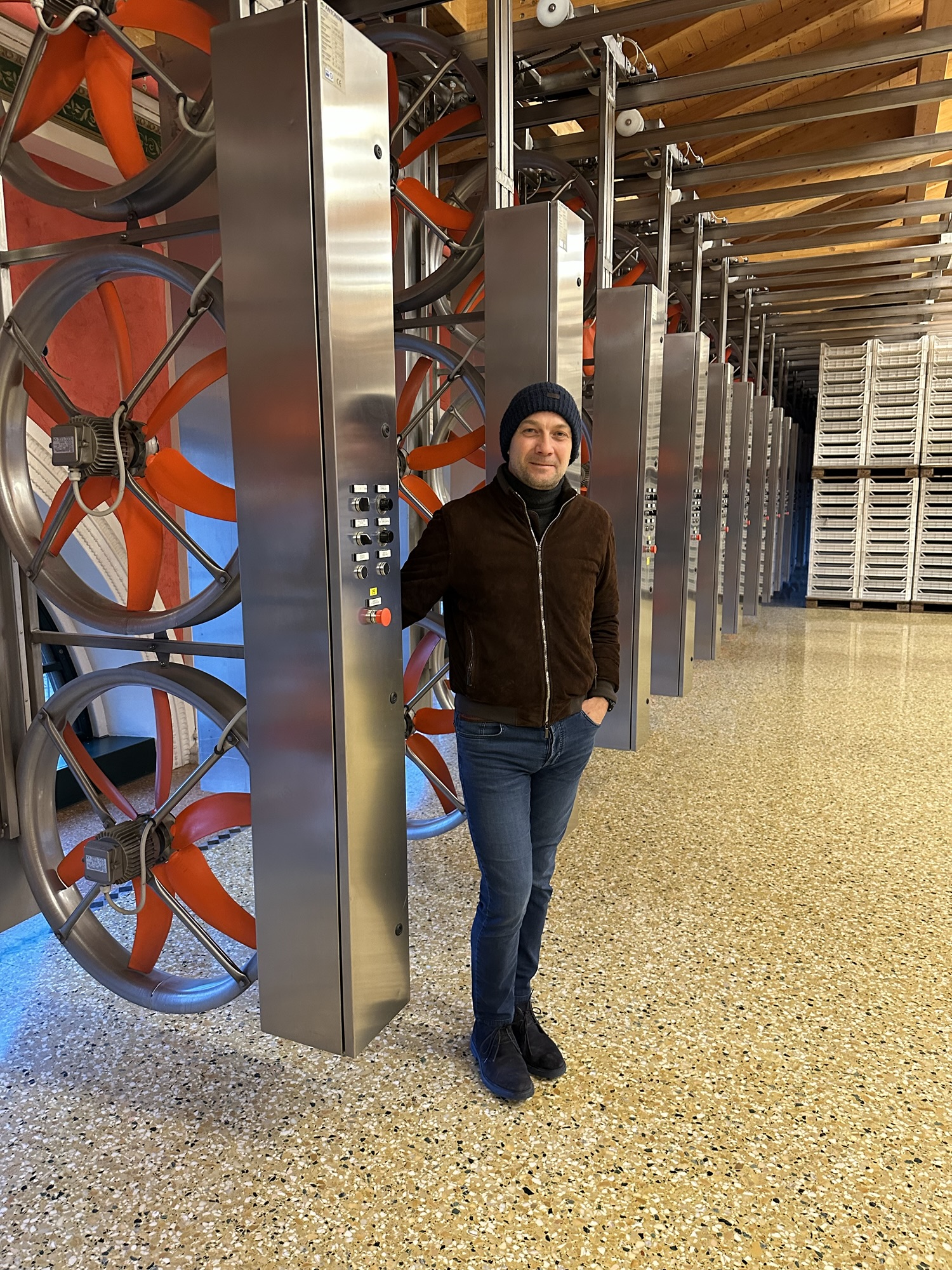
The level of care extends into the cellar. Every harvesting and drying decision is guided by tasting the grapes, rather than relying exclusively on analytical measurements or predetermined schedules. During appassimento, Marco monitors the fruit until he considers its concentration, ripeness and balance ideal.
Even the maturation process involves extraordinary attention, with new oak absorbing approximately 10% of the wine and barrels requiring frequent topping under vacuum.
Four exceptional wines
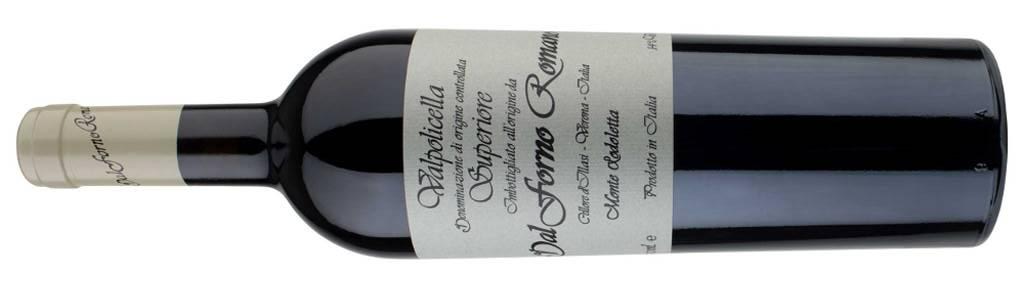
Dal Forno Romano Valpolicella Superiore 2019 – 96 pts
14.5% ABV | Approx. €120
A deep ruby wine with expressive aromas of dark plum, cassis, black cherry, balsamic notes and tobacco. Remarkably fresh and elegant, with impressive precision and a refined, dry palate. Produced entirely from dried grapes, yet the appassimento character is beautifully integrated rather than overt. A superb demonstration of concentration without sacrificing freshness or finesse.
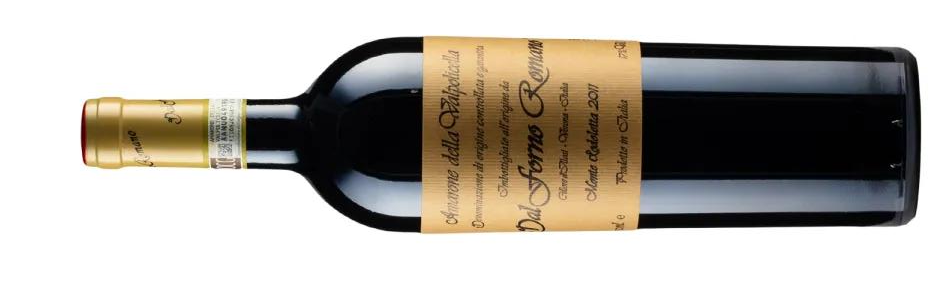
Dal Forno Romano Amarone della Valpolicella 2011 – 99+ pts (re-released in 2026)
17% ABV | 0.5 g/L residual sugar | Approx. €350
An extraordinary Amarone from a notably hot vintage, scheduled for re-release in February 2026. Deep ruby with virtually no visible signs of evolution. Concentrated dried dark fruit, mint, balsamic nuances and tobacco leaf lead to an exceptionally structured palate. Youthful, fine dusty tannins envelop the mouth, complemented by refreshing acidity and chalky texture. Despite its 17% alcohol, the wine achieves remarkable balance, freshness and longevity. A monumental Amarone, still remarkably youthful after fifteen years.
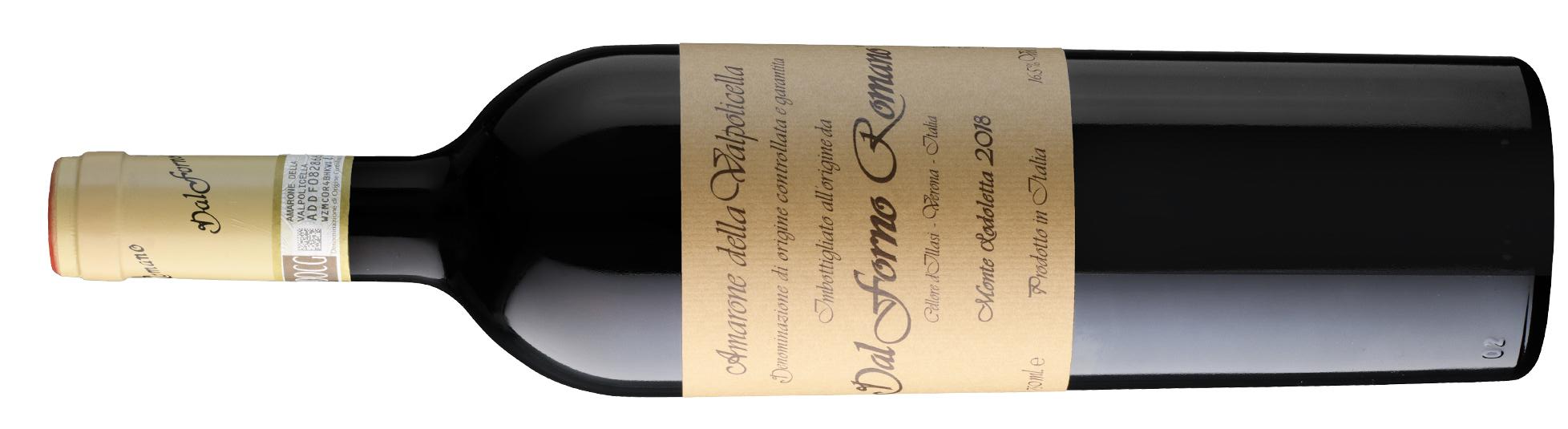
Dal Forno Romano Amarone della Valpolicella 2018 – 98+ pts
16.5% ABV | 5 g/L residual sugar | Released 2025
Deep ruby, displaying fresh blackberry, plum and graphite. The comparatively cooler vintage, complicated by significant autumn rainfall, produced a wine of impressive purity and freshness. Rich and intensely concentrated yet beautifully composed, with exceptional depth and precision. A striking contrast to the 2011, highlighting the estate’s capacity to express vintage character within its distinctive house style.
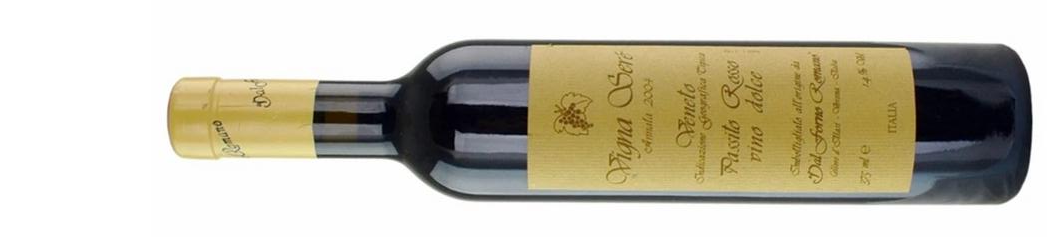
Dal Forno Romano Rosso Vino Dolce 2003 – 97 points
14% ABV | Approx. 150 g/L residual sugar | Approx. 7 g/L acidity
A rare sweet wine from an exceptionally limited production history, produced in the style of Recioto but labelled Rosso Vino Dolce. Marco explained that fermentation was allowed to stop naturally rather than being deliberately arrested. The estate produced its final Recioto vintage in 2004, making this 2003 an especially fascinating glimpse into an almost forgotten chapter of Dal Forno’s winemaking history.
Reflections on the visit
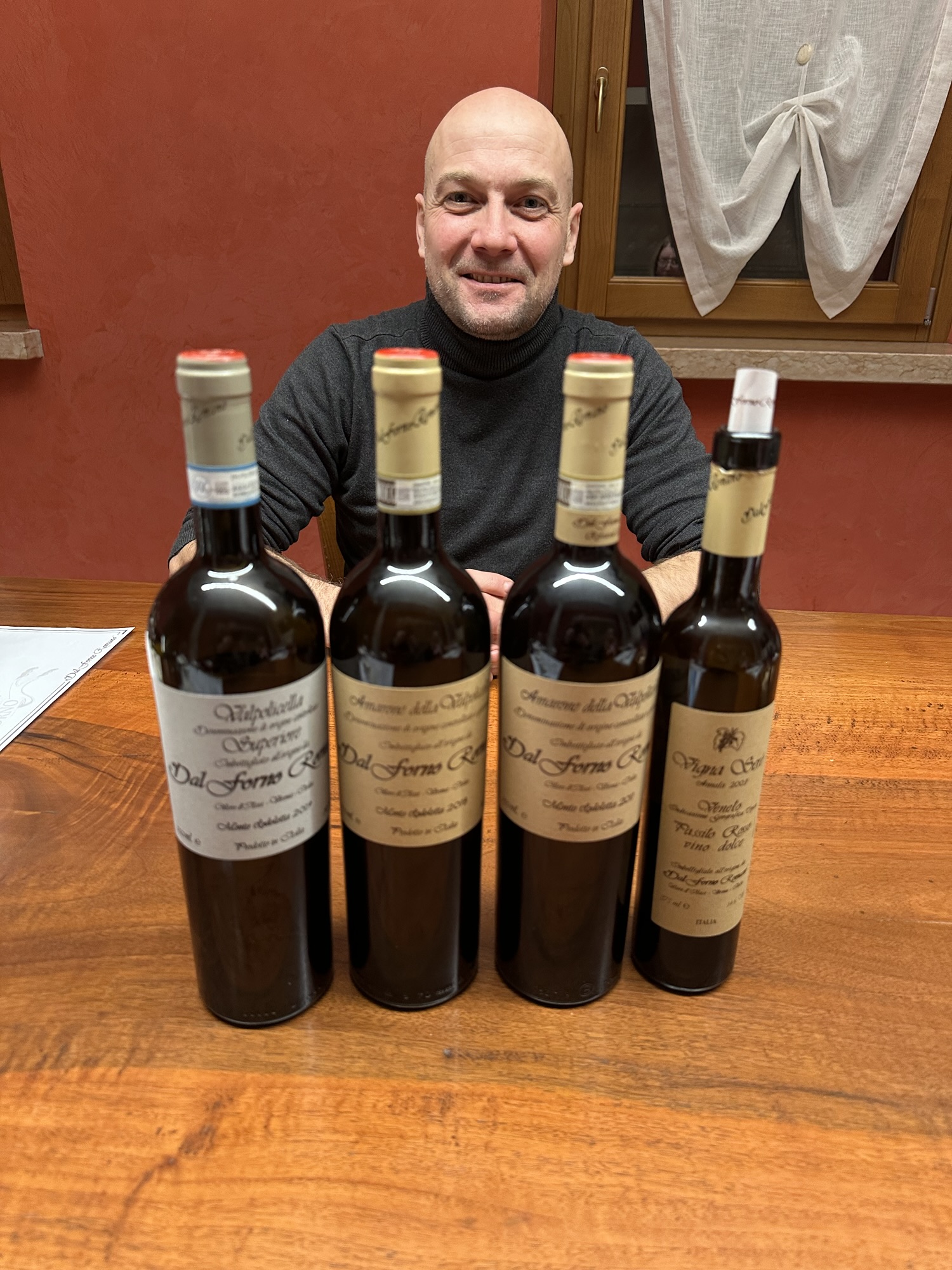
Marco’s account of the family’s beginnings was particularly memorable. The story of a young winemaker collecting discarded bottles because he could not afford new ones stands in remarkable contrast to the highly sophisticated operation today.
What stood out most during my visit was not simply the exceptional quality of the wines, but the extraordinary level of precision behind every decision. From vineyard planting density and painstaking manual labour to the timing of appassimento and careful barrel management, every aspect of production reflects Romano Dal Forno’s original vision. When I asked Marco what his secret was for producing such incredible wines, it became clear it was not one or two proprietary techniques, but rather hundreds of deliberate decisions actions, with significant effort in the vineyards and winery to arrive at each world-class bottle of wine with the Dal Forno name on the label.
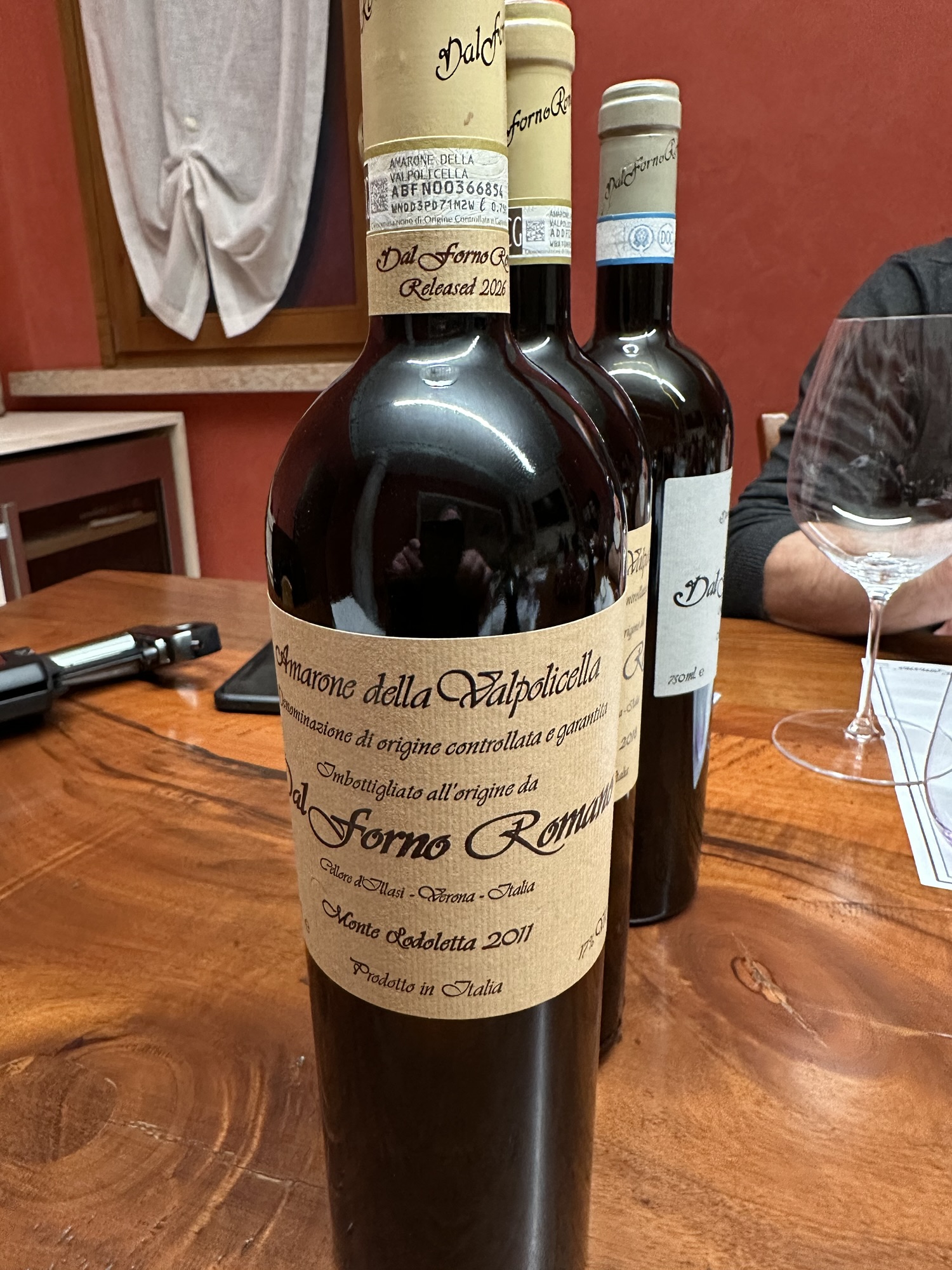
The tasting also demonstrated something fundamental about Dal Forno’s wines: despite their enormous concentration, elevated alcohol and intensity, freshness, structure and balance remain central to their identity. The 2011 Amarone was particularly remarkable, showing extraordinary youthfulness and complexity fifteen years after harvest.
With difficult vintages capable of reducing production dramatically, Marco noted losses approaching 50% in 2025. The estate continues to prioritize quality over volume.
Dal Forno Romano’s success is a testament to conviction, innovation and decades of meticulous work. Romano set out to challenge conventional perceptions of what wines from eastern Valpolicella could achieve, and through Marco’s stewardship, that ambition continues to define one of Italy’s most extraordinary wine estates.
Visited and tasted January 27, 2026 — Matt Steeves, Quercus Vino.
Discover more from Quercus Vino
Subscribe to get the latest posts sent to your email.


Leave a Reply