
October 2026
by Matt Steeves
There are grapes that belong to a place because they are widely planted. Others become inseparable from a region because, over generations, they come to express something deeper about its landscape, traditions and people.
In Collio, that grape is Friulano.
Friulano may not be indigenous to Collio in the strict ampelographic sense, but few grapes are more culturally indigenous to a place.
Over generations, it has become woven into the identity of Collio: grown across its hillsides, poured in local osterie, embraced by many of the denomination’s leading estates and interpreted in styles ranging from bright and immediately approachable to concentrated, site-specific wines capable of developing beautifully for well over a decade.
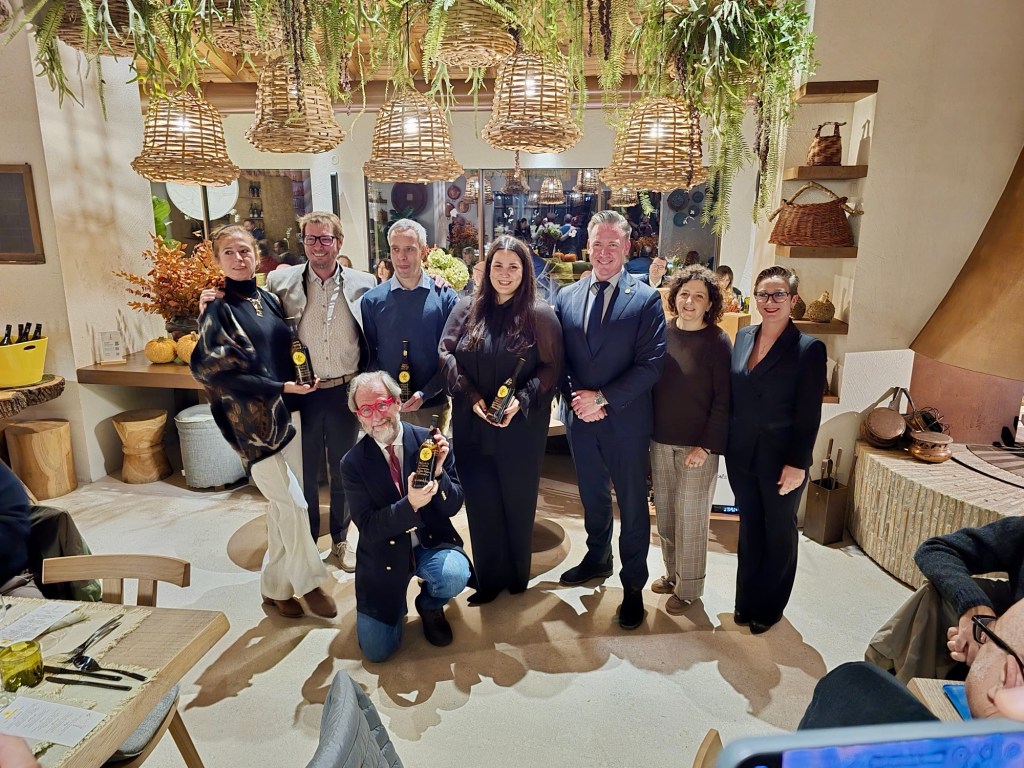
The Consorzio Tutela Vini Collio describes Friulano as a wine of tradition and a symbol of the denomination’s identity and history. Today it represents approximately 15% of Collio production, although its importance to the region extends far beyond those numbers. That made it an obvious choice to take centre stage at the inaugural Collio Evolution, held October 26 and 27, 2025.
The new annual event was conceived as an exploration of the past, present and future of Collio, with a different grape variety taking the spotlight each year. For its first edition, organizers chose Friulano, the Consorzio calling it the wine of tradition and one of the most representative symbols of Collio’s identity and history.
It was a fitting choice because understanding Friulano is, in many ways, essential to understanding Collio itself.
A Grape With a Complicated History
Friulano’s history is less straightforward than its deep association with Friuli might suggest.
For generations it was known locally as Tocai Friulano, or simply Tocai. Ampelographic research identifies Tocai Friulano with the variety known as Sauvignonasse, also historically called Sauvignon Vert in France. UC Davis Foundation Plant Services notes that the variety was introduced into Friuli in the 19th century and became known there as Tokai.
Precisely how and when it established itself so completely in northeastern Italy is part of a more complicated history. What is not complicated is what happened afterward. Friuli made the grape its own.
Over generations, Tocai Friulano became so deeply integrated into the region’s wine culture that its identity was transformed. Whatever its earlier geographical origins, it became the wine generations of Friulians cultivated, drank and associated with home.
This is where the idea of Friulano being culturally indigenous becomes especially meaningful.
Its importance does not depend entirely upon proving that the grape first emerged from the soils of Friuli. Cultural identity is created through people, traditions and time. And few grape varieties have been more thoroughly adopted by a place than Friulano has been by Friuli, and particularly by Collio.
That connection also explains why the eventual loss of the word Tocai from Italian wine labels carried such significance locally.
European regulations limited use of the name “Tocai Friulano” until March 31, 2007, after which producers transitioned to Friulano. The issue involved protection of Hungary’s Tokaj geographical indication rather than any relationship between the wines themselves. Hungarian Tokaji and Friulano are neither the same grape nor the same style of wine.
If anything, the new name ultimately reinforced what generations of growers already understood. This grape had become distinctly Friulian.
Why Friulano Matters So Much in Collio
Collio is overwhelmingly white-wine country.
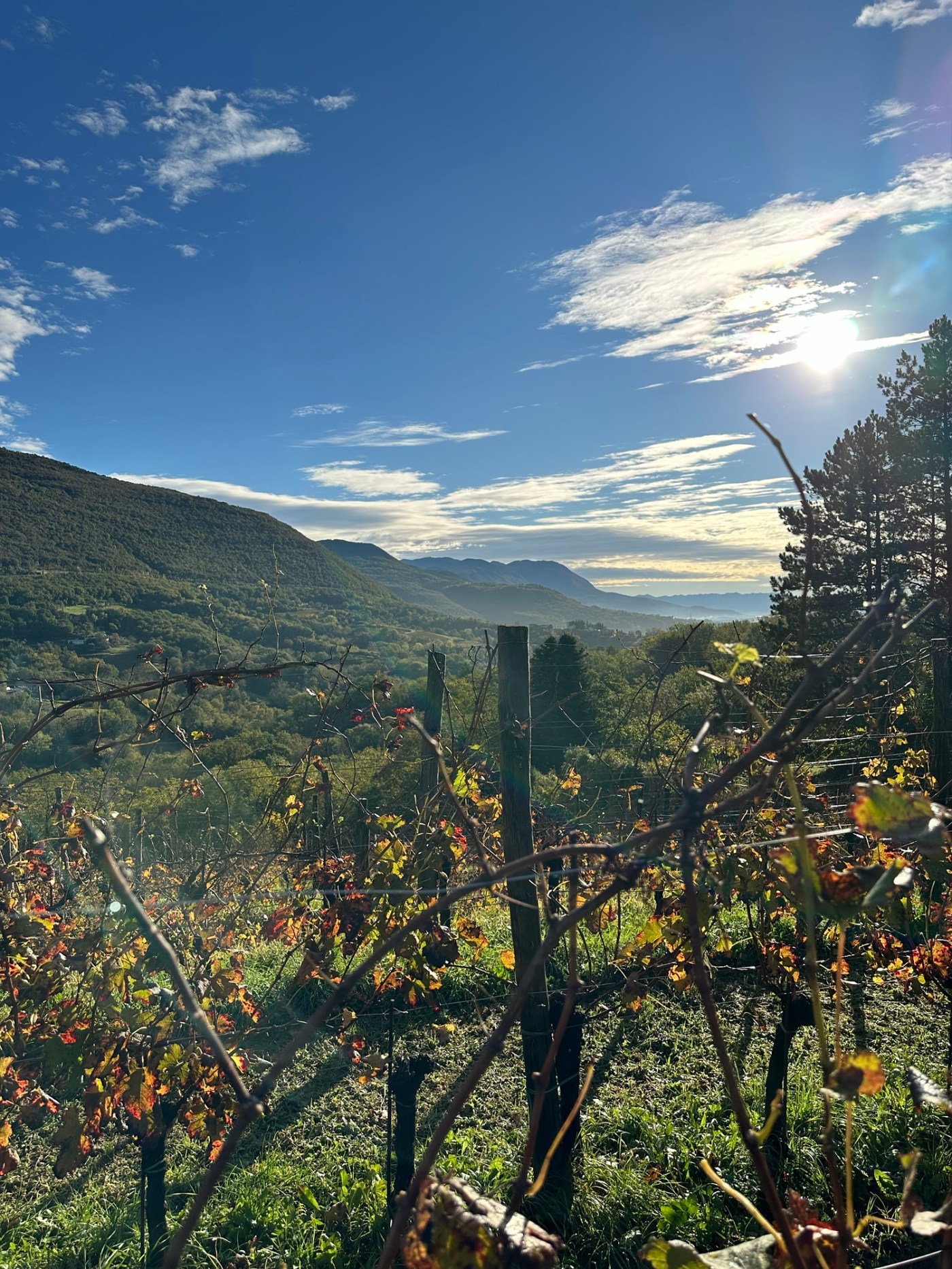
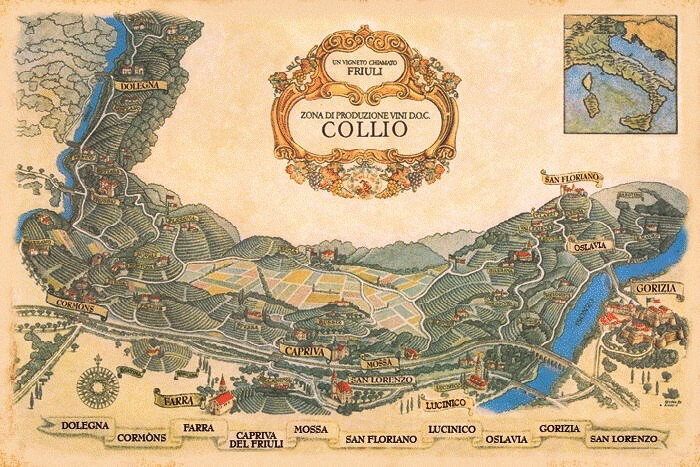
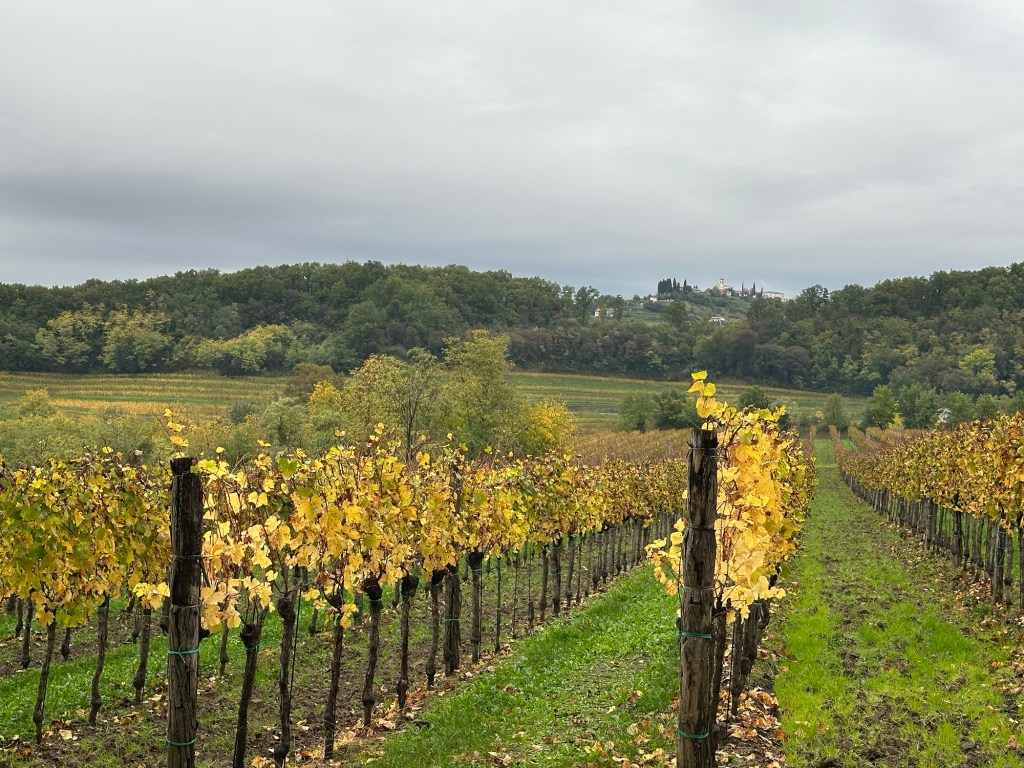
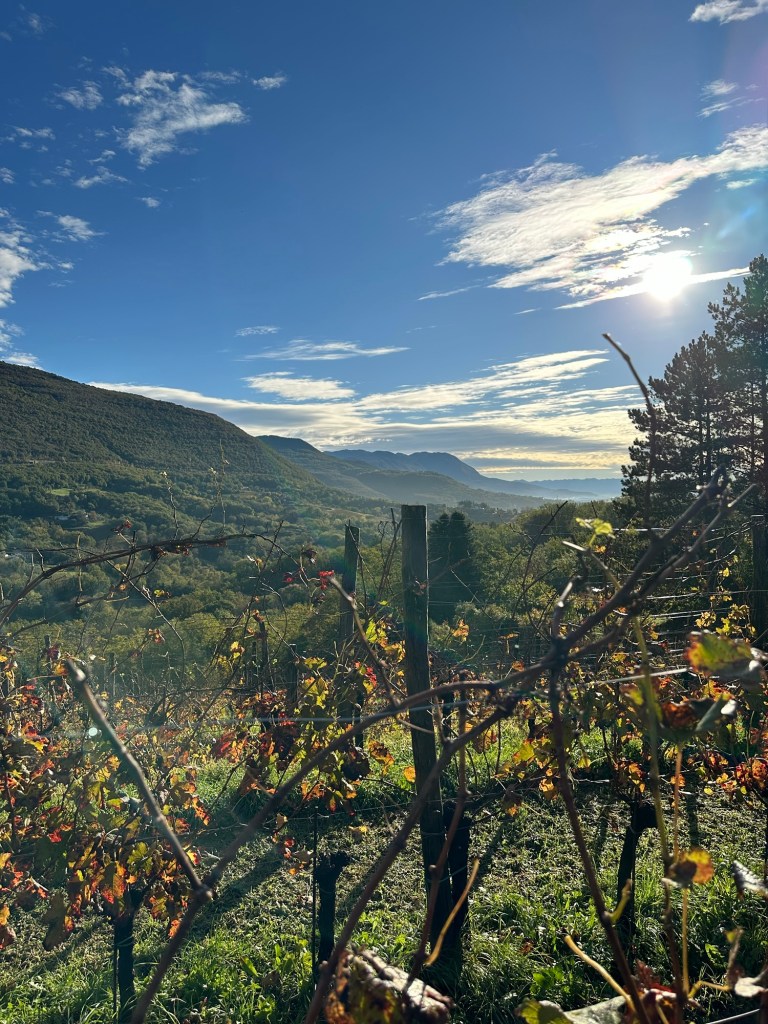
Its vineyards form a succession of hills, or colli, along Italy’s border with Slovenia around communities including Cormòns, Dolegna del Collio, San Floriano del Collio and Capriva del Friuli.
Beneath the vines lies one of the defining elements of Collio terroir: ponca, the local name for the region’s Eocene-era layers of marl and sandstone.
The Consorzio describes these soils as flysch or ponca, formed from alternating marl and sandstone deposits. Across roughly 1,500 hectares of vineyards, both indigenous and international white varieties have found conditions particularly well suited to quality wine production. Collio received DOC recognition in 1968.
Numerous varieties thrive here: Ribolla Gialla, Malvasia Istriana, Sauvignon, Pinot Bianco, Chardonnay and Pinot Grigio among them, but Friulano occupies a different cultural position.
Friulano is less about international familiarity than regional identity.
In Collio it can function almost as a calling card: a grower’s interpretation of a grape understood intimately by both producer and local consumer.
And because the variety can express itself differently depending on where it is planted, a characteristic explicitly recognized by the Collio Consorzio, it provides a fascinating way of exploring differences of site across these hills.
What Does Friulano Taste Like?
At its most immediately recognizable, Friulano combines orchard and stone fruit, floral notes, savoury minerality, texture and subtle herbal or spicy nuances.
Typical young examples can show pear, yellow apple, white peach and citrus, alongside delicate floral and herbal aromas. Friulano generally lacks the overt aromatic exuberance of varieties such as Sauvignon Blanc. Its personality is quieter.
The palate is frequently where the grape becomes most compelling. Friulano can possess an almost tactile quality, rounded and supple through the mid-palate but finishing dry, savoury and gently phenolic.
With age, those youthful fruit and floral characteristics can evolve toward dried orchard fruit, yellow currant, honey, brioche, beeswax, balsamic herbs, spice and increasingly savoury and mineral tones, all characteristics that appeared repeatedly in the mature wines I tasted during Collio Evolution.
It is also a grape whose expression changes noticeably with site. Higher and cooler vineyards can emphasize freshness, florality and a more linear profile, while warmer exposures can produce broader, richer and more powerful wines. Harvest timing, vine age, yields, lees ageing, skin contact and fermentation vessel further broaden the stylistic possibilities.
That versatility helps explain why Friulano remains so fascinating in Collio.There is a recognizable varietal character, yet there is no single template for how the wine must taste.
Friulano and the Language of Collio
Highly aromatic grape varieties can sometimes speak louder than the vineyard in which they are grown. Friulano is generally more restrained, allowing differences in soil, exposure, altitude, vintage and winemaking to remain visible. That becomes particularly important in Collio.
The region’s ponca soils are closely associated with the structure, savoury character and mineral sensations found in many of its wines. Friulano’s relatively understated fruit profile leaves room for those elements to remain central rather than being hidden beneath overt aromatics.
Even the grape’s acidity can be deceptive. Friulano is not necessarily built around piercing acidity. Instead, its finest expressions achieve balance through a combination of freshness, dry extract, phenolic tension, savoury character, minerality and texture.
This is one reason tasting Friulano only in its youth provides an incomplete picture of what the variety can become.
The Surprising Longevity of Friulano
One of the most eye-opening themes explored during Collio Evolution was Friulano’s ability to age. And it was not merely theoretical. Across the tasting, some of the most impressive wines were bottles approaching a decade in age, with several 2015 and 2016 wines showing extraordinarily well. Rather than simply hanging on, most had beautifully evolved.
The fruit remained alive, but its character had changed. Fresh orchard fruit had moved toward dried yellow fruit, yellow currant and richer fruit tones. Brioche, honey, spice, balsamic herbs, beeswax and savoury characteristics appeared with increasing frequency. Most impressive was the harmony.
The best wines retained enough freshness, acidity and minerality to counter their increasing richness and textural complexity. Their individual components had become less obvious, settling instead into beautifully integrated and harmonious expressions.
It was an important distinction. These were not merely old white wines that had survived. They had improved through evolution. For me, that was one of the major revelations of Collio Evolution.
The tasting demonstrated convincingly that serious Friulano from Collio deserves to be considered a cellar-worthy white wine, and that somewhere around eight to ten years can represent an especially impressive stage in its development.
And, as one remarkable 2012 demonstrated, its potential can extend considerably beyond that.
Collio Evolution Friulano Tasting
Here are some of the top expressions of Friulano I tasted during Collio Evolution in October 2025:
Raccaro Friulano 2016 Collio DOC — 95 points
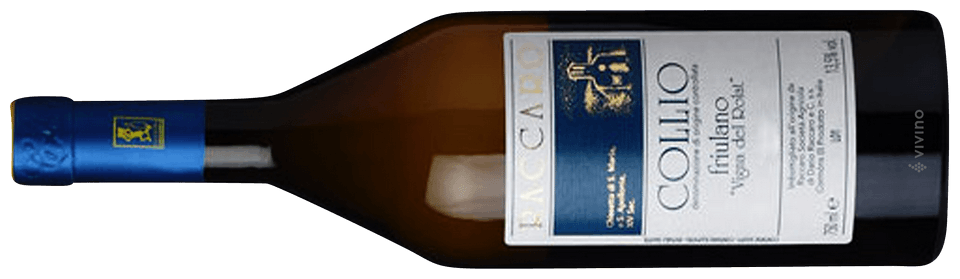
Dried yellow fruit, orchard fruit and brioche lead into an exceptionally poised and elegant palate. Rich yellow fruit is balanced by refreshing acidity, giving the wine tremendous vibrancy despite nearly a decade of evolution. Such an elegant and poised wine, showcasing both the greatness in Raccaro’s wines and Friulano’s impressive ageability. Tasted October 2025. 95 points.
Drius Friulano 2021 Collio DOC — 94+ points
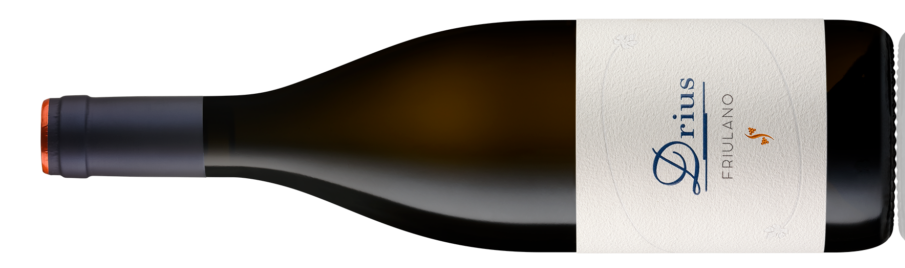
Greeted by a wonderfully complex bouquet of orchard fruit, stone fruit, minerality and brioche. Very clean and refreshing, with impressive mineral definition and a subtle spicy note on the finish. A very complete and exceptionally well-balanced wine. Tasted October 2025. 94+ points.
Ferruccio Sgubin Friulano Petruss 2021 Collio DOC — 93+ points
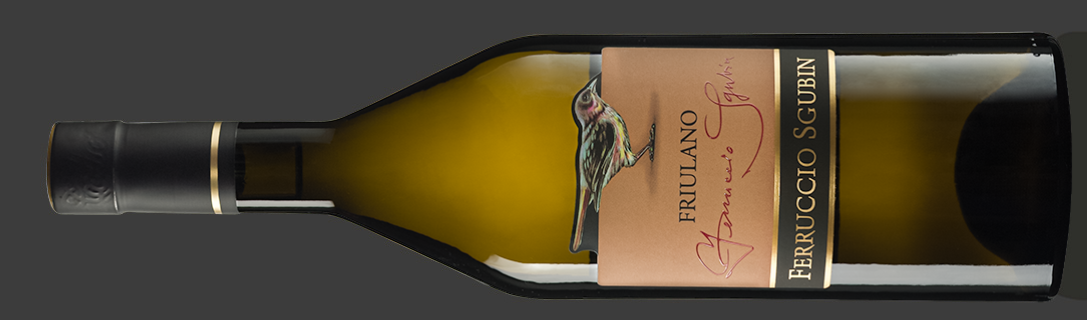
An inviting nose showing baked bread, orchard fruit and balsamic notes. The palate is crisp, with delicious ripe orchard fruit, minerality and finely textured tannins. A great vintage showing its character transparently through the complexity, texture and harmony of this beautifully evolving Friulano. Tasted October 2025. 93+ points.
Komjanc Alessio Friulano 2016 Collio DOC — 94 points
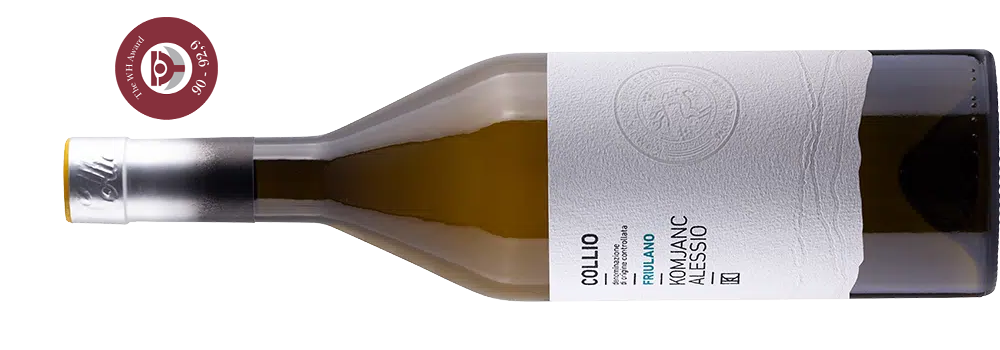
Light golden yellow. The nose shows expressive ponca minerality, savoury dried yellow fruit and balsamic notes. Vibrant and beautifully developed at nearly a decade old, with impressive structure and a long, spicy finish. Tasted October 2025. 94 points.
Muzic Friulano Valeris 2015 Collio DOC — 95 points
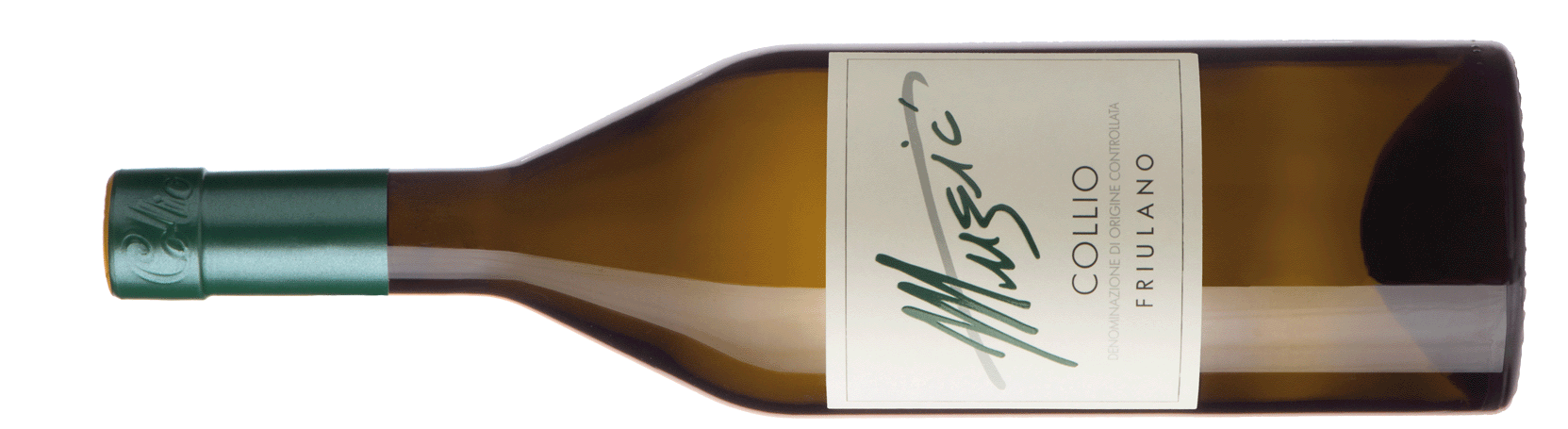
Golden yellow in colour, with ripe orchard fruit and spice on the nose. An absolutely delicious and expressive Friulano showing honeysuckle, orchard fruit and spice. Vibrant, energetic and beautifully developed, this is an excellent illustration of the benefits of aging premium single-varietal Collio DOC wines. Tasted October 2025. 95 points.
Picech Friulano Athena 2021 Collio DOC — 94+ points
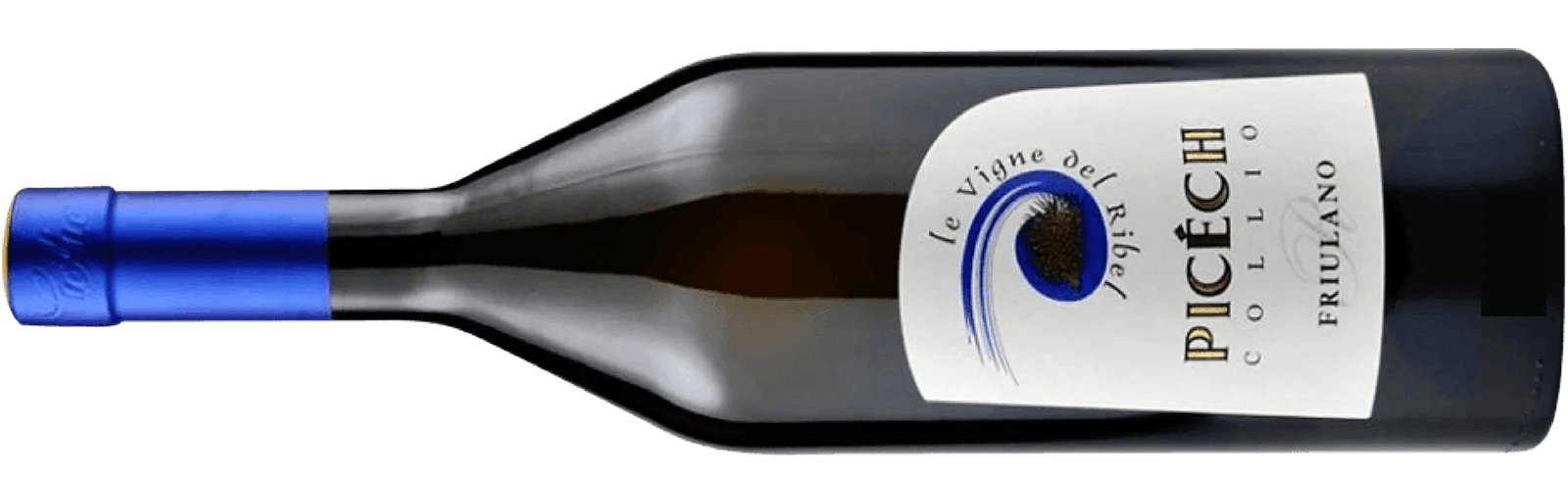
Golden yellow. A skin-fermented expression with beautiful aromas of ripe yellow apple, apricot, yellow currant and balsamic herbs. The palate is harmonious and layered, with delicious yellow fruit, balsamic complexity, light spice and fine tannins carrying through the long finish. A fantastic expression from an excellent vintage. Tasted October 2025. 94+ points.
Pighin Friulano 2019 Collio DOC — 93 points
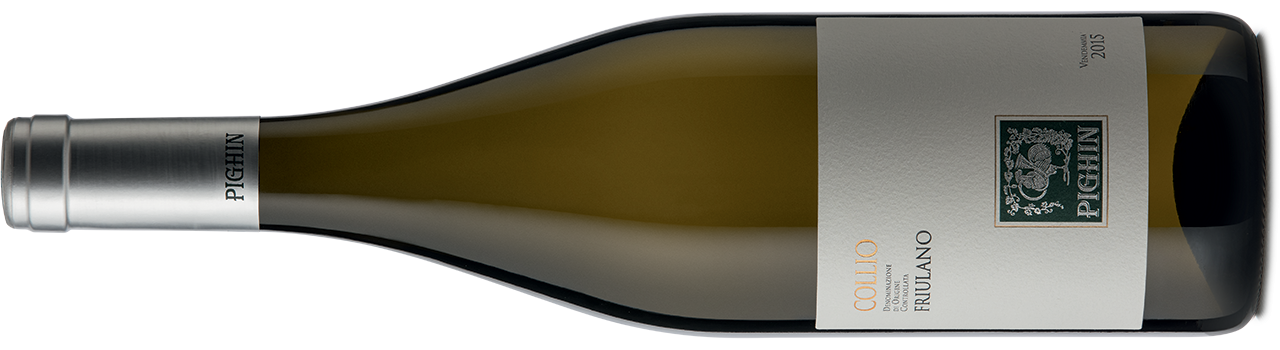
Rich golden yellow. Fragrant yellow apple, yellow currant and herbal notes lead into a palate of dried yellow fruit, savoury spice and floral tones. Everything comes together in delicious harmony. Tasted October 2025. 93 points.
Ronco Scagnet Friulano 2018 Collio DOC — 93 points
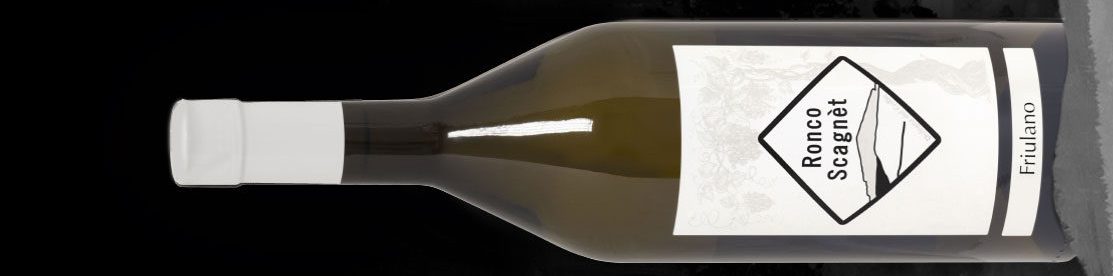
Light gold in colour. The nose shows spicy yellow fruit, floral and nutty tones, which carry through onto the palate. Harmonious and lightly tannic, with zippy citrus and impressive minerality persisting through the long finish. Tasted October 2025. 93 points.
Subida di Monte Friulano Fuart 2022 Collio DOC — 93+ points
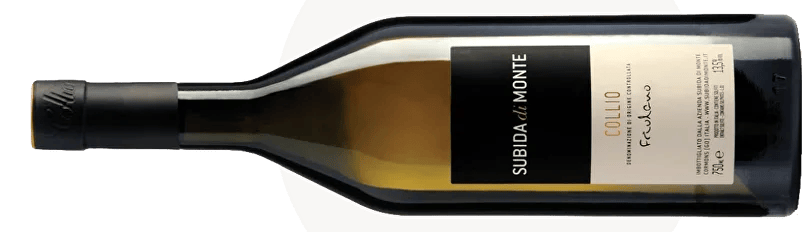
Light gold. Savoury orchard fruit, stone fruit, flint and floral notes create a very pretty aromatic profile. Harmonious, textural and refined. A standout expression of the 2022 vintage. Tasted October 2025. 93+ points.
Tenuta Stella Friulano 2016 Collio DOC — 95 points
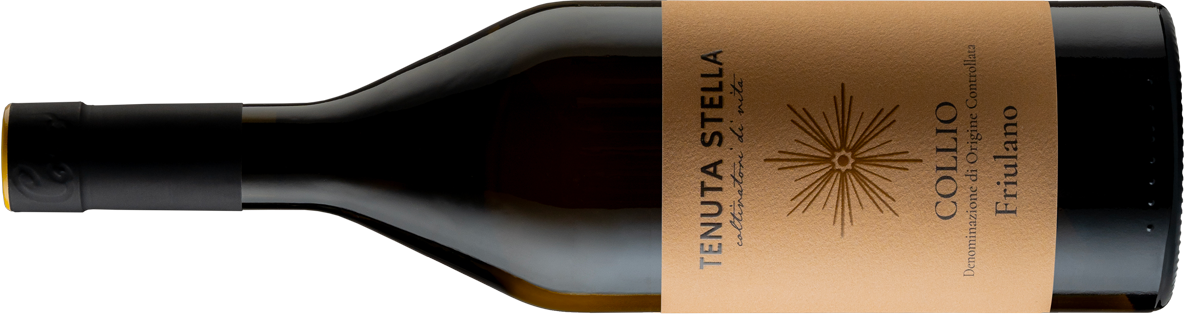
Rich golden yellow, with vibrant late-harvest yellow fruit, yellow currant and burnt sugar. The palate is delicious and beautifully evolved, showing creamy yet refreshing orchard fruit, honeysuckle and burnt sugar through the long finish. A distinctive and wonderfully crafted expression demonstrating the impressive medium-term cellaring potential of Collio Friulano. Tasted October 2025. 95 points.
Toros Friulano 2016 Collio DOC — 93 points
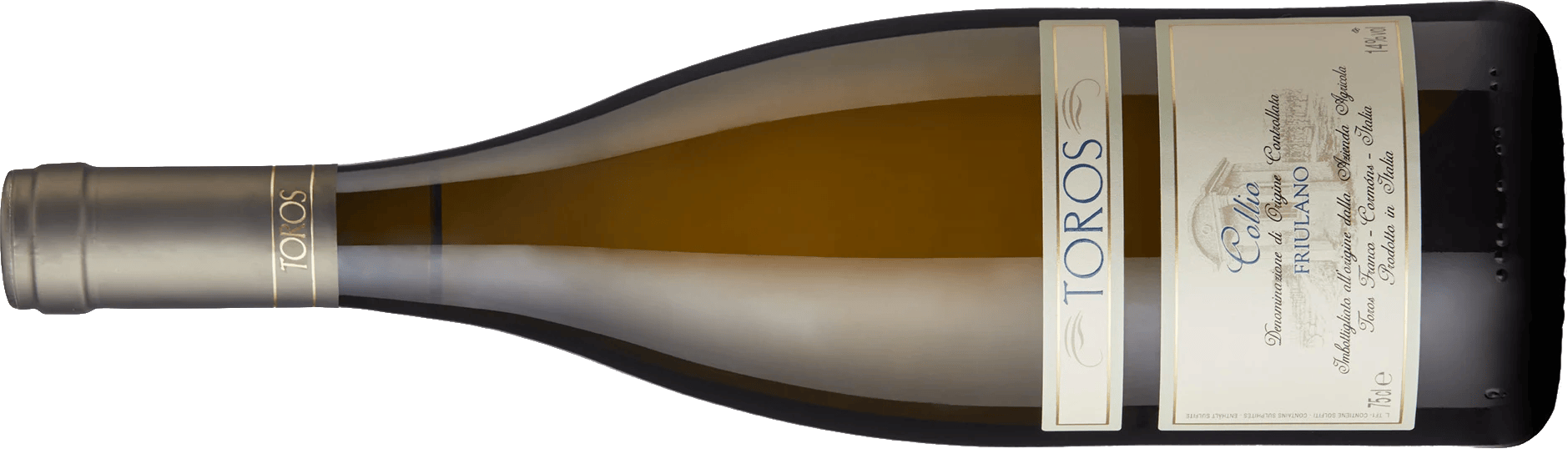
Golden yellow. Floral and savoury orchard fruit aromas lead into a refreshing palate with lively orchard fruit and spice. Balanced, expressive and still energetic approaching a decade in age. Tasted October 2025. 93 points.
Blazic Friulano Zegla 2019 Collio DOC — 95 points
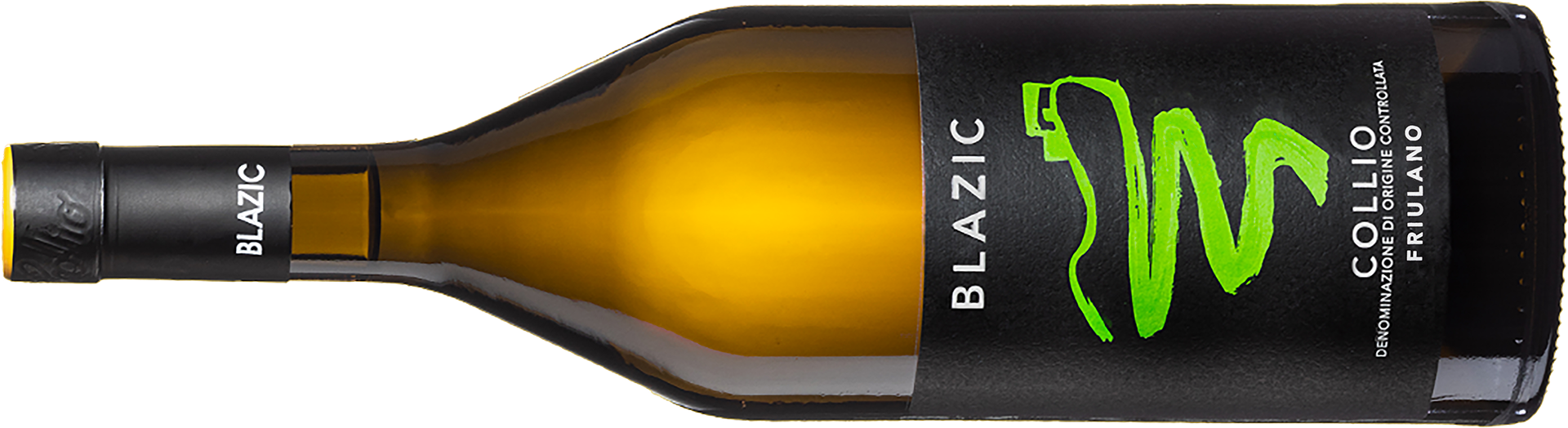
Golden yellow. Honeyed orchard fruit, citrus, yellow flowers, bruised orange, balsamic notes and salted caramel create a highly fragrant and complex aromatic profile. Expressive and layered, this wine appears to be in a beautiful window of evolution now. Enjoy over the next few years to take advantage of this sweet spot in its development. Tasted October 2025. 95 points.
Colle Duga Friulano 2016 Collio DOC — 94 points
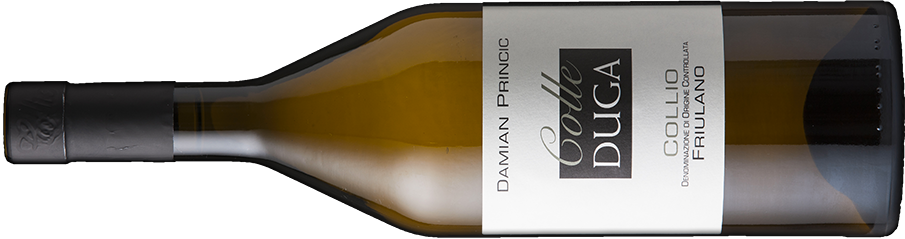
Light golden yellow. Floral notes, yellow apple, chamomile and yellow raisin lead into deliciously ripe orchard fruit, with yellow currant persisting through the long finish. Another excellent example of how well Collio Friulano can retain freshness and complexity approaching ten years from vintage. Tasted October 2025. 94 points.
Venica & Venica Friulano Ronco delle Cime 2012 Collio DOC — 96 points
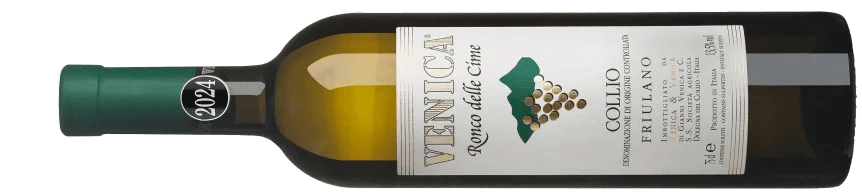
Golden yellow in colour, immediately showing its maturity. The nose reveals a remarkably complex bouquet of rich orchard fruit, yellow currant, apple pastry, beeswax and lanolin. The palate is creamy yet vibrant, with refreshing yellow fruit, spice and minerality leading into a lightly textured, persistent finish. An outstanding expression of aged Friulano. Tasted October 2025. 96 points.
What the Older Wines Revealed
Taken collectively, the mature wines told perhaps the most important story of the tasting. The 2015 and 2016 vintages were particularly impressive. At nine and ten years from vintage, many of these wines remained remarkably vibrant. More importantly, they did not taste simply preserved. They tasted evolved.
The Raccaro 2016, Muzic Valeris 2015 and Tenuta Stella 2016 were particularly exciting, each earning 95 points while offering three very different expressions of mature Friulano. The Raccaro was elegant and poised, its rich yellow fruit energized by refreshing acidity.
Muzic’s Valeris was wonderfully expressive and energetic, bringing honeysuckle, orchard fruit and spice together in a wine that seemed to be benefiting enormously from its decade of evolution.
Tenuta Stella offered something different again: richer late-harvest fruit, yellow currant, honeysuckle and burnt sugar wrapped around a creamy but still refreshing core.
The Komjanc Alessio 2016, Colle Duga 2016 and Toros 2016 added further evidence. Different producers. Different vineyards. Different stylistic interpretations. Yet, repeatedly, the same theme emerged.
At close to a decade from vintage, the wines retained freshness and energy while gaining complexity, texture and harmony. That is an important observation because it suggests that ten years should not necessarily be viewed as the outer limit for premium Collio Friulano.
For some wines, it may represent a sweet spot. And then there was the 2012 Venica & Venica.
Thirteen Years Old — and Thriving
The Venica & Venica Ronco delle Cime Friulano 2012 provided perhaps the most striking demonstration of the variety’s longevity. At thirteen years from vintage, its golden colour immediately suggested maturity. Then came the aromatics. Rich orchard fruit, yellow currants, apple pastry, beeswax and lanolin created a deeply complex bouquet that could only have emerged through extended bottle development. Yet what made the wine exceptional was what happened on the palate. It was creamy but vibrant. There was mature fruit, but also freshness. There was richness, but also spice and minerality. Age had not diminished the wine. It had added another dimension. I scored it 96 points.
More importantly, the wine provided a particularly convincing answer to the question of whether Friulano can truly age. At thirteen years old, it was not simply intact. It was thriving.
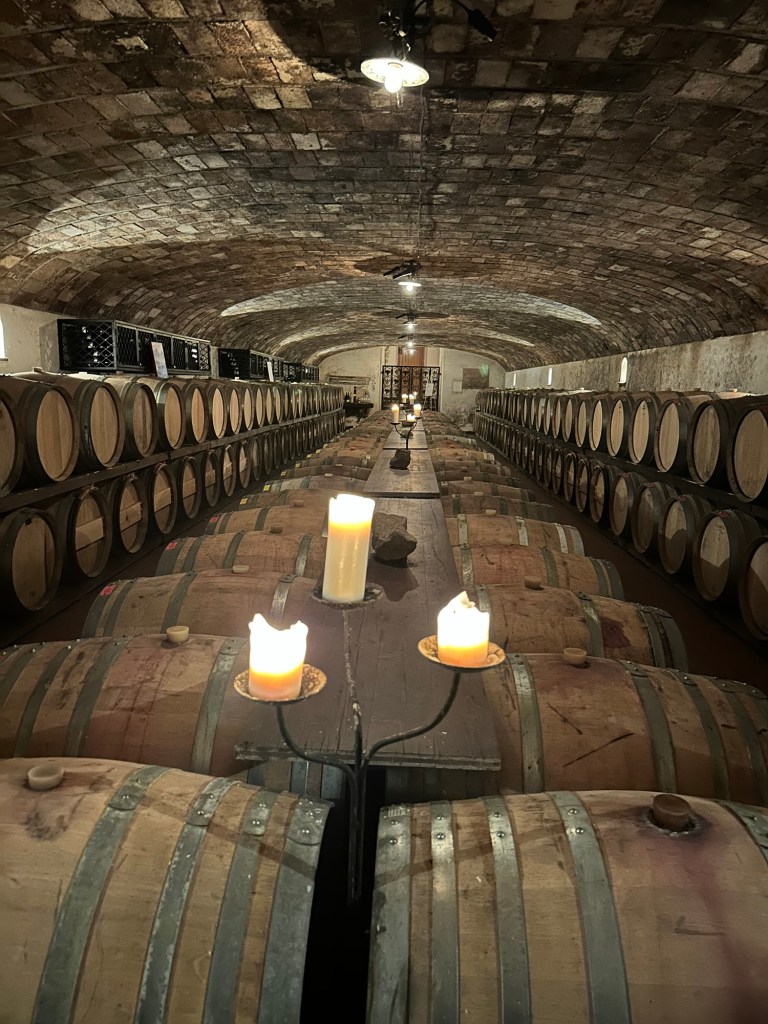
Venica & Venica itself identifies Ronco delle Cime as a wine with an aging potential exceeding ten years, and the estate’s archive includes historic vintages of the wine. For collectors and adventurous wine enthusiasts, there is considerable reward in allowing the best expressions of Collio Friulano to develop.
Aging as an Expression of Place
What was perhaps most fascinating about tasting these older wines side by side was that maturity did not erase their individual personalities. If anything, bottle age appeared to make some of those differences more obvious. Some wines became honeyed and rich. Others emphasized balsamic herbs, dried yellow fruit or spice. Some developed brioche, beeswax or pastry notes. Others remained comparatively linear and mineral. Textures ranged from taut and energetic to creamy and expansive.
What united the most successful wines was balance. Fruit, acidity, texture, phenolics and minerality had settled into harmony. This is also where Collio’s distinctive terroir becomes particularly relevant.
Ageability is never simply a property of a grape variety. It emerges through the interaction of variety, vineyard, soil, exposure, vintage, yields, harvest decisions and winemaking. And that makes mature Friulano particularly useful for understanding Collio. A young wine tells us immediately about fruit and freshness. An older wine begins to reveal something more fundamental about structure.
Past, Present and Future
That intersection between history and evolution helps explain why Friulano was such an appropriate subject for the first Collio Evolution. The Consorzio deliberately framed the inaugural edition around the past, present and future of Friulano, with subsequent editions intended to place different Collio varieties in the spotlight. That framing seems particularly appropriate because Collio itself continues to evolve.
Different producers are exploring different interpretations of Friulano. Some favour exceptionally clean, precise and mineral expressions. Others pursue longer lees ageing or greater textural development. Some employ skin contact, as seen in wines such as Picech’s Athena. Others continue to work within more traditional interpretations of the variety.
Friulano also remains important within the broader language of Collio Bianco, where it can interact with varieties such as Ribolla Gialla and Malvasia Istriana. Yet none of these developments requires abandoning tradition. That is perhaps the larger message behind Friulano today. The grape has already survived changing borders, political regimes, winemaking fashions and even the loss of the name by which generations knew it.
Its historical origins may be more complicated than the word “indigenous” sometimes implies, but after generations in these hills its connection to Collio is no longer merely agricultural. It is cultural.
And that is why Friulano can feel so completely native to Collio even when its ampelographic history tells a more complicated story. The older wines at Collio Evolution added another important dimension to that relationship. They demonstrated that Friulano is not simply capable of representing Collio when young.
Given time, it can reveal another side entirely, more savoury, textural, complex and contemplative, yet still recognizably connected to the grape and the hills from which it came.
From a fresh young Friulano poured alongside the foods of Friuli to a single-vineyard wine still thriving thirteen years after harvest, the variety occupies an unusually broad spectrum. It can be familiar and profound at the same time.
Choosing it to launch Collio Evolution therefore felt less like selecting the first grape in a rotating series than making a statement about what Collio considers important.
Before looking toward the future, start with the variety that has helped define the region’s past.
Start with Friulano.
Cheers!
Matt Steeves
Matt Steeves is a wine writer, on-air Sommelier (TV and radio), and international wine judge. Follow his tasting notes and wine adventures at www.quercusvino.ca.

Discover more from Quercus Vino
Subscribe to get the latest posts sent to your email.


Leave a Reply