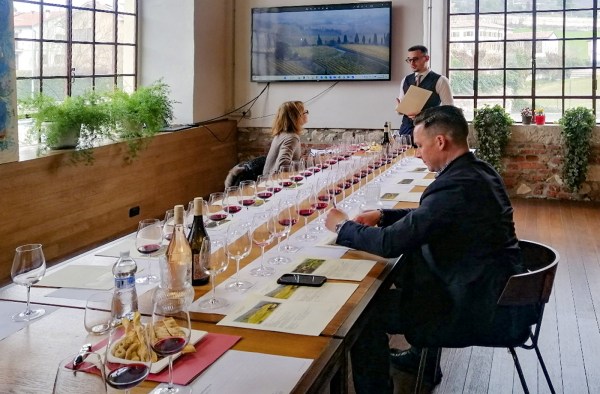
That intersection between history and evolution helps explain why Friulano was such an appropriate subject for the first Collio Evolution. The Consorzio deliberately framed the inaugural edition around the past, present and future of Friulano, with subsequent editions intended to place different Collio varieties in the spotlight. That framing seems particularly appropriate because Collio itself continues to evolve. There are grapes that belong to a place because they are widely planted. Others become inseparable from a region because, over generations, they come to express something deeper about its landscape, traditions and people. In Collio, that grape is Friulano. Friulano may not be indigenous to Collio in the strict ampelographic sense, but few grapes are more culturally indigenous to a place. Over generations, it has become woven into the identity of Collio: grown across its hillsides, poured in local osterie, embraced by many of the denomination’s leading estates and interpreted in styles ranging from bright and immediately approachable to concentrated, site-specific wines capable of developing beautifully for well over a decade. The Consorzio Tutela Vini Collio describes Friulano as a wine of tradition and a symbol of the denomination’s identity and history. Today it represents approximately 15% of Collio production, although its importance to the region extends far beyond those numbers. That made it an obvious choice to take centre stage at the inaugural Collio Evolution, held October 26 and 27, 2025. The new annual event was conceived as an exploration of the past, present and future of Collio, with a different grape variety taking the spotlight each year. For its first edition, organizers chose Friulano, the Consorzio calling it the wine of tradition and one of the most representative symbols of Collio’s identity and history. It was a fitting choice because understanding Friulano is, in many ways, essential to understanding Collio itself. Different producers are exploring different interpretations of Friulano. Some favour exceptionally clean, precise and mineral expressions. Others pursue longer lees ageing or greater textural development. Some employ skin contact, as seen in wines such as Picech’s Athena. Others continue to work within more traditional interpretations of the variety. Friulano also remains important within the broader language of Collio Bianco, where it can interact with varieties such as Ribolla Gialla and Malvasia Istriana. Yet none of these developments requires abandoning tradition. That is perhaps the larger message behind Friulano today. The grape has already survived changing borders, political regimes, winemaking fashions and even the loss of the name by which generations knew it. Its historical origins may be more complicated than the word “indigenous” sometimes implies, but after generations in these hills its connection to Collio is no longer merely agricultural. It is cultural. And that is why Friulano can feel so completely native to Collio even when its ampelographic history tells a more complicated story. The older wines at Collio Evolution added another important dimension to that relationship. They demonstrated that Friulano is not simply capable of representing Collio when young. Given time, it can reveal another side entirely, more savoury, textural, complex and contemplative, yet still recognizably connected to the grape and the hills from which it came. From a fresh young Friulano poured alongside the foods of Friuli to a single-vineyard wine still thriving thirteen years after harvest, the variety occupies an unusually broad spectrum. It can be familiar and profound at the same time. Choosing it to launch Collio Evolution therefore felt less like selecting the first grape in a rotating series than making a statement about what Collio considers important. Before looking toward the future, start with the variety that has helped define the region’s past. Start with Friulano. Cheers!
Italy’s best white wines which you’ve probably never heard of…
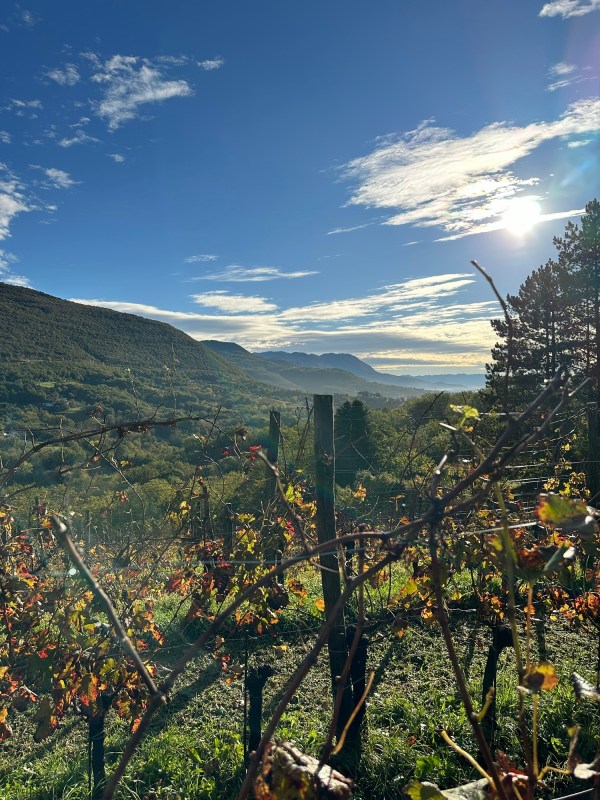
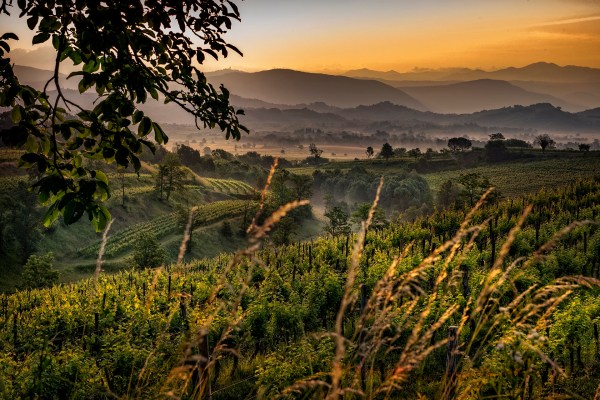
When wine lovers think of Italian viticulture, it’s often the iconic reds that spring to mind—Barolo, Brunello, Amarone—names synonymous with gravitas and longevity. And when they think of Italian whites, the selection tends to be narrower: the crisp friendliness of Pinot Grigio, the celebratory charm of Prosecco. But for those willing to step off the beaten path, Italy offers a treasure trove of white wines of astounding depth and finesse—nowhere more so than in the Collio DOC. Tucked into Italy’s northeast, along the Slovenian border in Friuli Venezia Giulia, Collio is a hilly, sun-soaked amphitheatre of rolling vineyards, ancient soils, and quietly ambitious producers. Here, terroir is king, tradition runs deep, and white wine—yes, white wine—is a serious art form. Known for its structured, mineral-driven whites with age-worthy potential, Collio offers a far broader and more profound expression of Italian white wine than most consumers ever get to see. The very name Collio comes from colli, Italian for hills—and hills dominate this landscape. Vineyards must be planted on slopes to carry the DOC designation, maximizing sun exposure and drainage while capturing the cool night air that helps grapes retain their acidity. But it’s the soil that truly defines this place: Ponca, a friable marl and sandstone matrix layered over eons, infuses Collio wines with a signature minerality and tactile tension. Add to that a microclimate shaped by the Julian Alps to the north and the Adriatic Sea to the south, and you have the perfect recipe for complexity and elegance: warm, dry days that encourage ripeness; cool nights that lock in freshness; and winds that keep vineyards healthy and vibrant. This article highlights why you should seek out Collio DOC wines when you can.
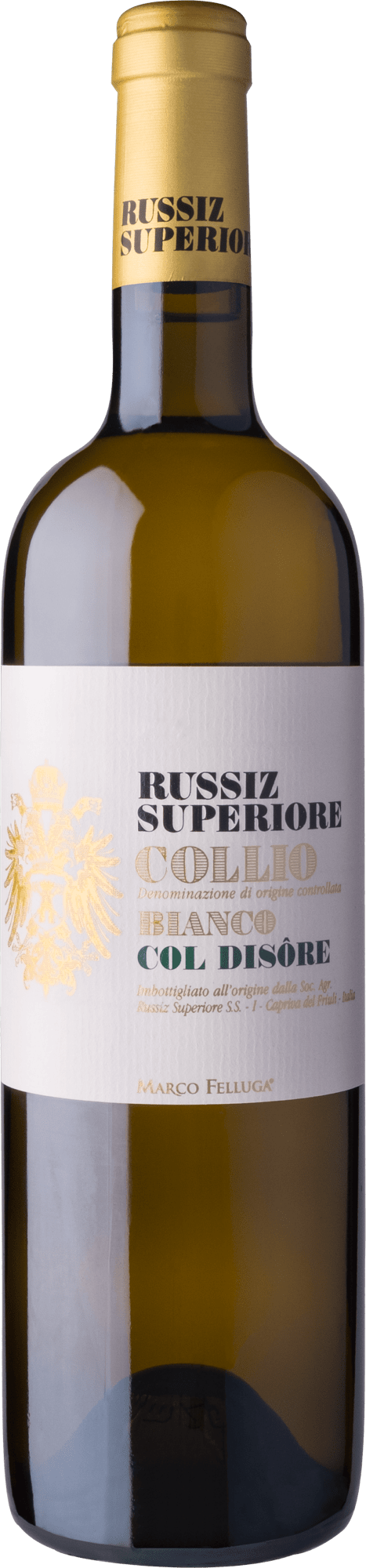
wine review: Marco Felluga Russiz Superiore Collio Bianco Col Disôre 2017
Ottawa, ON January 2025 Matt’s review: Marco Felluga Russiz Superiore Collio Bianco Col Disôre 2017 - A Gem from Collio DOC Nestled in the picturesque hills of Collio DOC in Italy, Russiz Superiore Collio Bianco Col Disôre by renowned producer Marco Felluga is a stunning representation of the region’s rich viticultural heritage. Drawing its name... Continue Reading →
wine review: Les Jamelles Sauvignon Blanc 2022, Pays d’Oc, France
For those who seek a value-priced Sauvignon Blanc that strays from the often typical herbaceous profile, Les Jamelles Sauvignon Blanc is a must try. Light to medium body, the palate is greeted with a delightful medley of exotic fruits, complemented by a hint of lemongrass and a crisp citrus edge. The subtle salinity adds an intriguing layer, persisting through the clean and refreshing finish. This Sauvignon Blanc is versatile and food-friendly, making it an ideal companion for various occasions. Whether you're lounging poolside on a warm summer day, enjoying light seafood dishes, or savoring mildly spicy takeout, this wine enhances the experience with its appealing and accessible style. Even those who typically shy away from Sauvignon Blanc may find themselves charmed by its refreshing and well-rounded nature, with its subtle herbaceous notes providing just enough aromatic and flavour complexity to keep things interesting. Tasted August 2024. 88 points - Matt Steeves - http://www.quercusvino.ca
Top scoring wines you’ll want to try in 2024…
After tasting hundreds of wines, here's my short list of most memorable wines tasted in 2023. Put these on your must-try list for 2024!
93 pts wine review: 2022 Rottensteiner Sauvignon Alto Adige DOC
Matt's review: Rottensteiner Sauvignon Blanc 2022 from Bolzano, Italy. An outstanding expression of mountain influence Sauvignon Blanc from the Alto Adige DOC in northern Italy. It's the 2022 Sauvignon Blanc from the renowned Bolzano-based family winery, Rottensteiner, who's family name translates to 'Red Rock', just like the Bozen quartz porphyry red mountains throughout Alto Adige/South Tyrol. Grapes are... Continue Reading →
wine review: Hidden Bench
First impressions of this single vineyard Sauvignon Blanc from @hiddenbench … wow! Béton (as in concrete vessel fermented and aged) and sourced from the Rosomel Vineyard on Ontario’s Beamsville Bench. Expressive, lovely lemon grass, pear, lemon meringue, floral, flinty minerality, and superbly balanced. Certified organic, and absolutely delicious! Bravo @hiddenbench ! Tasted August 2023. 93 points. Matt Steeves - http://www.quercusvino.ca
Impress the In-laws this Holiday Season – Sommelier Matt Steeves’ recommendations for holiday cheer – as seen on CTV Morning Live Regina
Today on CTV Morning Live Regina, CTVs Brit Dort, and Sommelier Matt Steeves showcased some great wines and spirits which are sure to impress the in-laws this holiday season. Wines that will suit every palate and budget, including white, red, bubbly, and some spirits too.
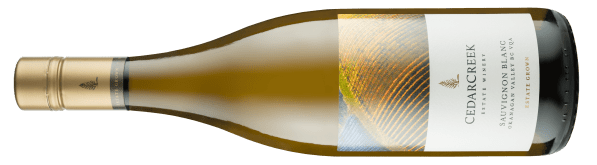
wine review: CedarCreek Sauvignon Blanc 2020
Ottawa, ON November 2021 Matt's review; Fresh and fragrant, this Okanagan Sauvignon Blanc shows crisp citrus, freshly squeezed lime, sweet lemon grass, and great minerality. A beautiful expression of fine Okanagan Sauvignon Blanc. Enjoy with aged cheddar, creamy herb chicken, and spicy Asian cuisine. Tasted November 2020. 90 points. Matt Steeves - http://www.quercusvino.ca Available winery... Continue Reading →
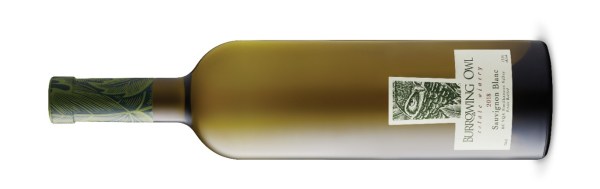
92 points wine review: Burrowing Owl 2019 Sauvignon Blanc BC VQA Similkameen Valley – available at LCBO in April 2021…
Ottawa, ON March 2021 Matt's review: Burrowing Owl's 2019 Sauvignon Blanc is sourced from their Keremeos vineyard in the Similkameen Valley. A blend of 91% Sauvignon Blanc and 9% Semillon, where a third was barrel fermented to provide additional weight and textural complexity. The nose shows sweet passionfruit, gooseberry, lemongrass, lime zest, and flinty minerality.... Continue Reading →